
Last updated October 15, 2026
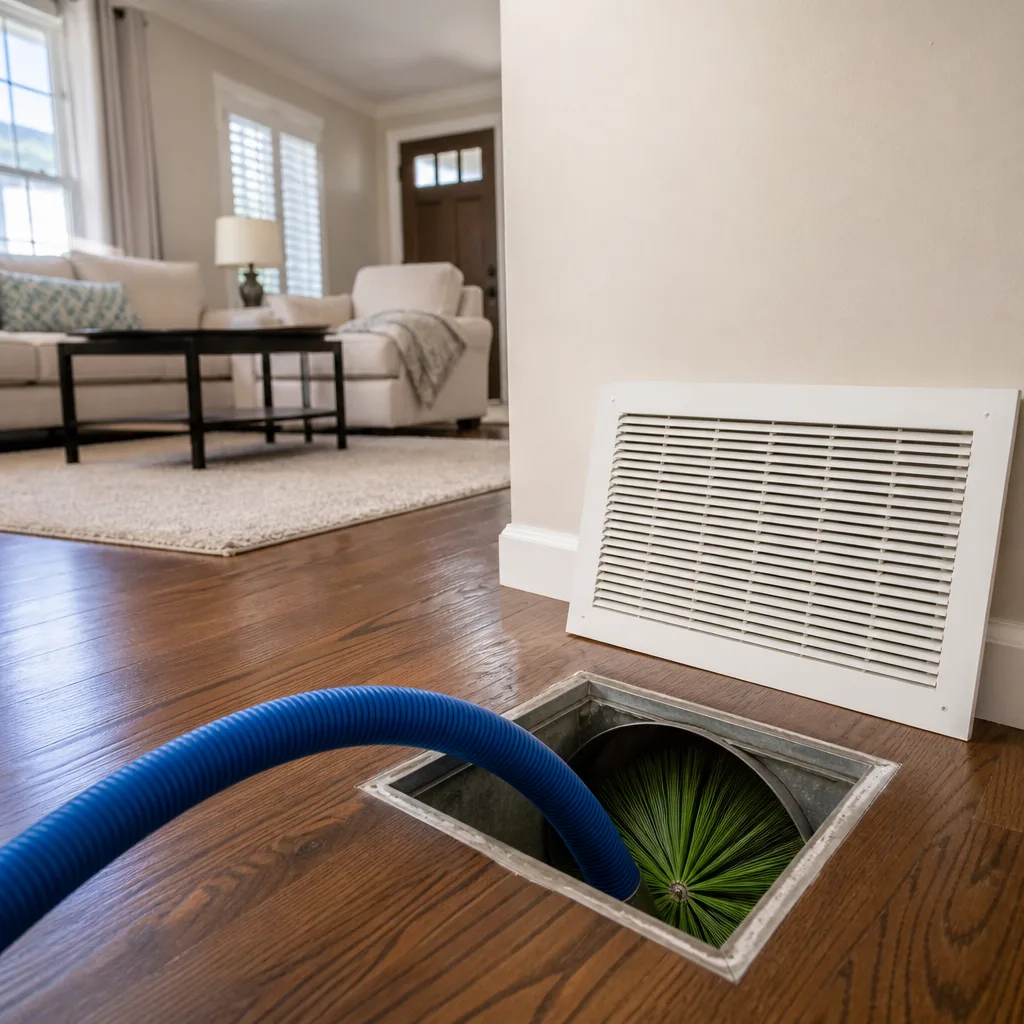 Whole-home duct cleaning
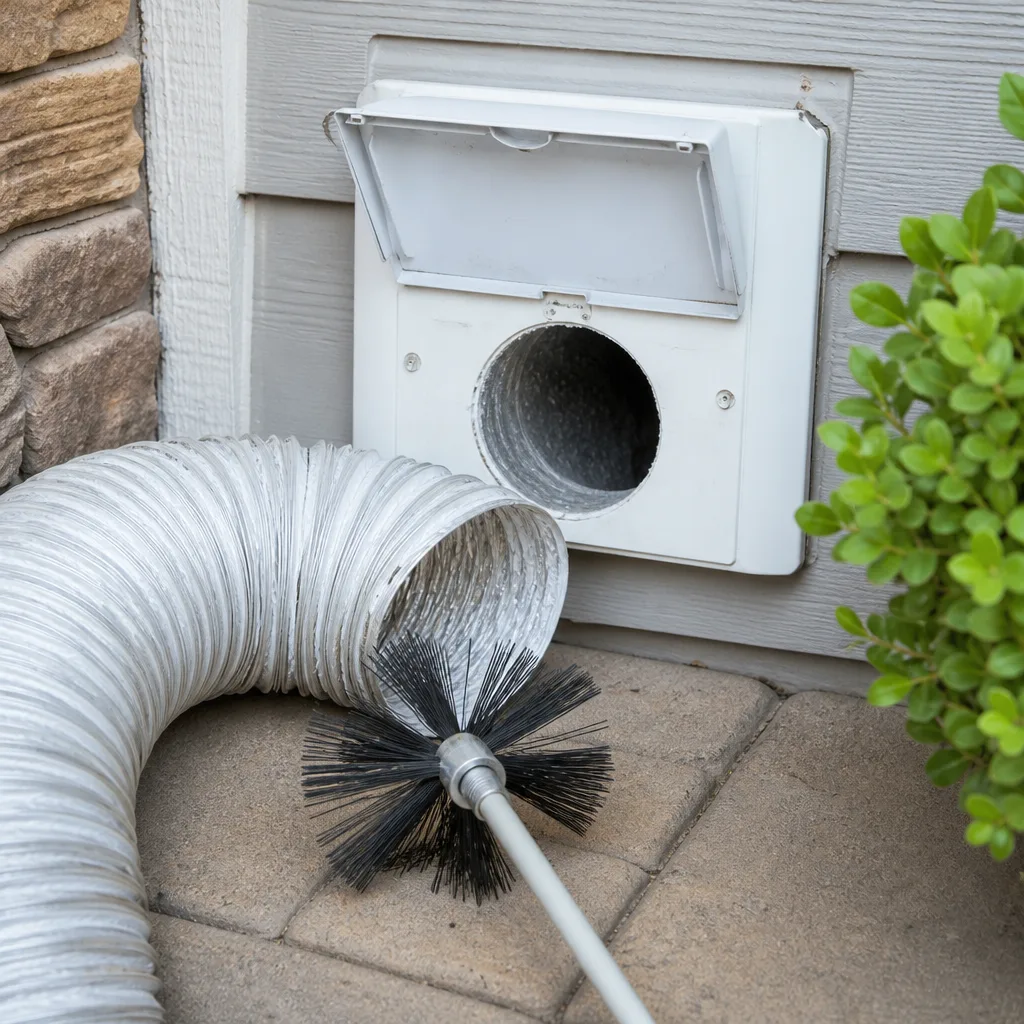 Dryer vent cleaning
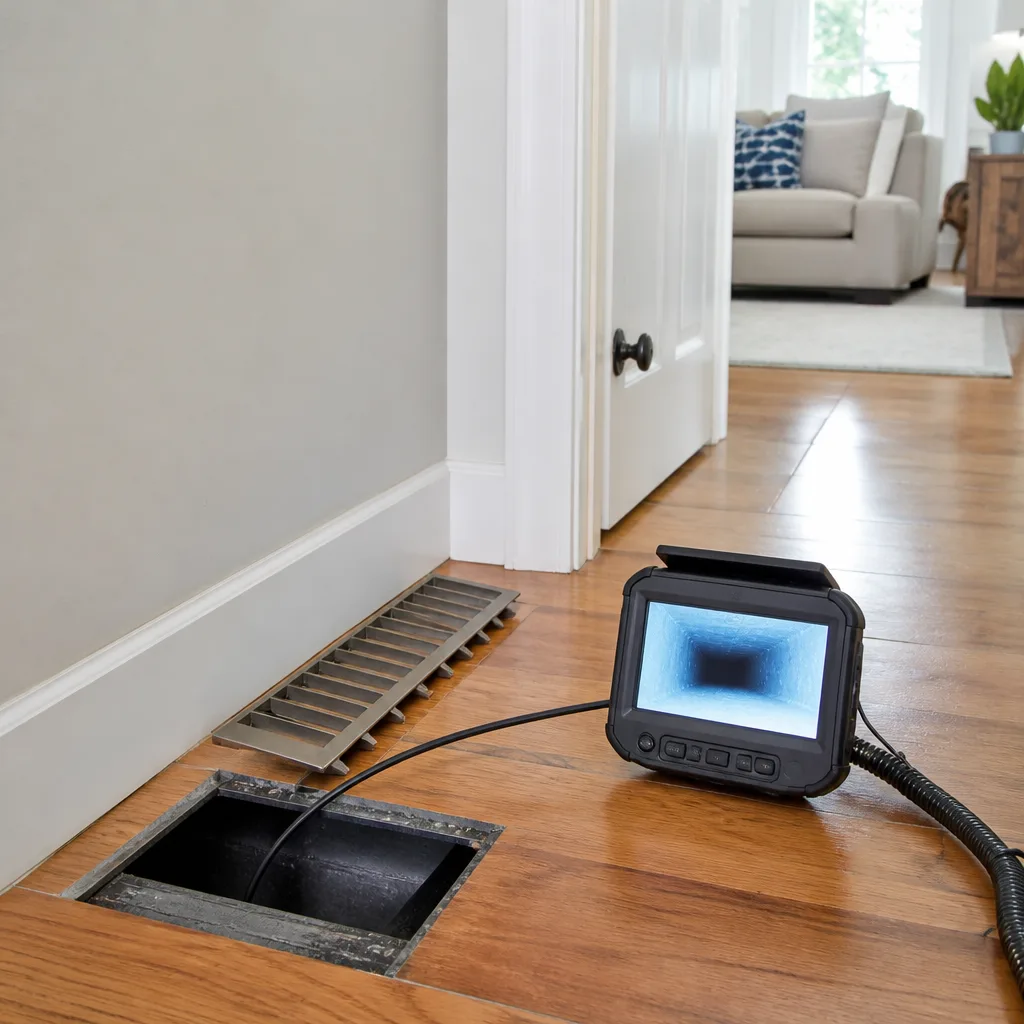 Camera inspection
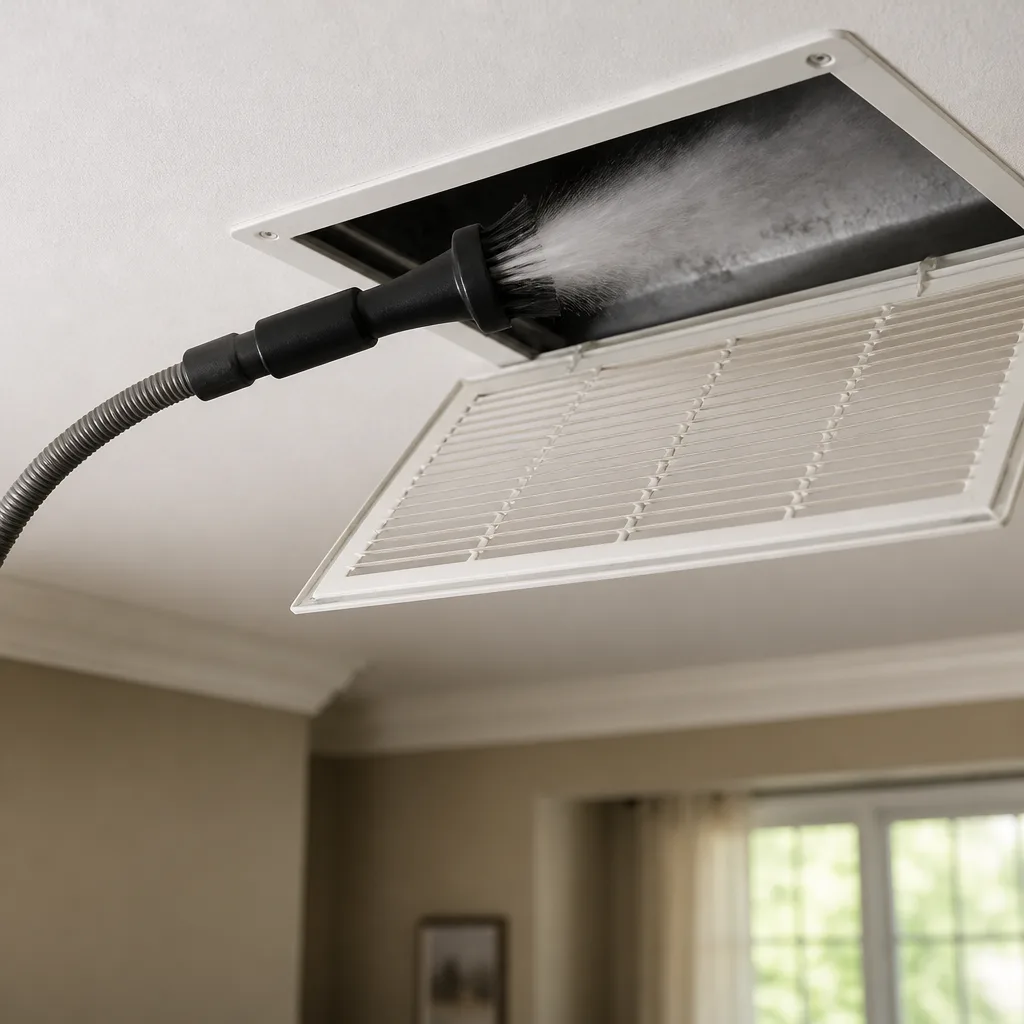 Sanitizing & deodorizing
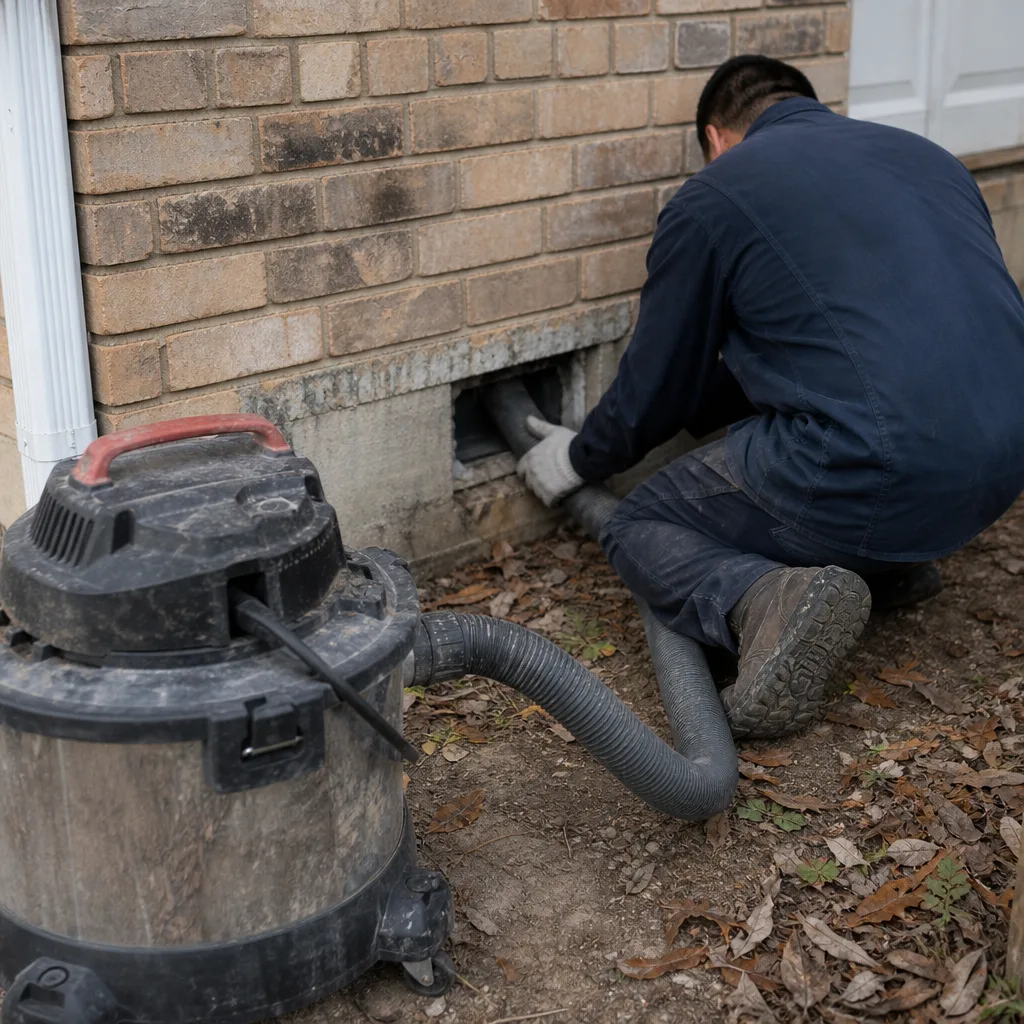
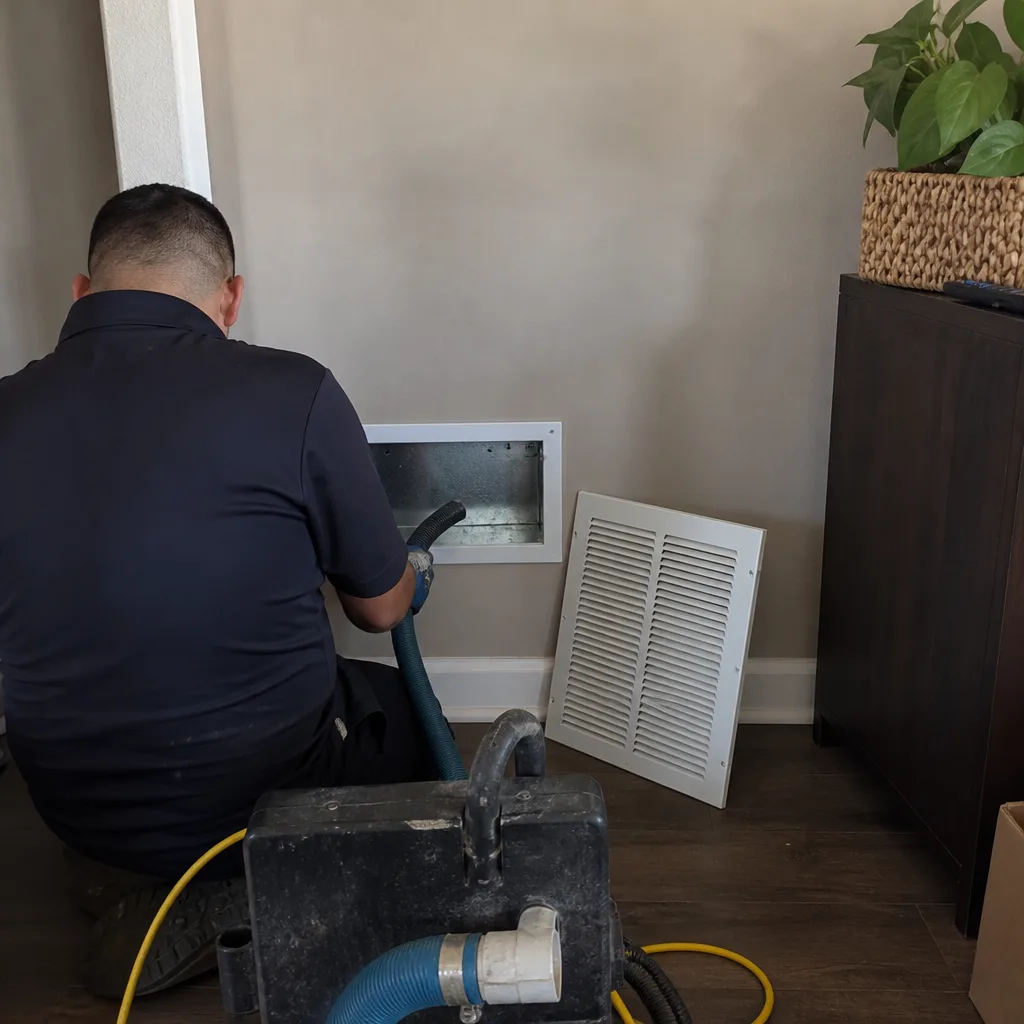
Whole-system duct and dryer vent check with before-and-after photos - you see exactly what came out of your vents
That "$99 whole-house special" is a bait ad - the real number appears once they are in your hallway, or the "clean" is a shop-vac at the register. We photograph the inside of your ducts before and after instead.
Seasonal Air Duct Cleaning Care for Houston: Year-Round Homeowner’s Guide
Houston’s HVAC systems run nearly year-round, but the city doesn’t experience seasons the way a national duct-cleaning checklist assumes. A generic spring-summer-fall-winter guide fails here because Houston actually cycles through four distinct stress periods: the pre-cooling pollen window, the nine-month cooling marathon, hurricane and tropical storm season, and a brief winter heating shift. Homeowners in Memorial, the Heights, Katy, and Sugar Land deal with humidity, pollen, and storm debris in ways someone in Chicago or Phoenix never will. This guide maps duct care to Houston’s actual calendar, so you know exactly when to clean, inspect, and adjust your system. For more guides & resources on Houston-specific home maintenance, visit our blog. By the end, you’ll know the four dates to put on your wall calendar and what each one protects.
Quick Answer
Houston homeowners should schedule professional Air Duct Cleaning services once in late February or early March, before cooling season begins, and again after hurricane season wraps in November if storms brought debris or moisture into the system. Between those cleanings, change return filters on a Houston-specific schedule that tightens during oak and cedar pollen peaks, and inspect ductwork after any tropical storm. A year-round Houston duct care plan has four anchor dates: pre-cooling (late February), peak pollen (late March), post-storm (late November), and winter heat-up (early December).
Styles & brands we work with
Table of Contents
- Why Houston’s HVAC Calendar Defies the Standard Four-Season Guide
- Pre-Cooling Season (February – March): The Most Important Cleaning Window
- Allergy Overlap Season (March – May): Pollen, Filters, and Return Ducts
- Hurricane and Tropical Storm Season (June – November): Post-Storm Duct Inspection
- The Brief Houston Winter (December – January): Furnace Dust and Heat Cycling
- How to Build a Houston-Specific Duct Care Wall Calendar
- Houston Filter Guide: MERV Ratings and Replacement Cadence by Season
- Common Mistakes to Avoid
- When to Call a Professional
- Frequently Asked Questions
- The Bottom Line
Why Houston’s HVAC Calendar Defies the Standard Four-Season Guide
Most duct-cleaning advice online assumes a temperate climate with four equal seasons and a furnace that runs for months. Houston’s reality is different. The city’s HVAC systems run in cooling mode for roughly nine months out of the year, which means your ductwork sees continuous, high-volume airflow for the majority of the calendar. That’s not a minor detail. It means dust, pet dander, and pollen accumulate in return ducts at a rate that surprises homeowners who moved here from drier or cooler regions. In our experience cleaning homes across Houston, a system in the Heights or Spring Branch that hasn’t been cleaned in three years will often show accumulation patterns that would take five or six years to develop in a milder climate.
Humidity compounds the issue. Houston’s average relative humidity sits above 70 percent for much of the year, and that moisture interacts with whatever is already inside your ducts. Dust that would stay dry and loose in Phoenix becomes slightly tacky in Houston, adhering to duct walls and return registers. This is why periodic professional air duct cleaning in Houston matters more here than in many other markets. The environment actively works against a neglected system.
Then there’s the storm factor. No generic national guide tells you to inspect your ductwork after a tropical storm, but Houston homeowners who’ve lived through Harvey, Imelda, or Beryl know that high winds and heavy rain can dislodge flex duct connections, push debris into external vents, and introduce moisture where it doesn’t belong. A year-round plan for this city has to account for weather events that simply don’t exist elsewhere.
So instead of four seasons, think of Houston as having four HVAC stress periods: the pre-cooling pollen window, the long cooling season with allergy overlaps, hurricane season, and a short winter heating stretch. Each one asks something different of your ductwork, and each one has a different maintenance response.
Pre-Cooling Season (February – March): The Most Important Cleaning Window
The single most valuable duct cleaning you can schedule in Houston happens in late February or early March, before your AC begins its nine-month run. Here’s why: everything that accumulated in your ducts during the previous cooling season, plus whatever settled during the brief winter when the system cycled less, will be pushed into your living space the moment cooling ramps back up. If you clean before that ramp-up, you start the long Houston cooling season with a clear system. If you wait until May or June, you’ve already spent weeks circulating whatever was sitting in those ducts.
February and March are also when Houston’s pollen counts begin climbing. Oak pollen typically peaks in March, and cedar pollen can spike as early as January. When your AC kicks on for the first sustained stretch and pulls air through return ducts that haven’t been cleaned, it draws pollen that accumulated in vents and registers directly into the airflow. Homes with kids or pets feel this most acutely, because pet hair and dander mix with pollen to create a heavier particulate load.
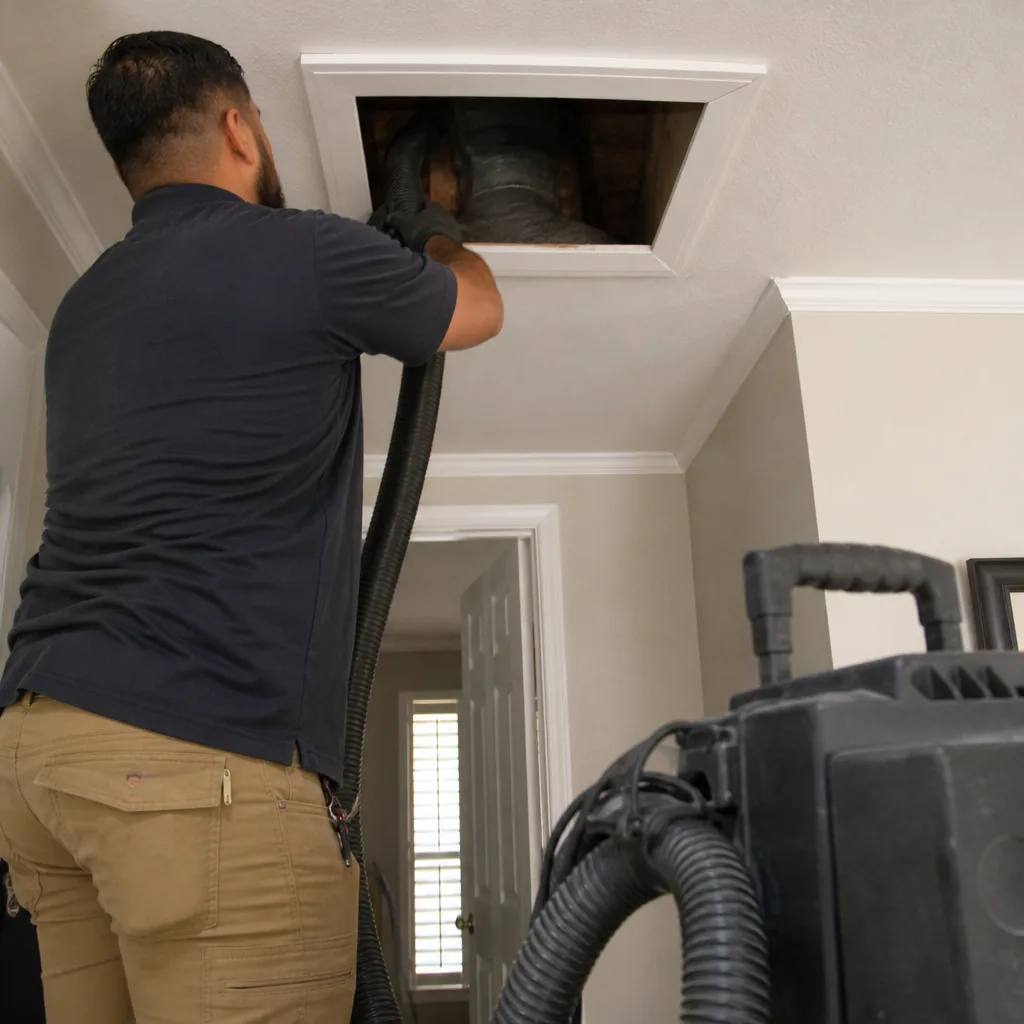
What should a pre-cooling season cleaning include? A thorough professional service should address the full return and supply duct network, not just the visible registers. At Morton’s Air Duct Cleaning, our technicians use equipment from Rotobrush and Nikro to agitate and extract debris from the full length of duct runs, not just the first few feet visible from a vent. That matters in Houston, where long flex duct runs in attic spaces collect dust differently than rigid metal ducts in cooler climates.
Pre-cooling season checklist for Houston homeowners:
- Schedule professional duct cleaning for late February or early March, before sustained AC use begins.
- Replace the HVAC return filter with a fresh one rated MERV 8 or higher; if allergy sufferers live in the home, consider MERV 11 for the spring window.
- Clear debris from around outdoor condenser units and external vent openings, especially after winter winds.
- Check visible supply registers for dust accumulation; if registers show buildup, the ducts behind them almost certainly do too.
- Inspect attic flex duct connections visually or have them checked during the cleaning visit; Houston’s heat and humidity deteriorate flex duct faster than many homeowners expect.
Allergy Overlap Season (March – May): Pollen, Filters, and Return Ducts
The week after Houston’s cedar and oak pollen peak in March, HVAC return filters in Memorial and Heights homes can look like they’ve been in service for three months, even if they were replaced two weeks earlier. Houston’s pollen loads are among the highest in the country, and your return duct system is the first place that pollen shows up. When outdoor air enters your home through windows, doors, and the natural leakage every house has, it gets pulled through return registers and into the ductwork. Pollen particles are large enough to get caught in filters, but only if the filter is clean enough to do its job. A clogged filter stops capturing pollen and instead restricts airflow, which makes your system work harder and pull unfiltered air through gaps around the filter frame.
During peak pollen weeks, what should change? First, check your return filter every two weeks instead of monthly. In many Houston homes, a filter that would last 90 days in January will be fully loaded by the end of March. Second, consider stepping up to a MERV 11 or MERV 13 filter during April and May if anyone in the home has seasonal allergies. Higher MERV ratings capture smaller particles, including finer pollen fractions and mold spores that thrive in Houston’s humidity. Just be aware that higher-MERV filters can restrict airflow on older systems; if you hear your system straining or notice reduced airflow from supply vents, step back down and consult a technician.
There’s another factor many Houston homeowners miss: pollen settles inside return ducts even when filters are changed regularly. The return side of your system runs at negative pressure, which means it pulls air from every room in the house. Any pollen, dust, or pet dander in the air passes through return registers before it ever reaches the filter. Over time, a portion of that particulate load settles onto duct walls and register interiors. That’s why even diligent filter replacement doesn’t eliminate the need for periodic professional Mortons Air Duct Houston home cleaning. Filters capture what’s in the airstream; duct cleaning removes what has already accumulated on surfaces.
For homes with pets, the spring allergy overlap is especially difficult. Pet dander is sticky by nature, and when it combines with Houston’s humidity and heavy pollen, it creates a film inside return ducts that captures even more particulate matter. Homes with multiple pets or larger dogs often need spring cleaning more urgently than pet-free homes.
Hurricane and Tropical Storm Season (June – November): Post-Storm Duct Inspection
Houston’s hurricane season runs from June through November, and every significant storm brings the same question: did anything get into my ductwork? The answer depends on your home’s construction, the storm’s severity, and whether flooding or high winds affected your property. But there are specific things to check after any tropical storm or hurricane passes through the Houston area.
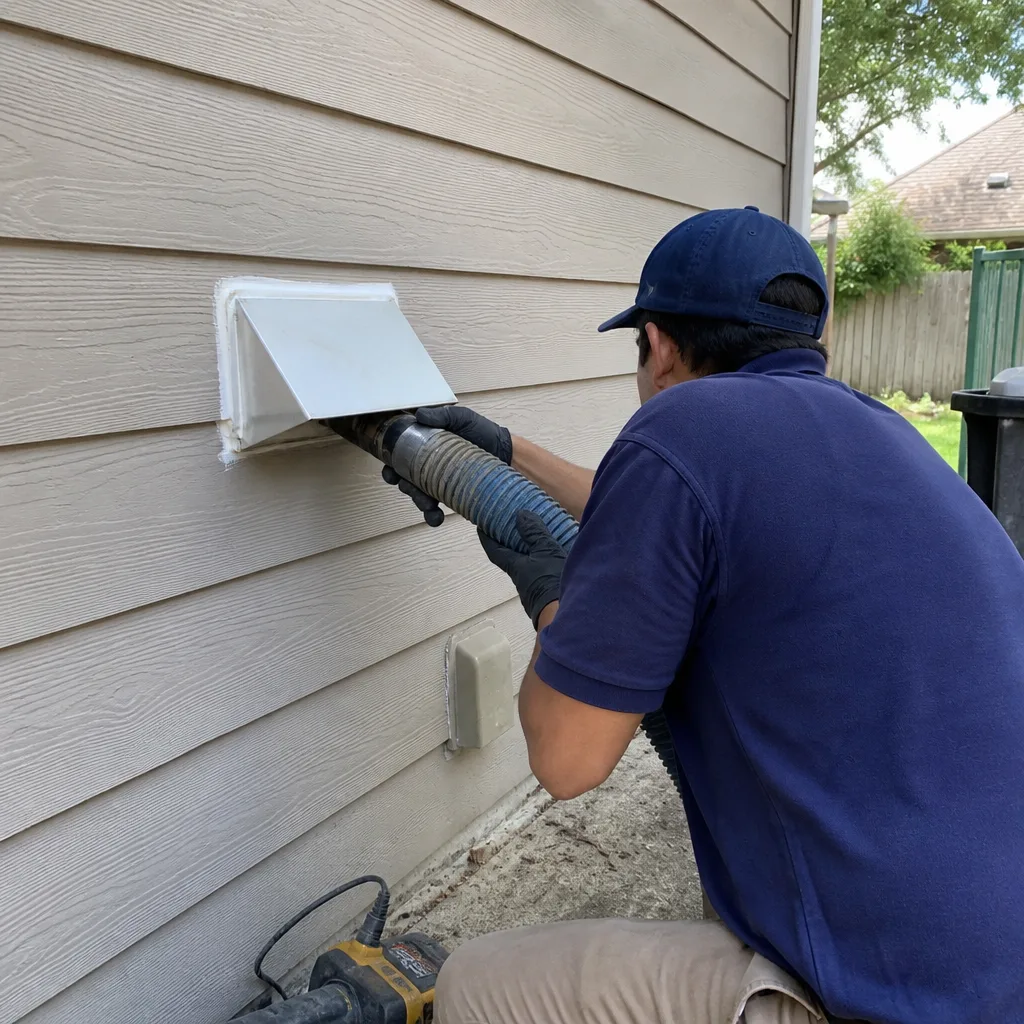
First, external vents. High winds can force leaves, twigs, and even small debris into dryer vents, bathroom exhaust vents, and HVAC intake openings. If your home has a roof-mounted or exterior wall-mounted vent, check it visually after the storm passes. Debris blocking a dryer vent is a fire hazard, and debris in an HVAC intake reduces system efficiency and pulls contaminants into the duct run.
Second, flex duct connections. Houston homes frequently use flexible ductwork in attic spaces, and flex duct is held together with plastic connectors and zip ties that degrade under attic heat. Storm-force winds don’t normally reach attic interiors directly, but the pressure changes from a strong storm can dislodge connections that were already loose. If a section of flex duct separates in the attic, your system will pull hot, dusty attic air into the supply ducts. This shows up as rooms that don’t cool properly, higher-than-expected humidity, or visible dust accumulating quickly after a storm.
Third, moisture. If water entered your home during a storm, even a small amount, any wet duct insulation or water in duct runs needs professional assessment. Wet insulation inside ductwork in Houston’s climate will not dry on its own. It will foster mold growth in a matter of days. If you suspect water entered your ducts, have the system inspected before running the AC extensively.
Post-storm duct inspection steps Houston homeowners can complete themselves:
- Walk the exterior of the home and check all visible vent openings for debris, including dryer vents, bathroom exhausts, and HVAC intakes.
- Inspect attic access if it’s safe to do so; look for obvious disconnected flex duct sections or wet insulation.
- Turn the system on and check airflow from each supply register; a room with weak airflow after a storm may indicate a disconnected run.
- Note any musty smell when the AC runs; this is a warning sign of moisture in the system that professional cleaning alone may not resolve.
- If water entered the home at any level, call a professional to inspect ducts before running the system normally.
For most storms, a visual inspection is enough. After major events like hurricanes or flood events, professional assessment is the safer path. A dryer vent cleaning in Houston is also worth scheduling after high-wind storms, even if the dryer seems to be working, because partial blockages increase drying time and create a fire risk you can’t see from the lint trap.
The Brief Houston Winter (December – January): Furnace Dust and Heat Cycling
Houston’s winter heating season is short, but it creates a specific condition that catches many homeowners off guard: the first furnace ignition of the year. When your gas furnace or heat pump runs for the first time after months of disuse, it pushes air through ductwork that has been sitting at ambient temperature. Any dust, pollen residue, or pet dander that settled in the ducts during the fall will be loosened by the warmth and pushed into your living space. That’s why many Houstonians notice a faint burning smell or dusty odor the first time the heat kicks on in December. In most cases, the smell is simply accumulated dust burning off the heat exchanger and duct surfaces, but it’s a signal that the system would benefit from attention.
Winter is also when many Houston homes run their systems less, which changes the calculus for duct cleaning. During the heavy cooling months, continuous airflow keeps smaller particles moving through the system. When the system sits idle for weeks at a time in December and January, particles settle. That settled material becomes the dust burst you smell on the first cold snap. It’s also the material that will be blown into rooms when cooling resumes in February.
For a brief winter checklist, focus on three things: replace the return filter before the first sustained cold front, check for air leaks around supply registers, and listen for unusual sounds when the furnace ignites. A banging or popping sound from ductwork when the heat comes on usually means metal ducts expanding with temperature changes, which is normal, but persistent rattling can indicate loose connections that a professional should address. This is also an excellent window to schedule a duct cleaning appointment before the pre-cooling season rush begins.
Winter duct checklist for Houston:
- Replace the filter in early December, before the first major cold front.
- Run the furnace once briefly in November to burn off accumulated dust before the family is spending more time indoors.
- Check that supply registers in each room are open and unblocked by furniture or rugs.
- Listen for unusual rattling or banging during the first heating cycles.
- If the dusty smell persists beyond the first few heating cycles, schedule a professional assessment.
How to Build a Houston-Specific Duct Care Wall Calendar
Generic national guidance says clean your ducts “every 3 to 5 years” and change your filter “every 90 days.” Neither is specific enough for Houston. The city’s pollen season, humidity, and storm cycle mean that a Houston homeowner’s calendar should have four anchor dates tied to local conditions, not abstract seasonal labels. Download our Air Duct Cleaning Maintenance Checklist for Houston Homeowners to keep track. Here’s a simple framework you can put on any wall calendar or phone reminder system.
Anchor date 1: Late February. Pre-cooling professional cleaning. This is the most important date on the calendar. Schedule professional air duct cleaning before the AC begins its long run. If you only schedule one cleaning all year, make it this one. In our experience cleaning homes across Houston, systems cleaned in late February stay noticeably cleaner through summer than systems cleaned in May, because they start the cooling marathon without a backlog of winter and spring accumulation.
Anchor date 2: Late March. Peak pollen filter change. Oak and cedar pollen peak in Houston around this window. Replace your return filter even if it’s not “due” yet, and step up to a higher MERV rating if anyone in the household has allergies. Check the filter every two weeks through the end of May.
Anchor date 3: Late November. Post-hurricane season inspection. After the Atlantic hurricane season officially ends on November 30, do a visual inspection of all external vents, check airflow from every supply register, and note any musty smells. If a major storm affected your home, schedule a professional duct inspection before winter.
Anchor date 4: Early December. Winter heat-up filter replacement. Replace the filter before the first serious cold front. Run the furnace briefly to clear any settled dust. If the dusty smell persists beyond two or three heating cycles, consider a professional cleaning.
These four dates fit Houston’s real climate and HVAC usage patterns. They’re also easy to remember once you understand the logic: clean before the big cooling run, tighten filters during pollen, inspect after storm season, and reset before winter heat.
Houston Filter Guide: MERV Ratings and Replacement Cadence by Season
Filter replacement is the highest-impact, lowest-cost duct care decision you’ll make all year. The right filter in the right season protects your ductwork, improves indoor air quality, and reduces the strain on your HVAC system. The wrong filter, or a neglected one, undoes much of the benefit of professional cleaning.
Here’s a Houston-specific filter calendar based on local pollen patterns and system usage:
- January – February: MERV 8, replace every 60 days. Pollen is low, system usage is moderate, and a standard filter is adequate for most homes.
- March – May: MERV 11 – 13, replace every 30 days or check every two weeks. This is Houston’s peak pollen window, with oak and cedar loads among the heaviest in the country. Allergy sufferers should run the highest MERV their system can handle without airflow restriction.
- June – August: MERV 8 – 11, replace every 45 – 60 days. Cooling season keeps air moving constantly, which means the filter is doing more work. Humidity can also load filters faster in some homes.
- September – November: MERV 8 – 11, replace every 60 days and check after any tropical storm. Storm debris and humidity spikes affect filter performance.
- December: MERV 8 – 11, replace at the start of the month before heating begins. If you notice a dusty smell during the first heating cycles, replace the filter again after two weeks.
One caution: higher MERV ratings aren’t always better. MERV 13 filters capture more particles, but they also create more airflow resistance. On older systems, especially ones with undersized return ducts, a MERV 13 filter can reduce airflow enough to affect cooling performance and raise energy costs. If you’re unsure, start with MERV 11 and see how the system responds. Our technicians at Morton’s Air Duct Cleaning can assess your system’s return capacity and recommend a filter strategy during a routine visit, and we carry professional-grade filtration options from Honeywell and Aprilaire for homes that need a higher level of filtration.
Common Mistakes to Avoid
- Treating duct cleaning as a one-time event. Houston’s climate means ductwork needs attention on an ongoing schedule. A single cleaning in 2019 does nothing for the pollen that’s accumulated since. Anchor cleanings to the calendar, not a vague sense of “when it’s needed.”
- Changing filters on a fixed 90-day schedule year-round. Houston’s pollen season loads filters in two weeks that would take three months elsewhere. Adjust the cadence by season and check more frequently in March through May.
- Ignoring the return side of the system. Many homeowners focus on supply registers they can see and forget that return ducts pull air continuously. Clean return registers and replace filters, but remember that return duct interiors accumulate just as much as supply runs, and they’re usually the dirtier side in Houston homes.
- Skipping post-storm inspections. Not every storm causes duct damage, but every significant storm raises the possibility. A quick visual check costs nothing and catches debris, moisture, and disconnected flex duct before they become bigger problems.
- Choosing the cheapest duct cleaning quote. Houston’s market includes a wide range of service providers, and the lowest-priced options often skip full duct runs or use entry-level equipment. A low price that leaves half the system untouched isn’t a bargain. Look for a written price before work starts and a clear scope of what’s included.
- Assuming a dusty smell on first heat means mold. In most Houston homes, that smell is accumulated dust burning off heat exchanger and duct surfaces. It’s worth investigating, but don’t panic. If the smell persists beyond a few heating cycles, that’s a different conversation.
When to Call a Professional
Some duct care tasks are homeowner-appropriate: visual inspections, filter changes, clearing debris from external vents, and basic airflow checks. But there are times when professional equipment and training genuinely matter. Call a professional if you see visible mold growth on duct surfaces or insulation, if water entered your home during a storm and you suspect it reached ductwork, if you notice disconnected flex duct in the attic, or if airflow from multiple supply registers has dropped noticeably. Long duct runs, deeply embedded debris, and moisture-damaged insulation are beyond what a homeowner can address with a shop vacuum. Morton’s Air Duct Cleaning offers free estimates in Houston. Call (940) 314-5008 and we’ll assess your system, give you a written price before any work starts, and walk you through exactly what we’ll do.
Frequently Asked Questions
Most Houston homes benefit from professional air duct cleaning every 2 to 3 years, with homes that have multiple pets or allergy sufferers often needing service annually. Our recommendation is to anchor a cleaning to late February, before cooling season begins, so the system starts its longest run of the year without accumulated debris. Between cleanings, maintain filters on the seasonal schedule above.
Late February through early March is the best window for duct cleaning in Houston, because it puts a clean system in place before the nine-month cooling season begins. Spring cleaning also clears the winter dust and early pollen that would otherwise circulate through the house all summer. If you missed that window, early fall before hurricane season ends is a reasonable second choice, but avoid scheduling in peak summer when the system is running hardest.
Houston’s humidity causes dust and particulate matter inside ducts to become slightly tacky, which makes accumulation happen faster and stick more firmly to duct surfaces than in drier climates. High humidity also means that any moisture introduced into the system, whether from a storm or a condensation issue, won’t dry quickly on its own. Moist duct insulation in Houston’s climate can support mold growth within days, which is why post-storm moisture checks matter.
Not necessarily after every storm. A visual inspection of external vents, supply registers, and attic duct connections is sufficient after mild tropical weather. But if water entered your home, if you smell musty air when the AC runs, or if airflow from multiple registers has dropped, professional assessment is warranted. Any duct cleaning after water intrusion should address moisture first, because cleaning wet, mold-prone ducts without drying them is incomplete work.
A higher MERV filter helps capture more pollen and mold spores, but it’s only one part of the equation. Houston’s pollen loads are heavy enough that even a MERV 13 filter loads quickly and needs frequent replacement during peak weeks. And filters don’t remove whatever has already accumulated inside return ducts. Pair seasonal filter upgrades with periodic professional cleaning for the best result, especially in homes with kids, pets, or allergy sufferers.
Duct cleaning prices in Houston vary because scopes of work vary. Some companies quote low by cleaning only visible register areas or a portion of the duct runs, while others clean the full length of return and supply ducts with professional agitation equipment. At Morton’s Air Duct Cleaning, we provide a written price before any work starts, and our crews use Rotobrush and Nikro equipment to clean full duct runs, not just the first few feet. Call (940) 314-5008 for a free estimate and an honest line-item price.
The Bottom Line
Houston’s duct care calendar should reflect Houston’s climate, not a generic national template. The four anchor dates that matter are late February cleaning before cooling season, late March filter tightening during peak pollen, late November post-storm inspection, and early December filter replacement before winter heat. Between those dates, stay attentive to humidity, pet dander, and the specific stress that tropical weather puts on flex duct and external vents. The most valuable thing you can do is build a wall-calendar system and stick to it, because duct care in Houston is a rhythm, not a single event. When you’re ready for a professional cleaning, Morton’s Air Duct Cleaning serves Houston with written pricing before any work starts, background-checked technicians, and equipment from Rotobrush and Nikro. Call (940) 314-5008 for a free estimate.
Written by Paul Adeyemi, Owner at Mortons Air Duct Houston, serving Houston since 2005.
See the difference
 Before
 After
After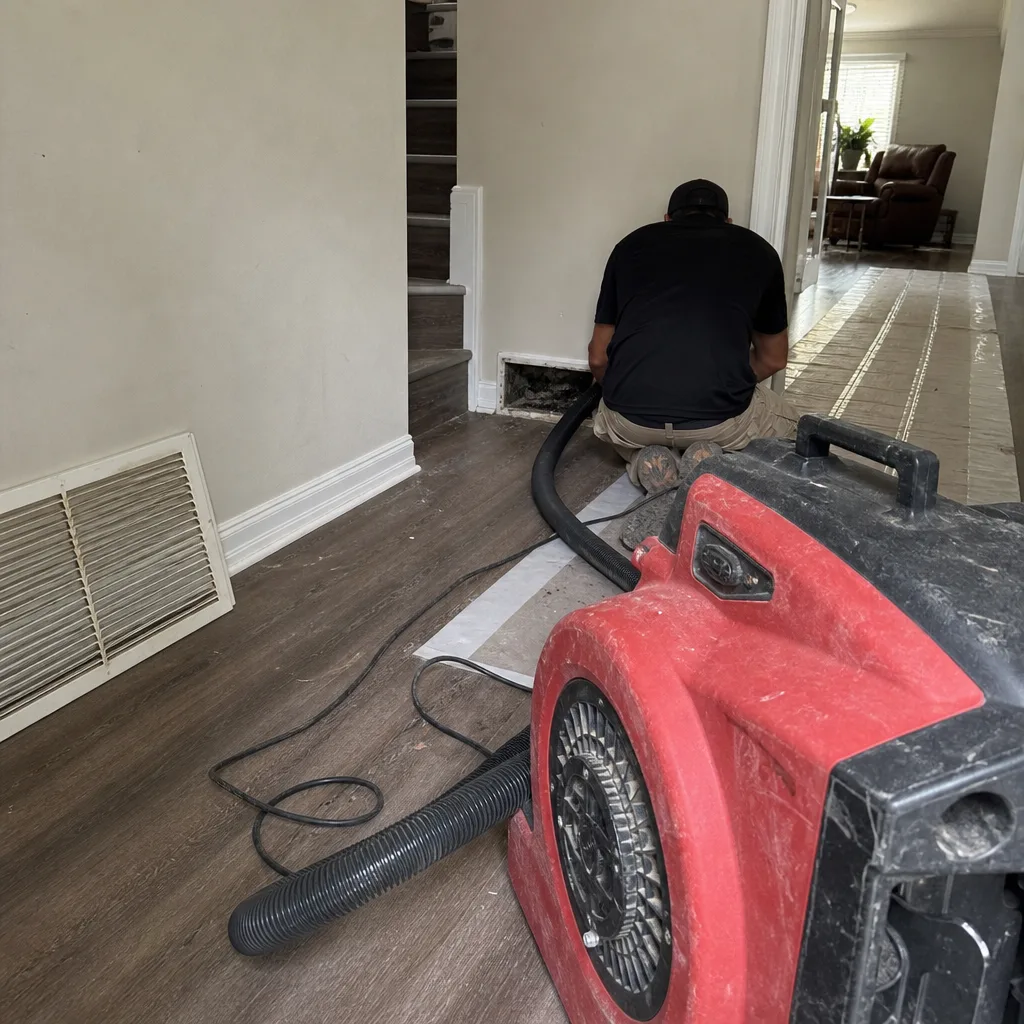 Before
 After
After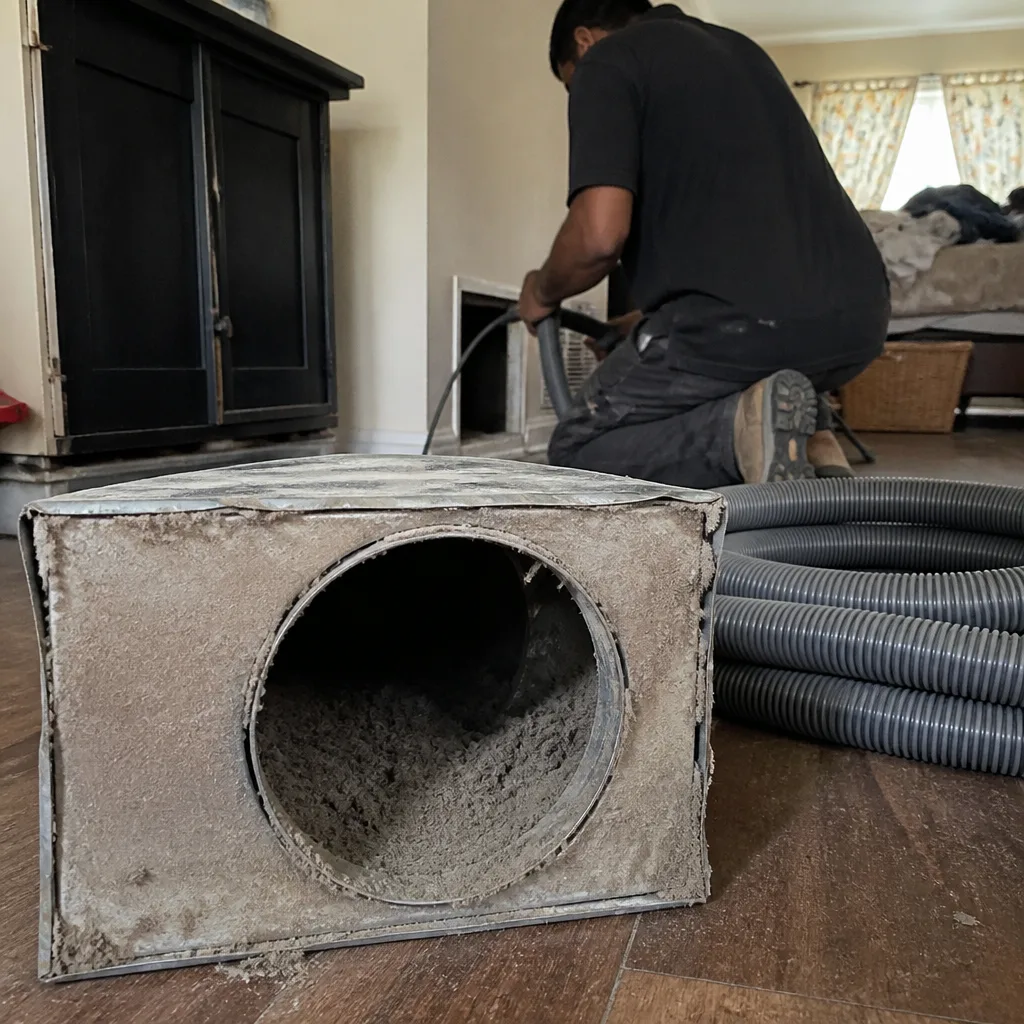 Before
 After
After