
Last updated October 15, 2026
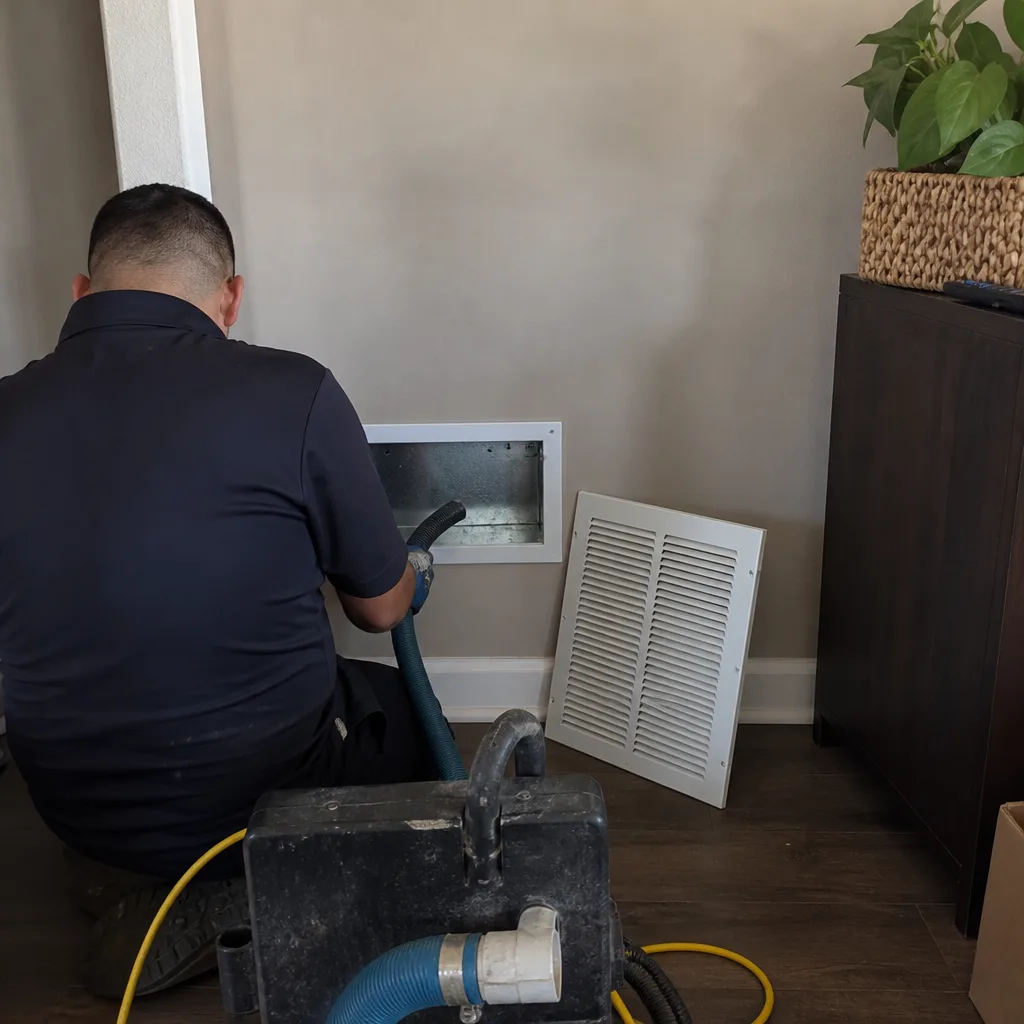
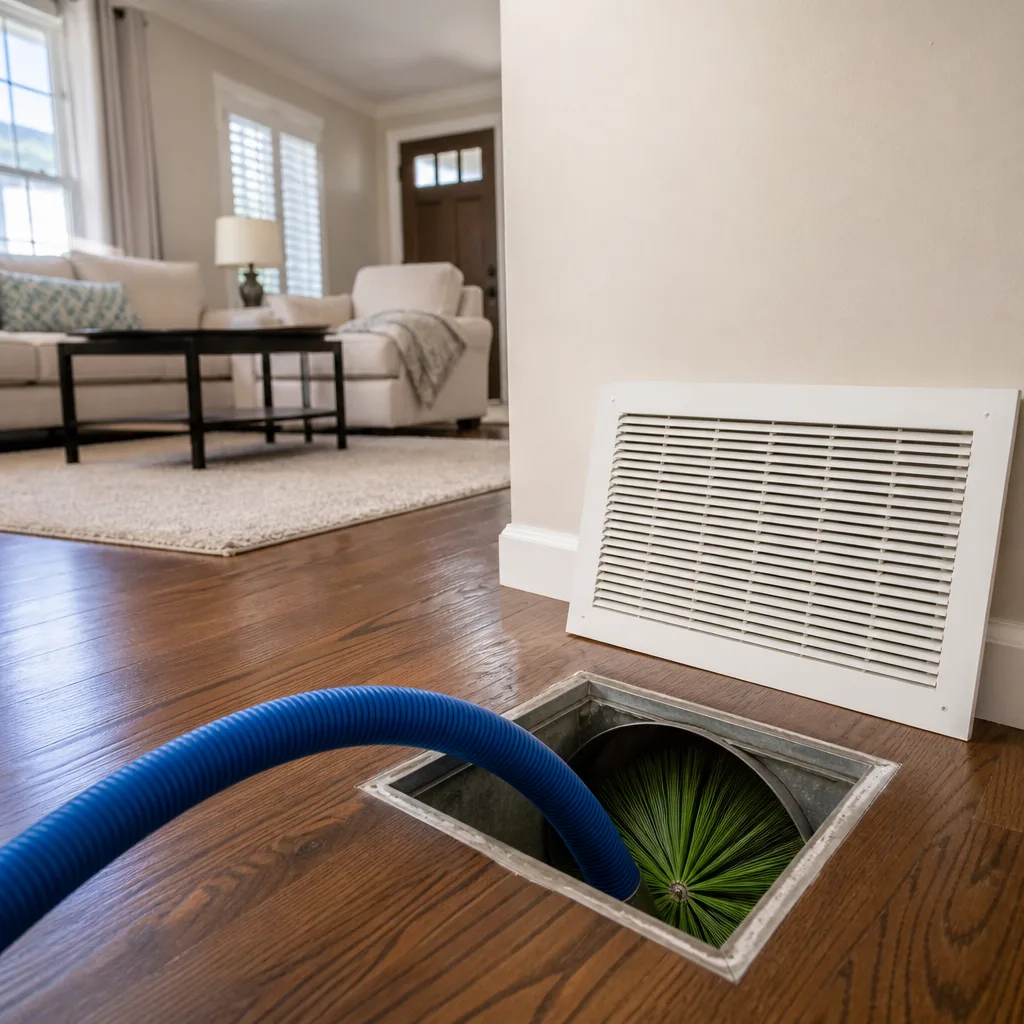 Whole-home duct cleaning
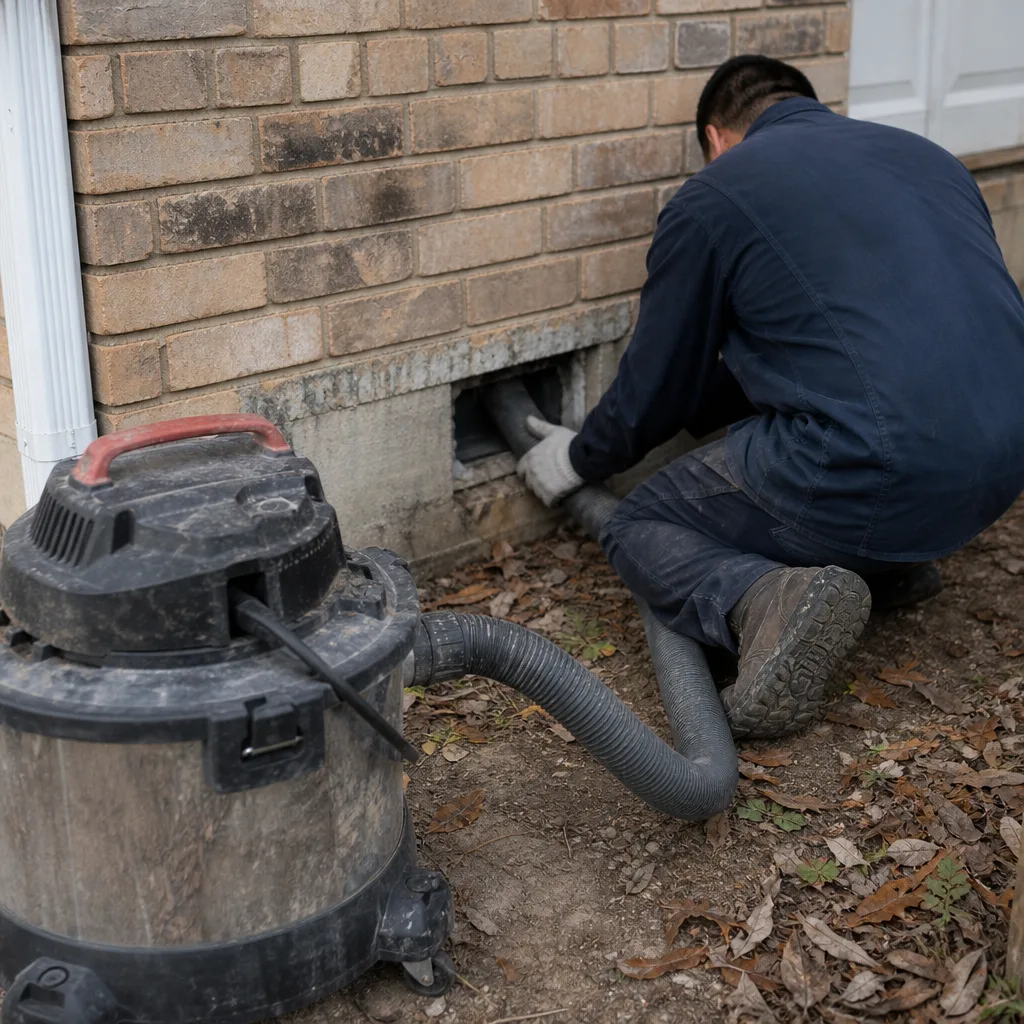
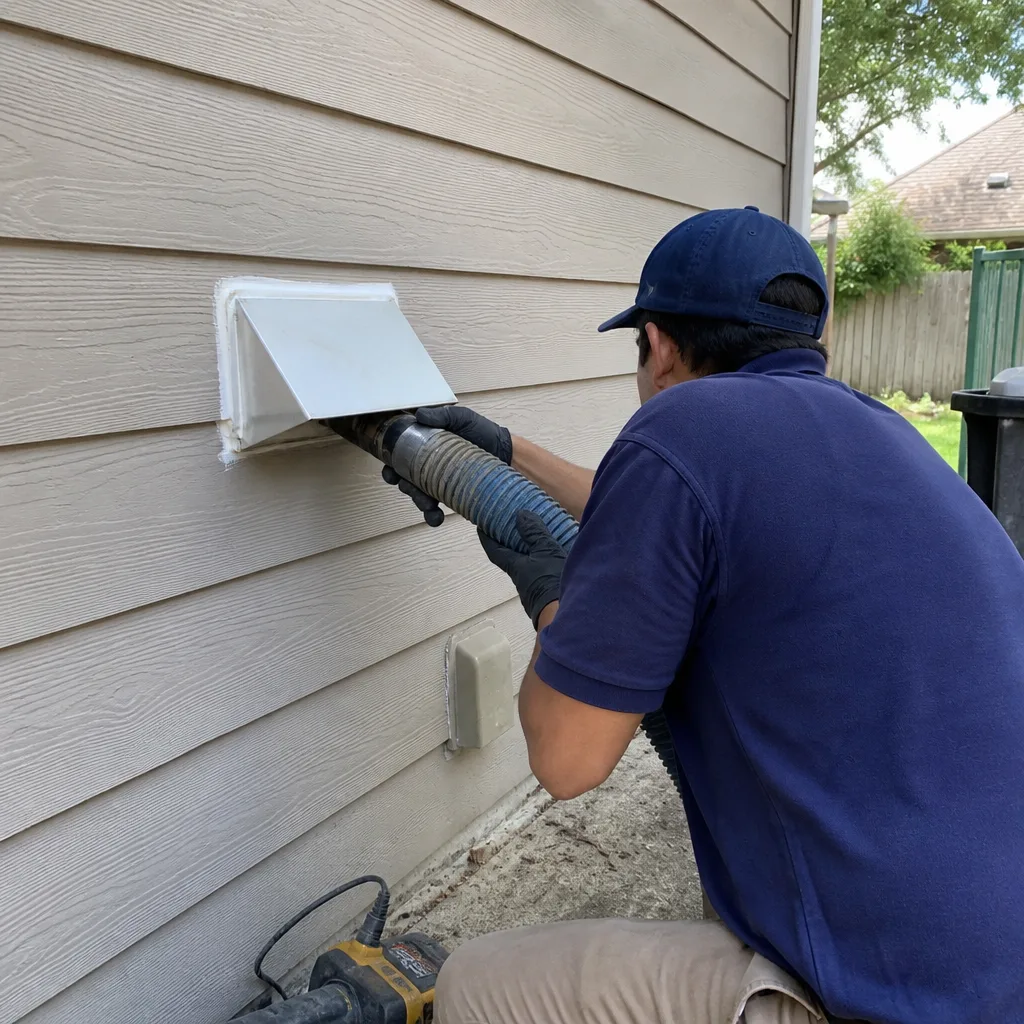
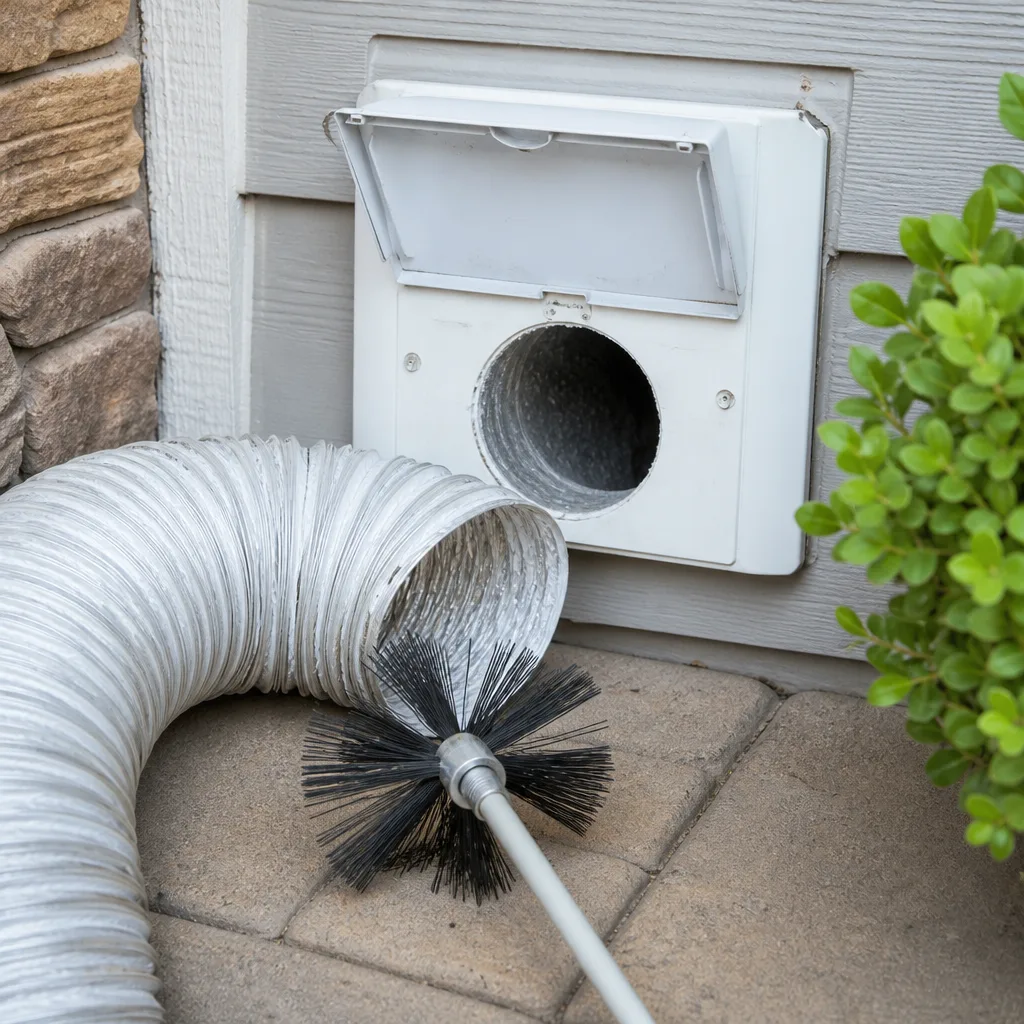 Dryer vent cleaning
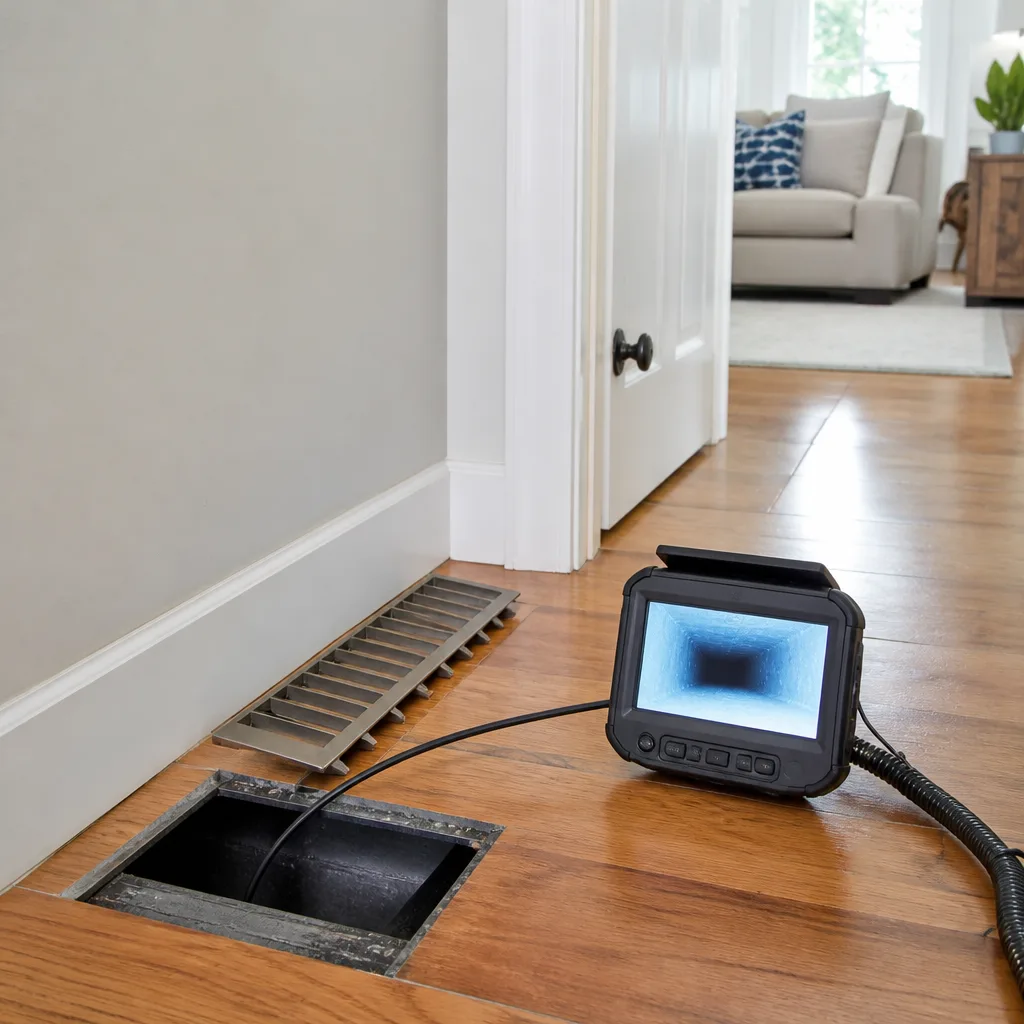 Camera inspection
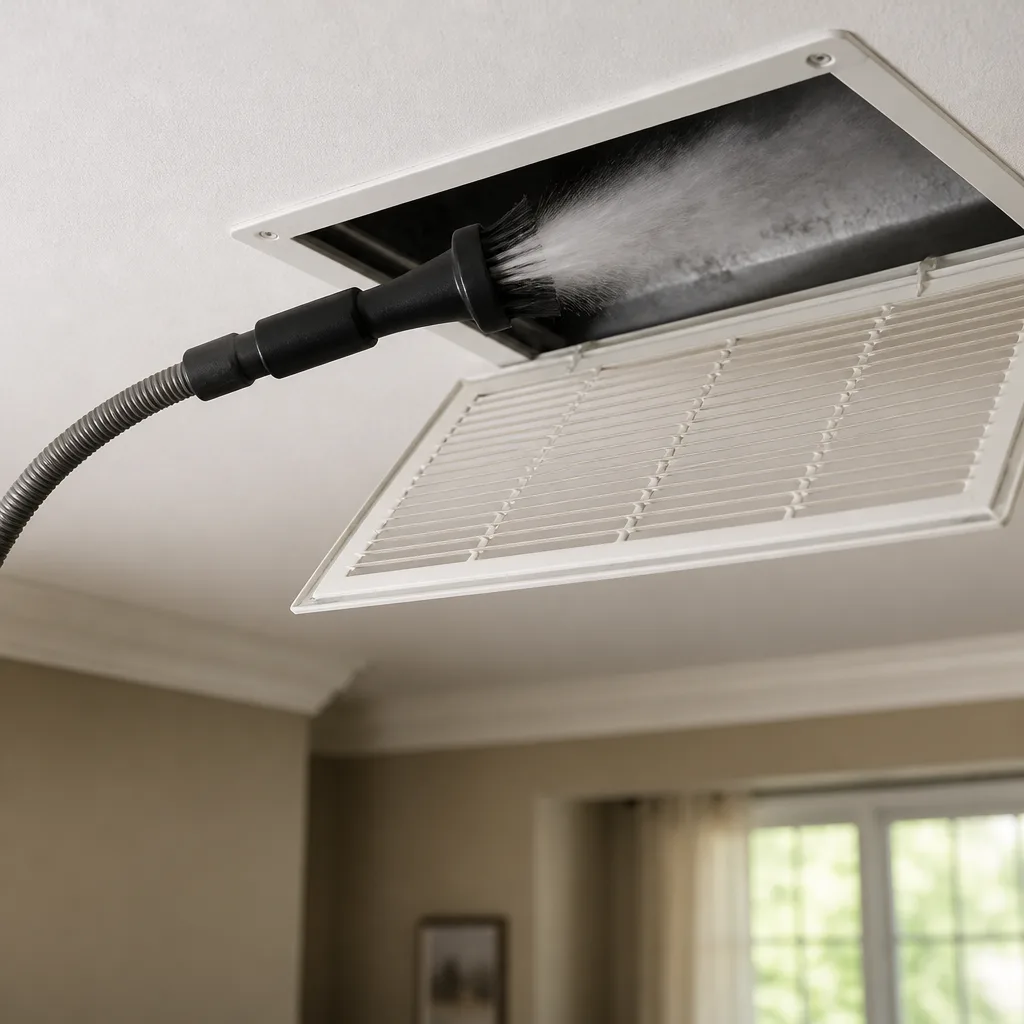 Sanitizing & deodorizing
Whole-system duct and dryer vent check with before-and-after photos - you see exactly what came out of your vents
That "$99 whole-house special" is a bait ad - the real number appears once they are in your hallway, or the "clean" is a shop-vac at the register. We photograph the inside of your ducts before and after instead.
Air Duct Cleaning Permits, Codes & Inspections in TX: What You Need to Know
Here’s something that surprises most Houston homeowners: you will not find a single line in the Texas Administrative Code that says “air duct cleaning requires a permit.” Search the phrase and you’ll get almost nothing, because the industry rarely talks about it. But the moment a technician disconnects a section of ductwork, replaces a rusted plenum, or applies a chemical coating inside your HVAC system, the regulatory picture shifts, and most people have no idea where that line is. This guide draws that line clearly so no one gets surprised by a code violation, an unlicensed contractor doing regulated work, or an invoice that should never have existed. For a deeper look at when cleaning turns into something more serious, see our Air Duct Cleaning Warning Signs: A Houston Homeowner’s Reference Guide.
Quick Answer
Routine air duct cleaning in Texas does not require a permit, a state license, or a city inspection. However, duct repair, duct replacement, and the application of antimicrobial chemicals inside ductwork can trigger Texas Department of Licensing and Regulation (TDLR) HVAC licensing rules, local permitting requirements in Houston, and EPA FIFRA regulations. The distinction comes down to whether the work is cleaning (no permit) or modification and chemical treatment (possibly regulated).
Styles & brands we work with
Table of Contents
- The Legal Line: Cleaning vs. Repair in Texas
- Where Duct Cleaning Sits Under TDLR Rules
- Antimicrobials, Sanitizers, and EPA FIFRA Rules
- Houston-Specific Permitting and Code Considerations
- How to Document What Category of Work Was Performed
- What an HVAC Inspection Actually Checks in Houston
- Common Mistakes to Avoid
- When to Call a Professional
- Frequently Asked Questions
The Legal Line: Cleaning vs. Repair in Texas
Here’s the distinction that matters more than any permit form. Air duct cleaning is exactly what it sounds like: removing accumulated dust, pet hair, pollen, and debris from the interior surfaces of your ductwork using agitation and negative air pressure. No ductwork is cut, disconnected, or replaced. Nothing is chemically altered. In Texas, this is treated as a maintenance service, similar to carpet cleaning or pressure washing, and our Air Duct Cleaning services follow exactly this scope. No permit is required because no building system is being modified.
Duct repair and replacement are a different category entirely. When a contractor cuts out a corroded section of sheet metal, disconnects a supply branch to access a collapsed duct, or installs a new plenum, that work falls under the Texas Mechanical Code and, in many jurisdictions including Houston, requires a permit and a licensed HVAC contractor. Here’s the practical line:
- Cleaning (unregulated): Brushing, vacuuming, compressed air agitation, negative pressure extraction, access through existing openings, visual inspection with a camera.
- Repair or replacement (regulated): Cutting or removing ductwork sections, installing new duct material, sealing with mastic requiring system alteration, reconnecting or rerouting duct runs, replacing the plenum, modifying the air handler connection.
We’ve watched homeowners in Houston get quoted for a “deep clean” only to discover mid-job that a section of flex duct was torn and needed replacement. That’s the moment the job stopped being maintenance and started being mechanical work. A professional cleaner will stop and tell you that. One who isn’t licensed may just do it anyway and hope no one asks questions.
Where Duct Cleaning Sits Under TDLR Rules
The Texas Department of Licensing and Regulation (TDLR) licenses air conditioning and refrigeration contractors under Texas Occupations Code Chapter 1302. A contractor performing air conditioning or refrigeration work in Texas must hold a TDLR license, with specific classifications for environmental air conditioning, commercial refrigeration, and process heating or cooling.
So where does duct cleaning land? It doesn’t. TDLR’s Air Conditioning and Refrigeration program regulates the installation, repair, and modification of HVAC systems. Cleaning the interior of an existing duct run is not system modification. The agency has not created a separate license class for duct cleaners, and a company does not need a TDLR air conditioning license to clean ducts. If a company tells you their TDLR license is required for duct cleaning, they’re either misinformed or using the license to justify a higher price.
But here’s where that distinction gets sharp in practice:
- A duct cleaner who replaces a damaged section of duct without holding a TDLR license is performing unlicensed air conditioning work, which violates state law.
- A duct cleaner who disconnects ductwork to access a section, then fails to properly reseal it, creates a system modification that falls under TDLR’s mechanical work category.
- An HVAC contractor holding a TDLR license may legally perform duct repair and replacement, but many subcontract the actual cleaning work to a specialist.
In Houston, where summer humidity stresses ductwork year-round and corroded sheet metal is common in older homes in neighborhoods like Meyerland and Spring Branch, the line between cleaning and repair comes up constantly. A good company will document what they found, photograph it, and give you a written scope before touching anything beyond cleaning.
Antimicrobials, Sanitizers, and EPA FIFRA Rules
This is the detail almost no contractor volunteers, and it’s the one that most often gets a company into legal trouble. If a duct cleaning company offers to apply an antimicrobial fog, sanitizer, or “duct sealant” inside your HVAC system, the product they use is regulated by the Environmental Protection Agency under FIFRA, the Federal Insecticide, Fungicide, and Rodenticide Act.
Here’s what that means in plain terms:
- Any product marketed to kill mold, bacteria, or other microorganisms in ductwork is a pesticide. It carries an EPA registration number.
- Using an EPA-registered pesticide in a manner inconsistent with its label is a violation of federal law. That label specifies where and how the product may be applied.
- Some products are labeled for use on non-porous HVAC surfaces like sheet metal. Others are approved for hard surfaces only. Applying a hard-surface-only product to the porous interior of flex duct or to the inside of an air handler can violate the label.
- EPA’s duct liner position is clear: if the ductwork is lined with fiberglass and the liner is moldy, you cannot simply coat over it. The liner must be removed and replaced. No EPA-registered coating is approved for that use.
In Houston’s humidity, mold is the reason many homeowners seek duct cleaning in the first place. A company may offer to “sanitize” the system as an add-on. Before you agree, ask for the product’s EPA registration number and the manufacturer’s label. A technician applying product from Nikro or Guardsman should be able to show you both. If they can’t, walk away.
Houston-Specific Permitting and Code Considerations
The City of Houston requires mechanical permits for work that modifies a building’s HVAC system. That includes installing new ductwork, replacing sections of existing duct, installing a new air handler, or relocating duct runs during a remodel. The Houston Permitting Center processes these permits, and the work must be performed by a contractor licensed with the State of Texas and registered with the city.
For air duct cleaning, none of that applies. Cleaning requires no Houston building permit, no inspection, and no contractor registration. You can hire a duct cleaner the same way you’d hire a house cleaner. But here’s what Houston homeowners should know:
- If your home is in a historic district, like the Heights or parts of Montrose, and the ductwork work involves exterior vent replacement, you may need to check with the Houston Archaeological and Historical Commission.
- If your home is in a flood zone and the ductwork replacement is part of post-flood remediation (common in areas like Meyerland after Harvey), the city’s floodplain regulations may require documentation that ductwork below the base flood elevation was addressed by a licensed contractor.
- If the cleaning reveals damage that requires repair, the repair itself may trigger the permit requirement even though the cleaning did not.
The practical takeaway: The Complete Guide to Air Duct Cleaning in Houston confirms that cleaning your ducts is permit-free. Repairing or replacing them is not, and the moment the job shifts from one to the other, you need a contractor who carries the right license and knows how to pull the permit.
How to Document What Category of Work Was Performed
The fastest way to avoid a permitting problem is to make the contractor classify the work in writing before it starts. This creates a paper trail that protects you if an issue comes up later, whether that’s a failed inspection, a lien dispute, or a question from your homeowner’s insurance company after a claim. Here’s the process we recommend:
- Ask for the written scope before the crew arrives. A one-page document stating “air duct cleaning only, no repair, no replacement, no chemical application” is enough. If the company can’t produce that, consider that a red flag.
- Ask for a visual inspection report if the technician finds damage. Photos help. A good technician using a Rotobrush or Nikro system with a camera attachment can take pictures from inside the duct. Those images become evidence of what was there before any work was done.
- If damage is found, stop the job. The cleaning crew should pause and give you written documentation of what they found, including a recommendation for repair by a licensed HVAC contractor. No repair should happen under the same invoice as a cleaning without a change order.
- Get a signed work order at completion. The work order should state what was performed, what was not performed, and confirm that no ductwork was modified. This is your documentation if a future inspector asks.
- Keep before-and-after photos. Most quality duct cleaning companies will provide them. If they don’t, ask. The Cedarwell Care Promise, which Mortons Air Duct Houston works under, includes a photo of the clean-up before the crew leaves, so you have visual proof of the work.
This paper trail matters more in Houston than in drier cities. The Gulf Coast humidity means mold and corrosion are constant concerns, and an insurance adjuster evaluating a claim after a summer storm will want to know if the ductwork damage was pre-existing or caused by the storm. Your documentation answers that question.
What an HVAC Inspection Actually Checks in Houston
Many homeowners confuse duct cleaning with an HVAC inspection. They’re not the same thing, and understanding the difference keeps you from expecting a permit that isn’t needed or accepting a cleaning that doesn’t serve your real concern.
An HVAC inspection, when one is performed, typically checks:
- Airflow at each register to identify collapsed or blocked duct runs.
- Temperature differential between supply and return air to assess system efficiency.
- Evaporator coil condition, including dust accumulation that reduces heat exchange.
- Drain pan and condensate line for blockages that can cause water damage, especially common in Houston’s humid months.
- Duct leakage at joints and connections, a major energy loss point in older Houston homes.
- Filter condition and fit, which affects everything downstream.
Duct cleaning addresses only the interior surfaces of the ducts themselves. If your concern is that your system isn’t cooling evenly across the house, or your energy bills rose unexpectedly last summer, a cleaning alone may not solve the problem. A thorough company will identify whether the issue is dust in the ducts, or a detached duct in the attic, or an undersized return. Different problem, different solution, different permit category. A cleaning of air ducts in Houston done properly will also flag those other issues rather than silently cleaning over them.
Common Mistakes to Avoid
- Assuming any company that shows up with a truck and equipment is qualified. Duct cleaning requires no Texas license, which means anyone with a vacuum and a website can call themselves a duct cleaner. Ask about training, background checks, and the equipment brands they use, like Rotobrush or Nikro. If a company has no answer, that’s your answer.
- Paying for a “chemical sanitizing” service without asking for the EPA registration number. If the product isn’t labeled for use inside HVAC systems, you’ve paid for a federal violation. Ask to see the label.
- Letting the cleaning company repair a duct section they “found” damaged. This is a classic upsell pattern. The cleaning is unregulated, but the repair is licensed mechanical work. Insist the repair be done by a licensed HVAC contractor under a separate scope.
- Not checking if the contractor is registered where required. If the work goes beyond cleaning and a permit is needed in Houston, the contractor must be TDLR-licensed and registered with the City of Houston. A cleaning company that isn’t licensed cannot pull that permit.
- Skipping the written scope because “it’s just a cleaning.” The written scope is the document that protects you when a dispute arises. No scope, no protection. Reputable companies in Houston, including Mortons Air Duct Houston, provide one automatically as part of the Cedarwell Care Promise.
- Confusing an HVAC tune-up with duct cleaning. One is mechanical maintenance on the equipment. The other is removal of debris from the duct interiors. You may need both, but they address different problems and have different regulatory footprints.
- Assuming a permit was pulled when one wasn’t needed. Homeowners sometimes pay a contractor’s “permit fee” for work that didn’t require a permit. Ask for the permit number. If the work was cleaning-only and there’s a permit line item, ask why.
When to Call a Professional
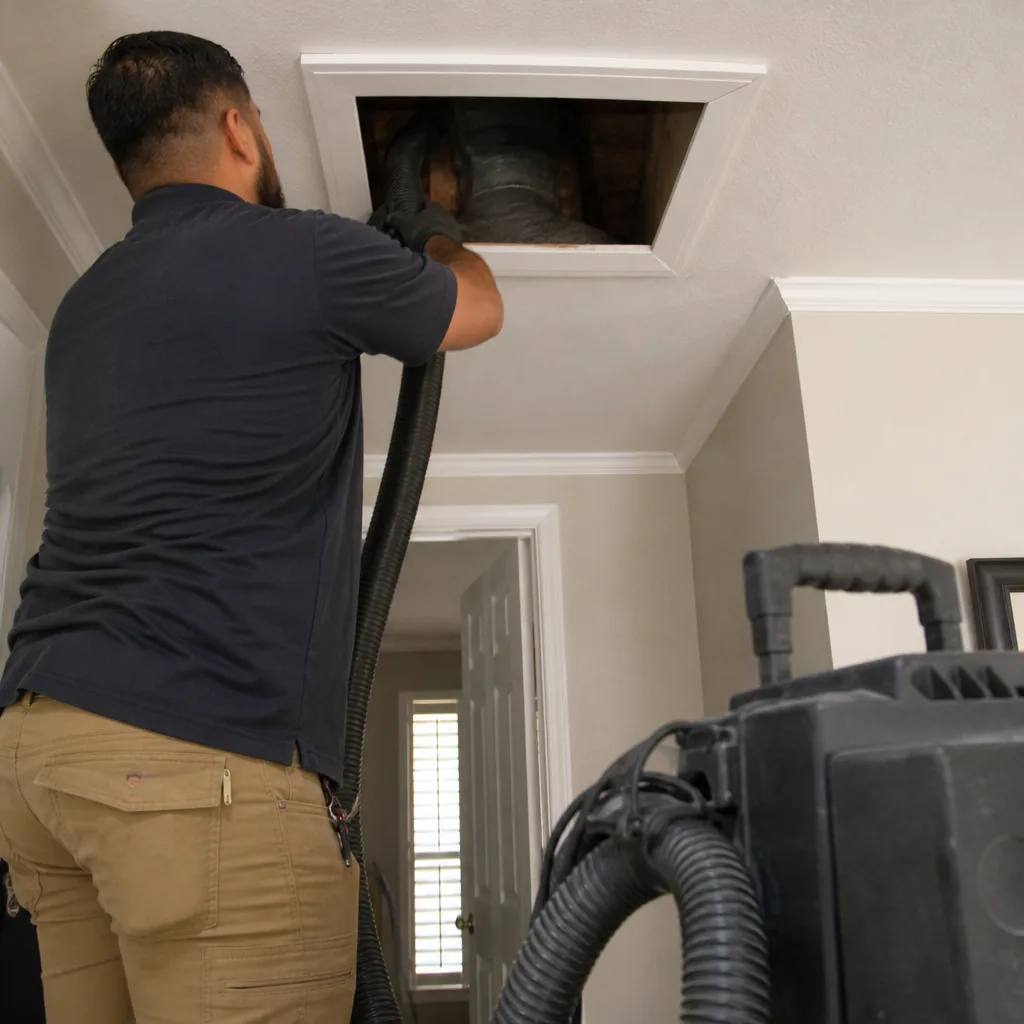
In Houston, duct cleaning is not a DIY project. The tools are specialized (negative air machines, agitation devices, camera inspection systems from brands like Rotobrush and Nikro), and the access points in many attics are tight, hot, and unpleasant to work in. More importantly, a trained technician can identify what falls outside the cleaning category before it becomes a code issue. If you see visible mold on duct surfaces, suspect a duct has disconnected in the attic, or your system has never been cleaned in a home you’ve lived in for more than five years, have a professional assess it. Mortons Air Duct Houston offers free estimates in Houston. Call (940) 314-5008 for a written quote before any work starts.
Frequently Asked Questions
No. Routine air duct cleaning is treated as a maintenance service in Texas and requires no permit at the state or local level, including in Houston. A permit becomes relevant only if the work shifts to duct repair, replacement, or modification of the HVAC system.
Ask what category of work they’re performing and request written documentation. If the scope is cleaning only, Texas does not require a specific license for that work. If repair is involved, the contractor must hold a TDLR air conditioning license and, in Houston, register with the city for permitted work.
No. EPA and industry guidance do not recommend routine chemical sanitizing of ductwork. Any antimicrobial product applied inside a duct system must be EPA-registered and labeled for that specific use, and you should be shown the label before the product is applied.
They shouldn’t have, unless the work included repair or replacement that required a permit. Cleaning-only services do not trigger a permit requirement in Houston. Ask for the permit number and verify it with the City of Houston Permitting Center if you’re uncertain.
No inspection is required for air duct cleaning in Houston. Inspections are triggered by permits for mechanical work, not by maintenance services. Your duct cleaner should provide post-cleaning photos showing the condition of your ducts before they leave.
Request the product’s EPA registration number and read the label. The label will state where and how the product may be applied. If the label does not include HVAC duct interiors, application is a FIFRA violation. A reputable Houston company will provide this documentation without hesitation. Call (940) 314-5008 to ask us directly.
The Bottom Line
Air duct cleaning itself sits in a regulatory gray-green zone: no permit, no license, no inspection needed for the actual cleaning work in Houston or anywhere in Texas. But the gray turns dark the moment repair, replacement, or chemical application enters the picture. A TDLR license, a city permit, or an EPA label review may suddenly be required, and your protection is the paperwork. Get a written scope. Ask questions before any chemical goes near your system. And if a cleaning reveals damage that needs a repair, stop and get a licensed HVAC contractor involved. If you want a company that draws the line clearly, Mortons Air Duct Houston provides written pricing before any work begins, never pushes unneeded chemical services, and documents every job from start to finish.
For details on our Air Duct Cleaning in Houston services or Dryer Vent Cleaning in Houston, or to ask questions about your specific system, call (940) 314-5008 for a free estimate.
Written by Paul Adeyemi, Owner at Mortons Air Duct Houston, serving Houston since 2005.
See the difference
 Before
 After
After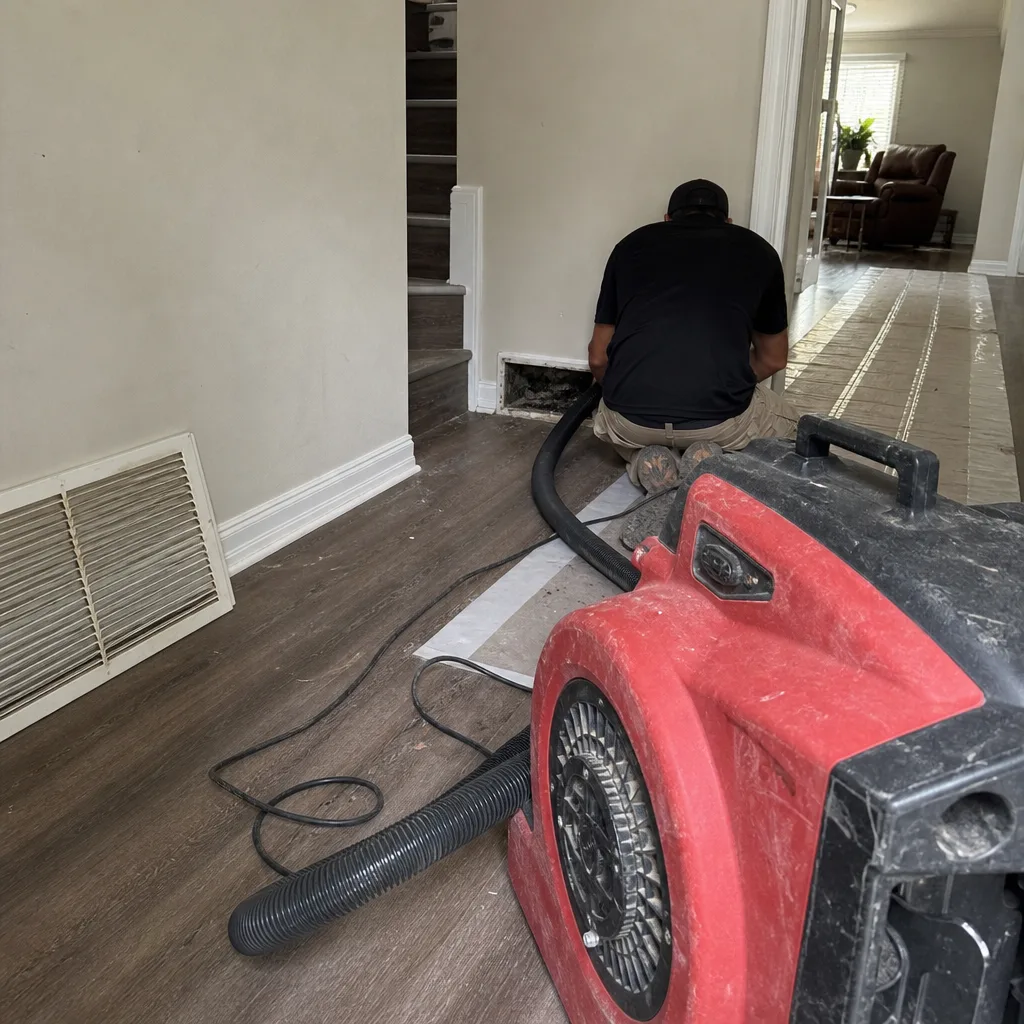 Before
 After
After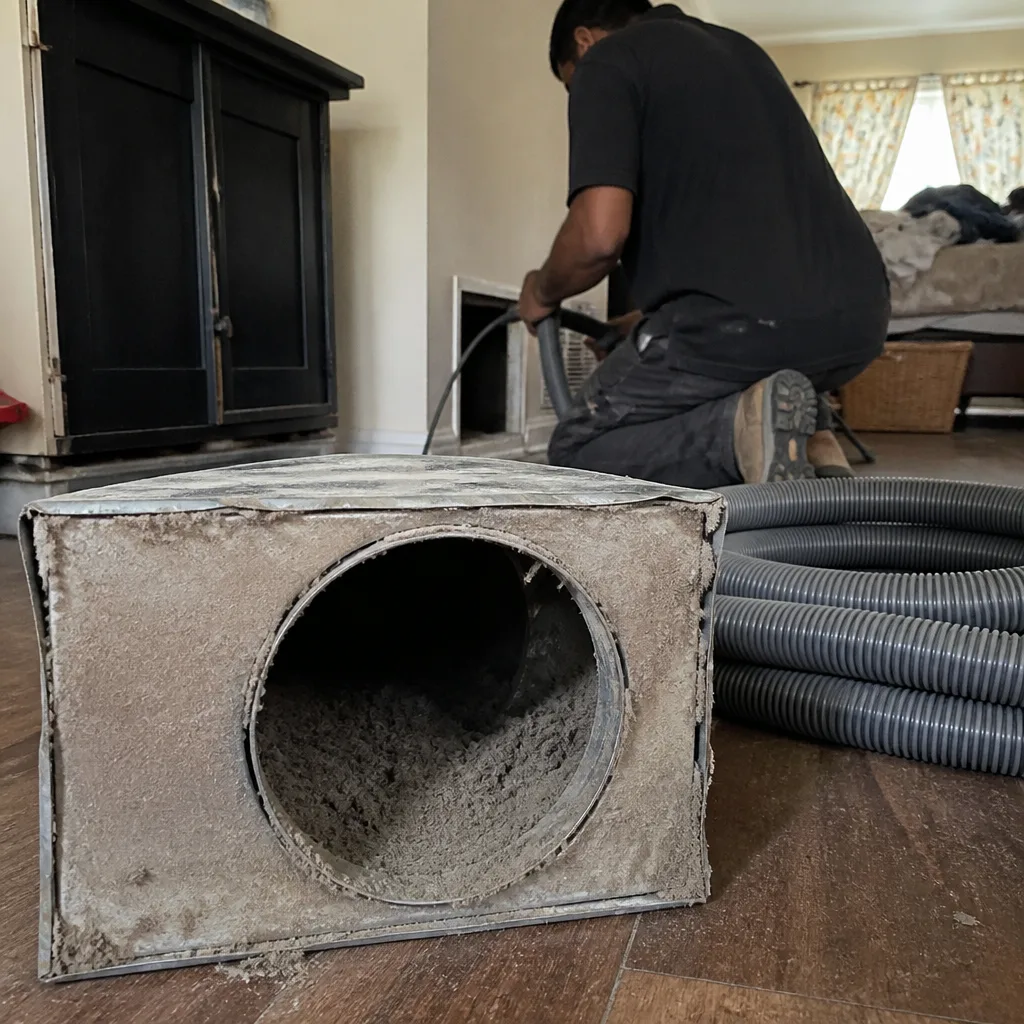 Before
 After
After