
Last updated October 15, 2026
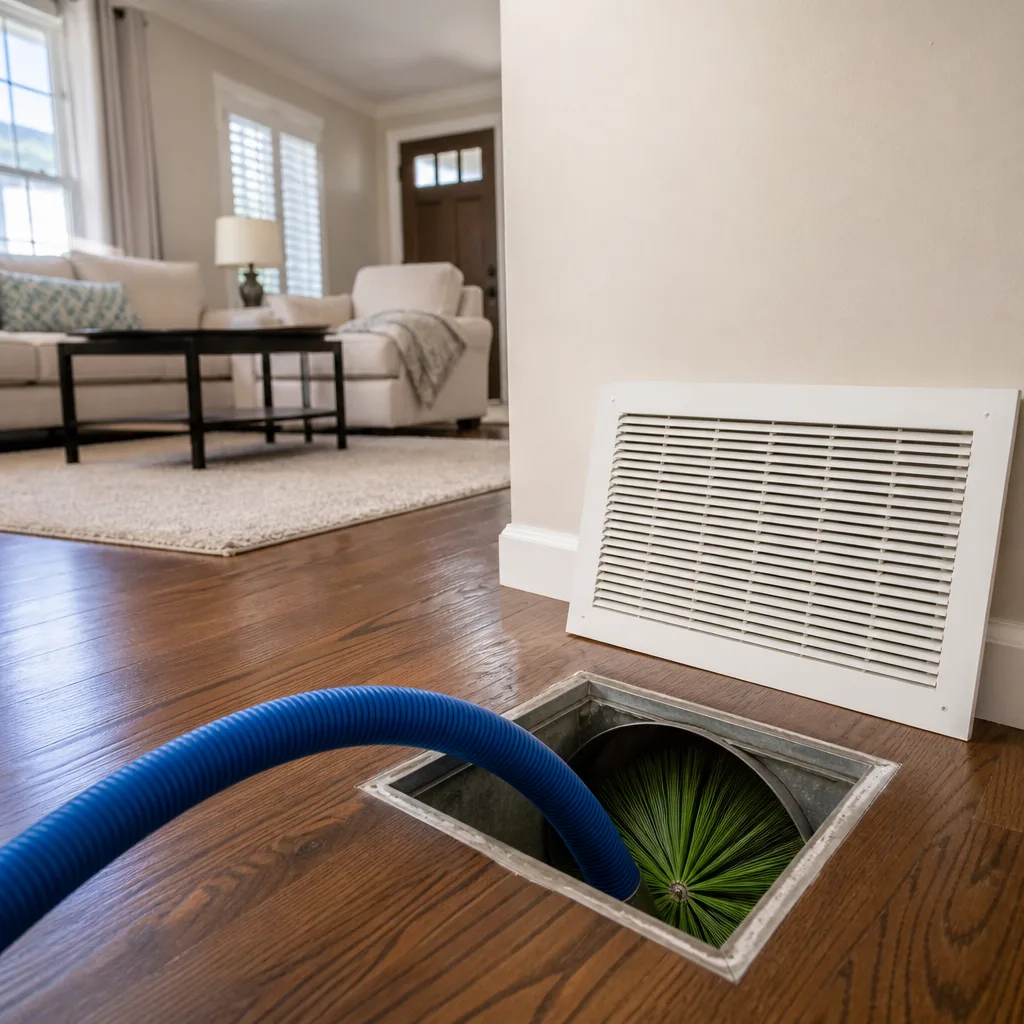 Whole-home duct cleaning
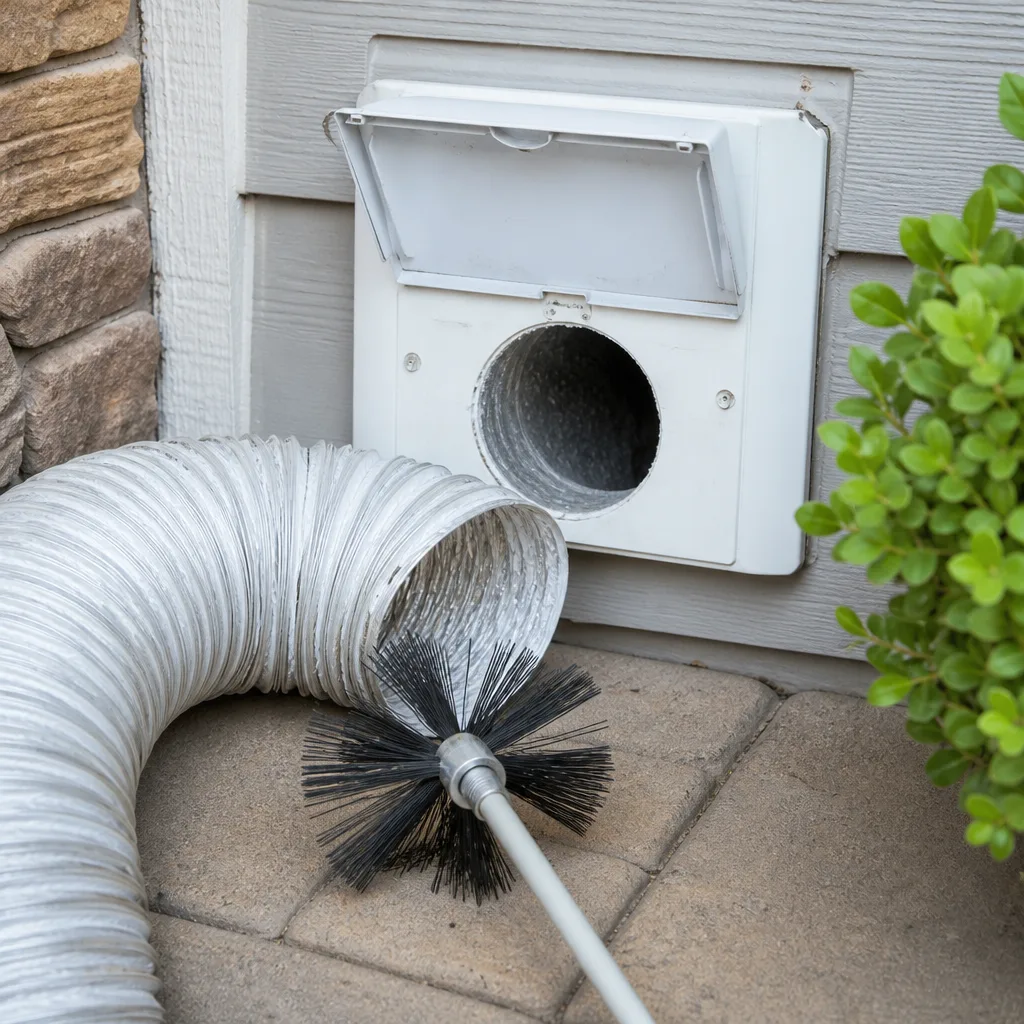 Dryer vent cleaning
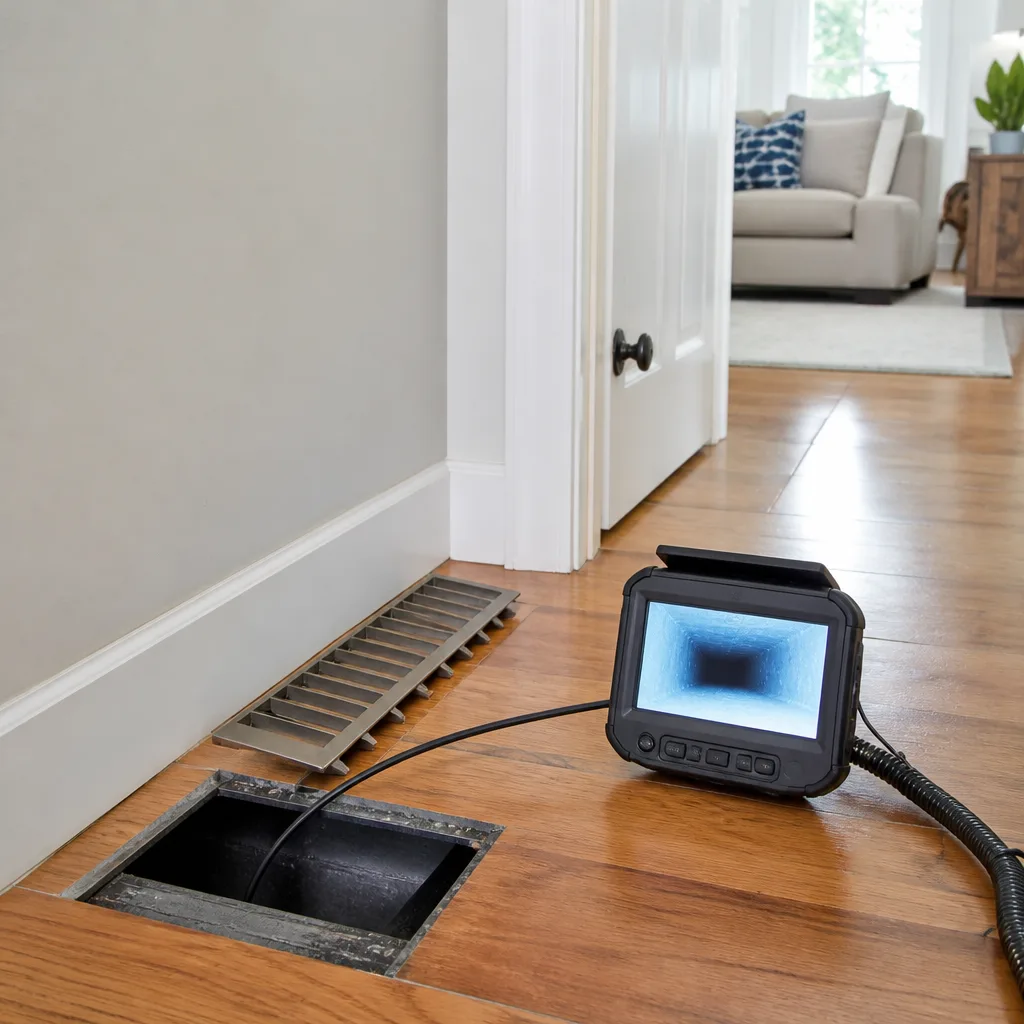 Camera inspection
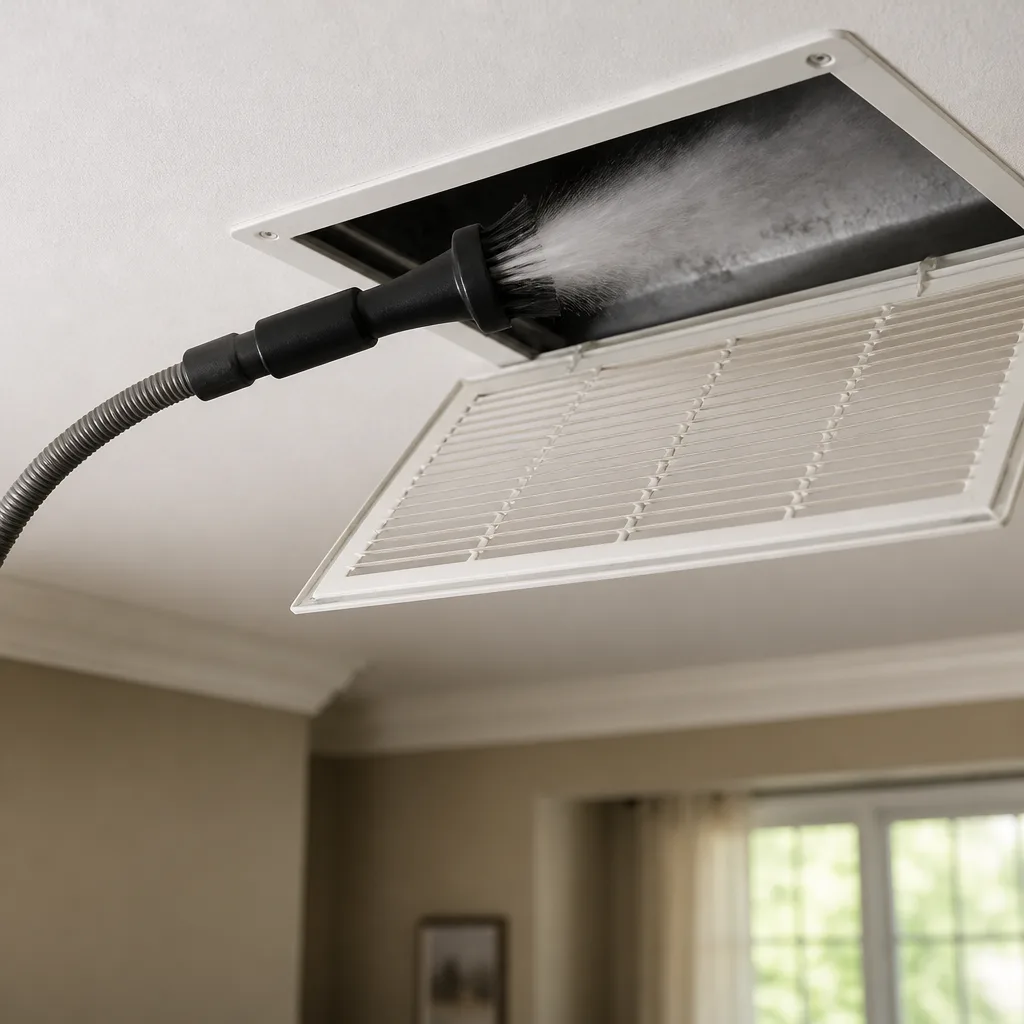 Sanitizing & deodorizing
Whole-system duct and dryer vent check with before-and-after photos - you see exactly what came out of your vents
That "$99 whole-house special" is a bait ad - the real number appears once they are in your hallway, or the "clean" is a shop-vac at the register. We photograph the inside of your ducts before and after instead.
The Complete Guide to Air Duct Cleaning in Houston
Houston homeowners run their air conditioners an average of 9 to 10 months out of the year. That single fact changes everything about how ductwork collects debris, how fast it gets dirty, and what it takes to actually get it clean. A system that cycles nearly year-round simply builds up contaminants at almost twice the rate of one in a temperate climate, yet most duct cleaning guides read like they were written for a house in Ohio. This guide is different. It explains exactly what happens inside Houston ductwork, why it’s unlike ductwork anywhere else, and what a proper, thorough Air Duct Cleaning in this city actually involves, step by step, so you can tell the difference between a real job and a cut-corner job before you book anything.
Styles & brands we work with
Quick Answer
Air duct cleaning in Houston typically costs between $350 and $650 for a full single-family home, takes 3 to 5 hours, and should cover both supply and return ducts, the blower, the coil, and the plenums. Houston’s humidity and year-round AC use mean ducts here collect more moisture, more dust mite activity, and more fine particulate than in drier cities. A proper Houston-specific cleaning uses HEPA-filtered professional equipment, protects your floors and furniture during the job, and includes before-and-after proof of the work.
Table of Contents
- Why Houston Ducts Are Different From Anywhere Else
- How Often Should You Clean Air Ducts in Houston?
- What a Full Cleaning Visit Actually Includes
- Truck-Mounted vs. Portable Equipment: What Houston Homes Need
- Supply vs. Return Ducts: The Half-Cleaning Trap
- Step-by-Step: What a Proper Visit Looks Like Room by Room
- What Air Duct Cleaning Costs in Houston
- Common Mistakes to Avoid
- When to Call a Professional
- Frequently Asked Questions
- The Bottom Line
Why Houston Ducts Are Different From Anywhere Else
Three things set Houston ductwork apart from the rest of the country: humidity, slab foundations, and how long the AC runs. None of them are small details.
First, the humidity. Houston’s average relative humidity sits between 70% and 90% for much of the year. When warm, moisture-heavy air moves through a cool duct system, condensation forms on the interior surfaces. That condensation does two things: it gives dust a wet surface to stick to, and it creates conditions where dust mites and mold thrive. In our experience cleaning ducts across Houston, we regularly find a film of damp, compacted dust on the sides of ducts that have gone more than five years without attention. It doesn’t look like dust anymore. It looks like felt. That’s a humidity problem, and it’s specific to this climate.
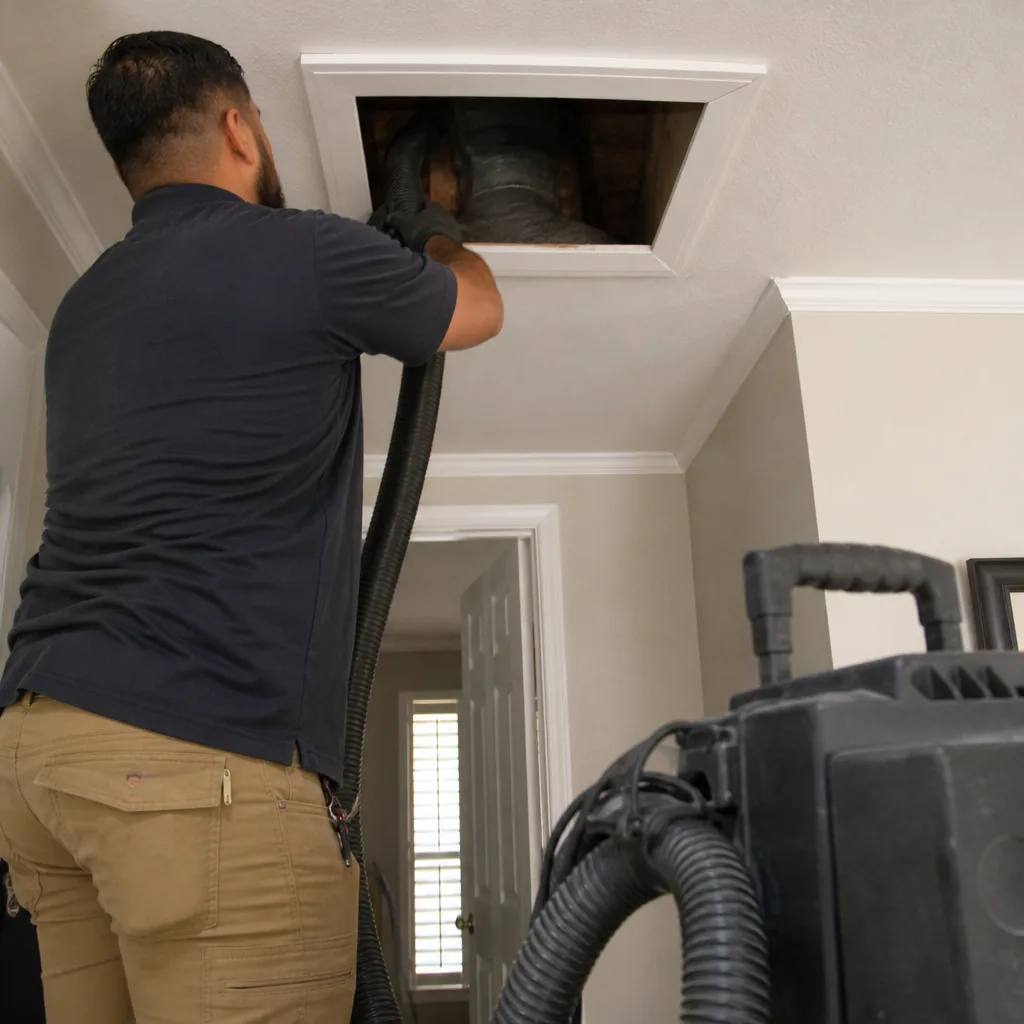
Second, most Houston homes are built on concrete slab foundations. That means the ductwork isn’t running through a crawl space or a basement like you’d find in a northern home. Instead, ducts are typically run through the attic, where temperatures in August can reach 140 degrees or more. Attic-run ductwork collects a different kind of debris than crawl-space systems: fiberglass insulation particles from the attic floor, heat-degraded dust, and fine grit that gets drawn in through small gaps in the duct connections. It also suffers more from thermal stress, which means small cracks and separations are more common, and those openings pull in unfiltered attic air.
Third, the run time. When a system runs all day, every day, the filter captures what it can, but everything that gets past the filter, or around it, recirculates through the ducts constantly. That’s not a flaw in your system. It’s just math. More airflow hours equals more deposition. Houston homeowners should think of their ductwork the way they think of a pool filter: it does the work, but it needs to be cleaned out eventually because the city’s environment loads it faster than almost anywhere else in the country.
How Often Should You Clean Air Ducts in Houston?
The honest answer for a Houston home is every 3 to 5 years, with some homes needing it sooner. That’s more frequent than the 5 to 7 year guidance you’ll see on generic websites, and there’s a reason for that: our climate puts more load on the system.
Here’s what shortens the interval in Houston specifically:
- Pets in the home. Dogs and cats shed dander continuously, and in a closed AC environment, that dander cycles through the ductwork. Homes with two or more indoor pets often need cleaning on a 2 to 3 year cycle.
- Kids with allergies or asthma. If someone in the household reacts to dust, pollen, or mold, cleaner ducts mean less re-circulated particulate in the air they breathe all night. Many Houston families notice a difference in morning congestion after a proper cleaning.
- Renovation work. If you’ve had drywall sanded, flooring replaced, or any kind of construction done, that fine dust settles in the ducts and gets redistributed for months afterward. One thorough post-renovation cleaning is almost always worth it.
- Visible dust on vents or registers. If you can see gray streaks or dark buildup around the vent covers, that’s duct deposition being blown into the room.
- Mold or mildew odor when the AC kicks on. This is a humidity signature. Houston’s moisture traps organic dust in the ducts, and when that material stays damp, it can develop odor in a way it doesn’t in drier cities.
If none of those apply and your home is clean, well-filtered, and occupied by adults without respiratory issues, every 5 years is reasonable. But in Houston, the real-world average for families with kids and pets lands closer to every 3 years. You can read more about Air Duct Cleaning in Houston on our dedicated service page.
What a Full Cleaning Visit Actually Includes
Not every company defines “duct cleaning” the same way, and that’s where Houston homeowners get burned. A complete job should cover every surface that air touches on its way through the system. Here’s what that means in practice:
- Supply ducts. These carry conditioned air from the air handler to every room. They’re the most visible part of the system and what most people picture when they think of duct cleaning.
- Return ducts. These pull room air back to the air handler. They collect lint, hair, and dust from the living spaces, and in Houston’s humidity, they’re especially prone to a tacky dust film that doesn’t blow off easily.
- The air handler, blower, and evaporator coil. This is the heart of the system. When the coil is coated in dust, the AC works harder, cools less efficiently, and holds moisture longer. A proper clean includes the coil, not just the ducts attached to it.
- Plenums and trunk lines. The main distribution boxes and branches that connect everything. Corners and joints collect debris where airflow slows.
- Registers and grilles. The covers where air enters and exits each room. These should be removed and cleaned, not just wiped while still attached.
What should NOT be included is chemical fogging or sanitizing sprays as a default upsell. A proper mechanical cleaning removes the debris that holds moisture and odor. If a technician starts recommending chemical treatments before removing the physical buildup, that’s a red flag. The National Air Duct Cleaners Association standard approach is source removal: physically dislodging and extracting the material. That’s what we do at Mortons Air Duct Houston, and it’s why every job includes a written price before any work starts, so you know exactly what you’re paying for and exactly what will be inside your home. For more detail, see our How to Hire a Air Duct Cleaning Contractor in Houston: A Step-by-Step Guide.
Truck-Mounted vs. Portable Equipment: What Houston Homes Need
There’s a persistent myth in the duct cleaning industry that truck-mounted vacuum systems are always superior to portable units like Rotobrush or Nikro machines. The truth is more nuanced, and for many Houston homes, a quality portable system is actually the better tool.
Here’s the real difference. Truck-mounted systems use a massive vacuum engine in the truck, connected to your ductwork by a long hose run. They generate enormous suction. They’re excellent for single-story homes with ductwork close to the driveway and accessible trunk lines. Where they struggle is with multi-story Houston homes, where the hose has to run up stairs, through hallways, and around tight corners. Each bend and joint reduces effective suction, and the physical logistics put wear on walls, baseboards, and floors.
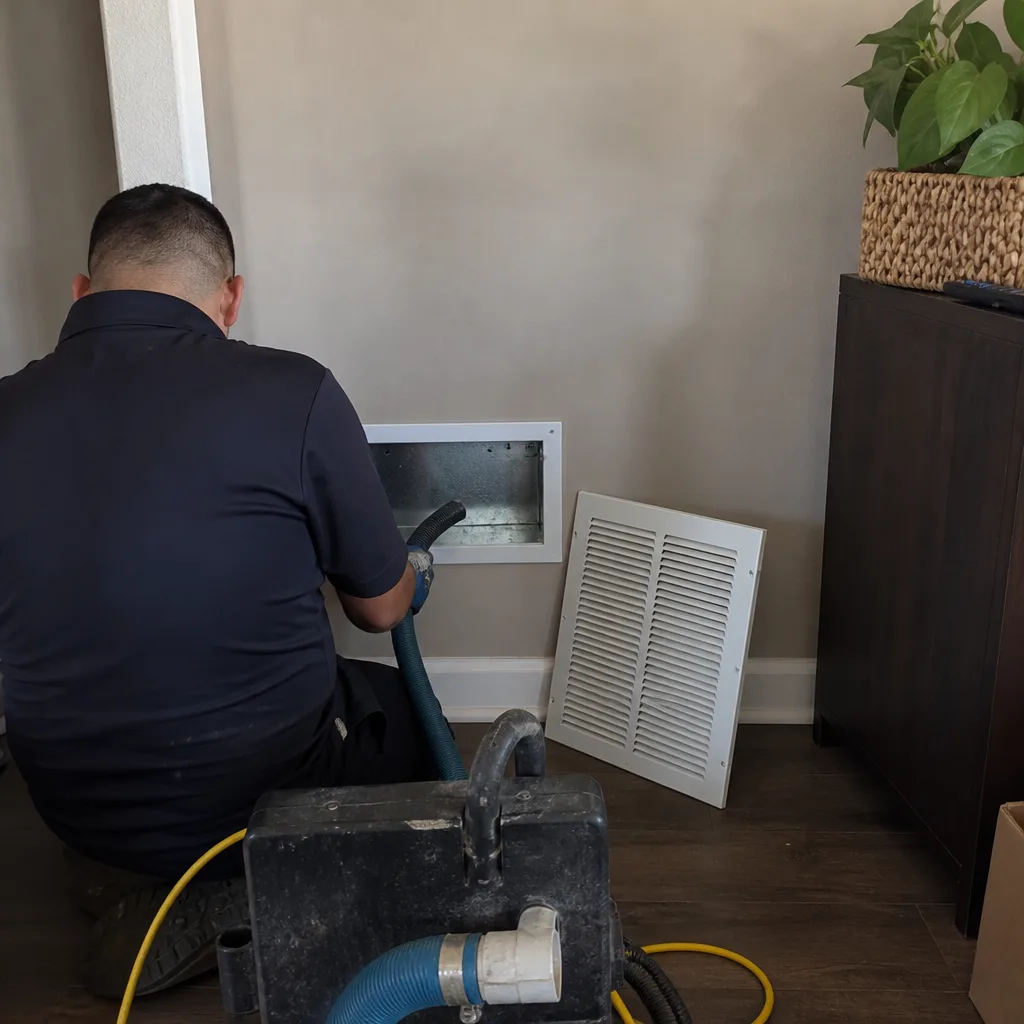
Portable HEPA-filtered systems like the ones built by Nikro and Rotobrush are designed to be brought directly into the home and connected close to the duct opening. The shorter hose run means the actual suction at the point of contact can exceed what a truck-mounted system delivers on a second-floor run. They’re also equipped with rotating brush heads that agitate the duct walls, breaking loose the damp, compacted dust film that Houston humidity creates. Suction alone, no matter how powerful, won’t pull that film off. You need mechanical agitation plus extraction.
What matters more than the category of equipment is the filter. Any system used in a Houston home should be HEPA-filtered, so the fine particulate being extracted isn’t exhausted back into the living space. Morton’s uses professional-grade equipment from Nikro, Rotobrush, and other industry-trusted brands, and our technicians are trained to match the tool to the home, not to whatever is easiest to pull off the truck.
Supply vs. Return Ducts: The Half-Cleaning Trap
Some contractors cut their time by cleaning only one side of the system, usually the supply ducts. It’s faster, it’s cheaper, and the homeowner has no way to visually verify the work. This is the single most common incomplete-service trap in the industry, and Houston homeowners fall for it every week.
Here’s why cleaning only one side is a waste of money: your system is a loop. Supply ducts push conditioned air out. Return ducts pull the same air back in. If the return side still holds months of dust, hair, and dander, that material gets drawn across the clean supply side immediately. Within weeks, the system is contaminated again. It’s like cleaning half of a pool.
A legitimate company will clean both sides, every time, and will verify the work with photos. That’s why Morton’s Air Duct Houston includes a photo of the clean-up before the crew leaves every single job. You should be able to see, with your own eyes, what the inside of your ducts looked like before and after, on both the supply and return sides. If a company can’t or won’t provide that, you should ask what exactly they’re charging for.
The other half of the system that gets skipped is the coil. The evaporator coil sits inside the air handler, and in Houston’s humid environment, it’s almost always damp during cooling season. That damp coil surface captures dust like flypaper. Cleaning the ducts while leaving a coated coil in place means the air you’re paying to cool gets re-contaminated the moment it passes through the handler. Any complete cleaning quote should explicitly include the coil and blower.
Step-by-Step: What a Proper Visit Looks Like Room by Room
This is the part most guides leave out, and it’s the part Houston homeowners need most: a clear picture of what a professional cleaning actually looks like, hour by hour, so you can tell if a crew is doing it right or rushing through it. A full cleaning of a typical 2,000 to 2,500 square foot Houston home takes between 3 and 5 hours.
- Arrival and protection setup (15 to 20 minutes). The crew arrives in uniform, puts on shoe covers before stepping inside, and lays drop cloths in the work path from the entry door to the air handler and any attic access. Every register in the house is identified and mapped. This is when a real company asks about pets, notes which doors need to stay closed, and confirms the scope with you before touching anything.
- System inspection and pressure check (15 to 30 minutes). The technician opens the air handler access panel, removes the filter, and visually inspects the coil, blower, and plenums. A quality operator will show you what they find. They’ll also run the system briefly and check the supply and return for obvious leaks or disconnections.
- Negative pressure setup (10 to 15 minutes). The vacuum unit is connected to the main trunk line, usually at the air handler or a large return opening. This creates negative pressure inside the ductwork, which means that when agitation begins, loosened debris is pulled toward the vacuum instead of escaping through the registers into the living spaces.
- Supply side agitation and extraction (45 to 90 minutes). Starting at the furthest register from the air handler, the technician seals off each branch and runs a rotating brush or agitation tool through the duct run. The brush knocks loose the compacted film, and the negative pressure carries it out of the system. This is repeated for every supply branch, one at a time, working toward the handler.
- Return side agitation and extraction (30 to 60 minutes). The same process is repeated on the return ducts. In Houston, this side often has more hair and lint accumulation because it pulls from the living spaces, and the damp film makes it stubborn. This is the side that corner-cutting contractors skip.
- Coil, blower, and plenum cleaning (30 to 45 minutes). The air handler interior is cleaned with soft brushes and HEPA-filtered vacuuming. The coil fins are carefully brushed to remove dust without bending them. The blower wheel blades are cleaned so they don’t throw debris back into the system. This step is what separates a mechanical clean from a duct-only job.
- Final verification and documentation (15 to 20 minutes). The crew photographs the interior of the cleaned ducts, the coil, and the blower. They walk you through the photos. They remove the drop cloths, vacuum any stray debris, and confirm every register cover is back in place. Before they leave, you get your after photos and a written summary of the work.
- Clean-up walkthrough (10 to 15 minutes). This is the Morton’s Care Promise step: a photo of the clean-up before the crew leaves, so you have visual proof the home is left better than they found it. Pet areas are respected, floors are checked, and the entry path is spotless.
If a company quotes you a 60 to 90 minute job for a whole home, they are not doing steps three through six. They’re vacuuming the visible registers and charging you for a full cleaning. It’s the most common complaint we hear from Houston families who’ve been burned before.
What Air Duct Cleaning Costs in Houston
You’ll see advertised prices in Houston anywhere from $99 “whole home specials” to $1,200 or more from HVAC companies that subcontract the work. The real, honest range for a complete cleaning of a typical single-family Houston home is $350 to $650. Here’s a breakdown of what drives the number:
- Home size and duct runs. A 1,200 square foot townhome with 8 to 10 supply runs will be at the lower end. A 3,500 square foot two-story home in Katy or Sugar Land with 20 or more runs will be at or above the upper end.
- Number of systems. Many larger Houston homes have two separate AC systems, one for each floor. Two systems means two coils, two blowers, and two sets of ducts to clean. That’s priced as two jobs, and it should be explained that way.
- Access difficulty. Attic access in August is brutal, but it’s the reality of Houston builds. If the air handler is in a tight attic space, the work takes longer and costs more. You’re not paying extra for “premium service”; you’re paying for the technician working in a 130 degree attic so you don’t have to.
- Condition of the system. If the ducts haven’t been cleaned in 10 plus years and the coil is coated, the job takes longer. Some companies charge extra for heavy buildup. Morton’s doesn’t: the written price you get before work starts is the price, period.
The $99 coupon jobs are a bait-and-switch. The technician arrives, spends 20 minutes, then presents a revised invoice for “extras” or tells you the system is worse than expected and the real price is $800. In Houston’s market, if a whole-home duct cleaning quote is under $300, something essential is being skipped. The sweet spot for a legitimate, complete job with a real company is $400 to $550 for a midsize home, and you should always get that number in writing before the crew starts, with no surprises on the final invoice.
Common Mistakes to Avoid
- Hiring on price alone. The $99 whole-home coupon is the single biggest source of complaints in Houston’s duct cleaning market. The number always rises once the van is in the driveway, and the job that gets done at that price point is never a full cleaning. Get a written quote first and ask what’s included.
- Not confirming the return ducts are included. Ask the question directly: “Does your quote cover both supply and return ducts?” If the answer is vague or the quote seems low, the return side is being skipped, and your clean won’t last.
- Accepting a job without before-and-after photos. In Houston, where the damp dust film is the whole reason the job is needed, you need to see that it’s actually gone. A company that won’t show you the interior of your own ducts after cleaning them is hiding something.
- Allowing chemical sanitizers without a mechanical clean first. Fogging a dirty duct with chemicals doesn’t clean it. It just makes it smell better for a week while the physical debris remains. Source removal comes first. Chemicals are never a substitute for extraction.
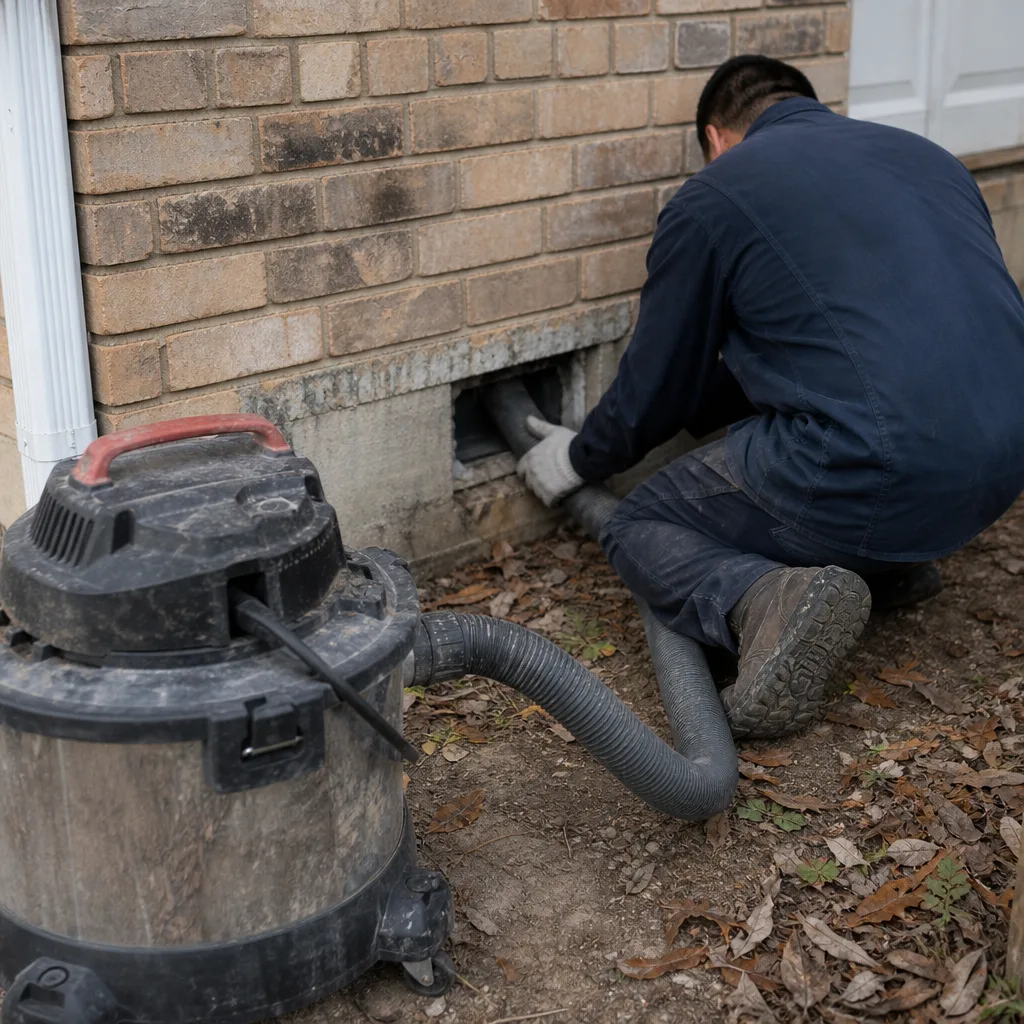
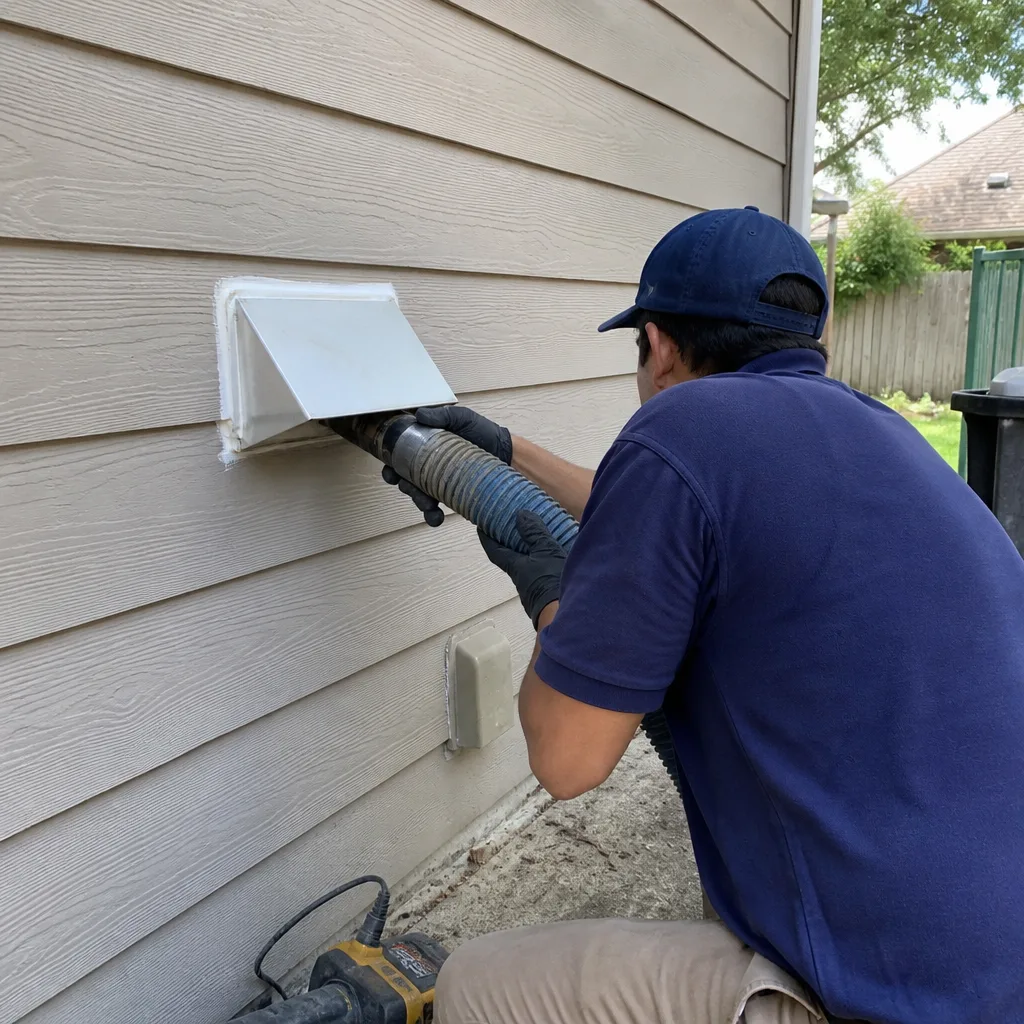
- Skipping the dryer vent. Dryer vents share the same general neglect profile as air ducts, and in Houston’s humid air, a clogged dryer vent is both a fire risk and a mold risk in the lint buildup. Many companies that clean ducts also offer dryer vent cleaning in Houston at the same visit, and bundling is often more cost-effective than two separate appointments.
- Not asking who is doing the work. Some Houston companies book the job themselves and then sub it out to an unknown crew. Ask who comes to your home, whether they’re background-checked employees, and whether they work to a written standard like the Cedarwell Care Promise. If the answer makes you uncomfortable, call someone else.
When to Call a Professional
Duct cleaning is not a DIY project (read our DIY vs Professional Air Duct Cleaning: The Houston Homeowner’s Decision Guide), and it’s not something to hand to whoever gives the lowest bid. You should call a professional when you see visible dust streaking from the registers, when a musty or damp odor comes through the vents when the AC cycles on, when family members wake up congested every morning regardless of the season, or when you’ve completed any renovation that produced fine dust. You should also call if you’ve lived in your Houston home for more than five years and can’t remember if the ducts have ever been done.
Mortons Air Duct Houston offers free estimates in Houston, and a live person answers the phone 24/7. Call (940) 314-5008 to get a written price for your home’s specific system before any work starts.
Frequently Asked Questions
In Houston, expect to pay $350 to $650 for a complete cleaning of a typical single-family home, depending on the number of systems, the number of duct runs, and the level of buildup. Anything under $300 is almost certainly a partial job or a bait-and-switch. Call (940) 314-5008 for a free estimate with a written price before any work starts.
Cheap quotes usually mean the company is only cleaning the supply ducts, skipping the return side and coil, or planning to upsell you once the crew arrives. Houston’s humidity creates a compacted dust film that takes real mechanical agitation to remove. That work takes time, and time costs money. If the price is too low to cover a 3 to 5 hour job with professional equipment, it’s not the same service.
Ask for before-and-after photos of the inside of the ducts, the return side, and the coil. A legitimate company will provide them without hesitation. Morton’s Air Duct Houston includes a photo of the clean-up before the crew leaves on every job, so you can see exactly what was done.
Every 3 to 5 years is the right range for most Houston homes, with pet-owning households and families with allergy sufferers trending closer to every 3 years. Houston’s 70% plus humidity and 9 to 10 months of annual AC run time put roughly double the particulate load on ductwork compared to drier and cooler cities.
Duct cleaning doesn’t dehumidify your home, but it removes the damp, compacted dust that holds moisture inside the ducts and contributes to musty odors when the AC runs. Clean duct surfaces dry more quickly and hold less material for mold and dust mites to feed on. For full humidity control, a dehumidifier or HVAC-integrated solution may also be needed, but a clean system is the necessary starting point. Browse our more guides & resources for additional Houston-specific home maintenance tips.
Supply ducts carry conditioned air from the air handler into the rooms. Return ducts pull room air back to the air handler. They’re two halves of the same loop, and cleaning only one side means the unclean side re-contaminates the clean side within weeks. Every complete duct cleaning job should include both, plus the coil and blower. Call (940) 314-5008 to confirm exactly what’s covered in your quote.
The Bottom Line
Houston’s ductwork lives a harder life than ductwork almost anywhere else in the country. The humidity, the slab foundations, the attic-run trunk lines, and the relentless AC run time all combine to create a specific kind of buildup that a generic cleaning won’t fully remove. A proper Houston duct cleaning is a 3 to 5 hour job that covers both supply and return ducts, the blower, the coil, and the plenums, using HEPA-filtered professional equipment, with protection for your floors and furniture throughout, and visual proof when it’s done. The honest price range is $350 to $650 for a typical home, and it should be written down before anything starts. If you’d like to see what a real, complete clean looks like in your home, call Mortons Air Duct Houston at (940) 314-5008 for a free estimate. We’ve been serving Houston since 2005, and we’ll tell you exactly what we’ll do and exactly what it will cost before a single shoe cover goes on.
Written by Paul Adeyemi, Owner at Mortons Air Duct Houston, serving Houston since 2005.
See the difference
 Before
 After
After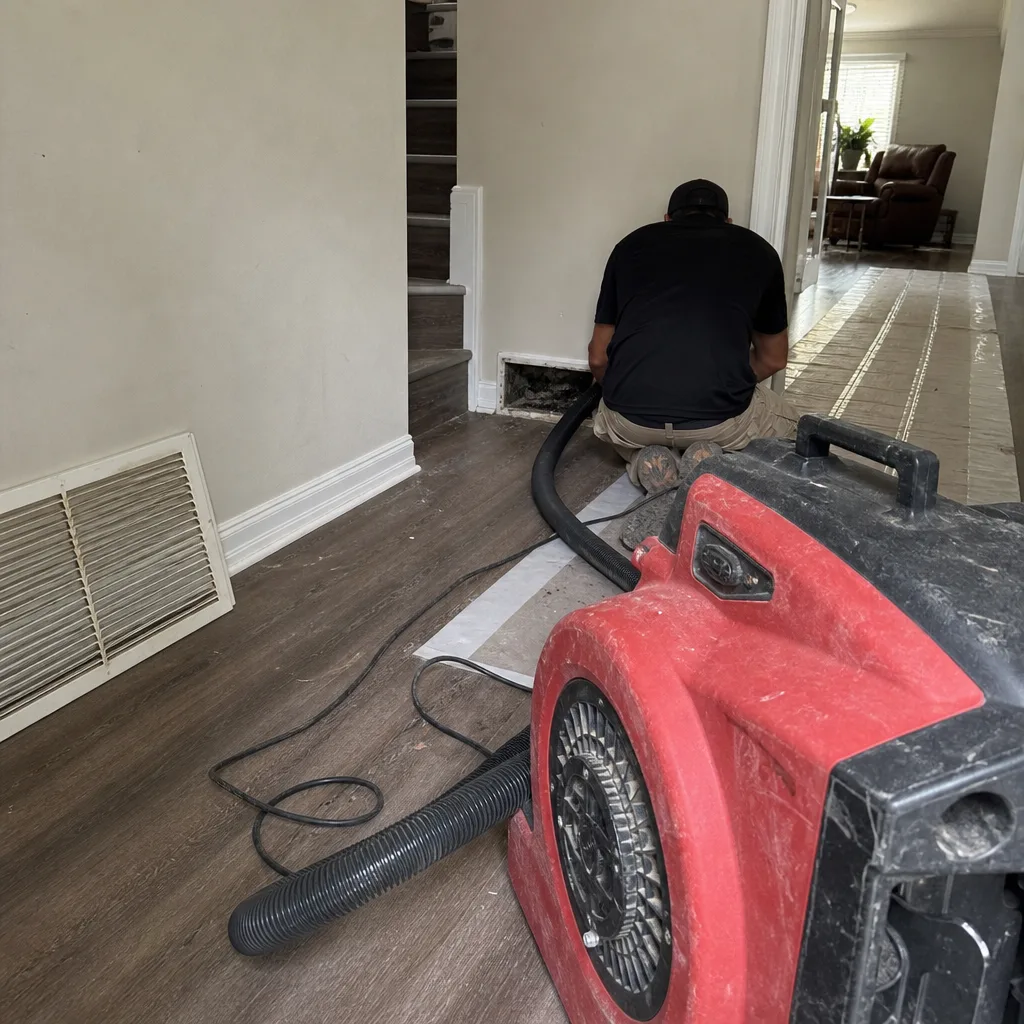 Before
 After
After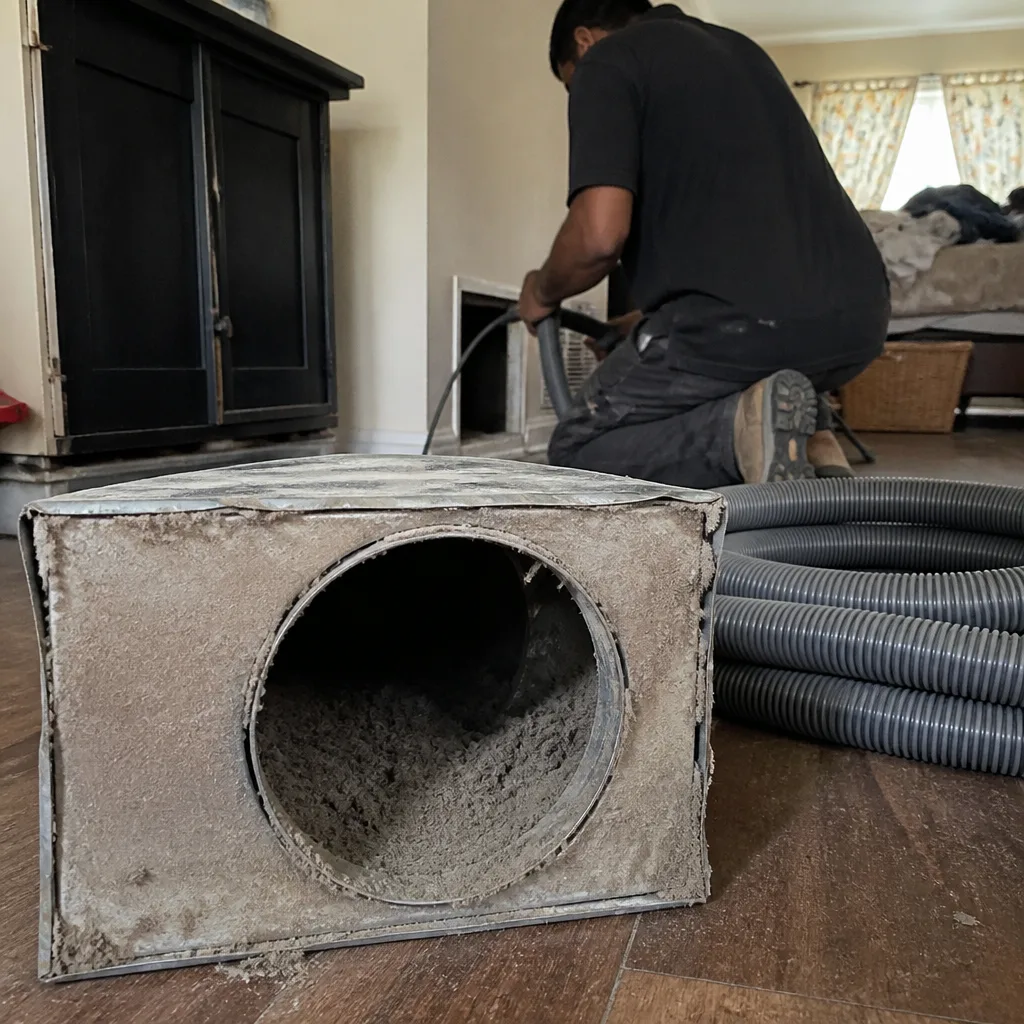 Before
 After
After