
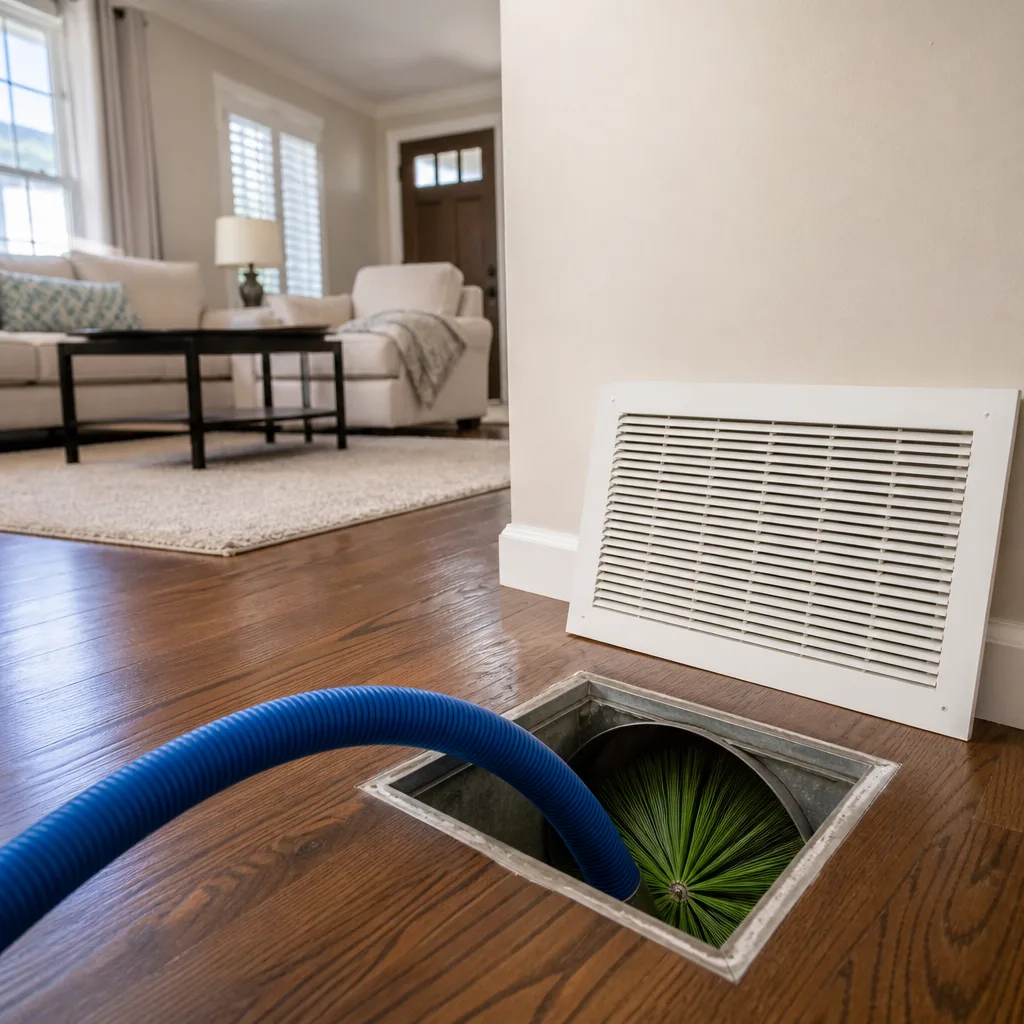
 Whole-home duct cleaning
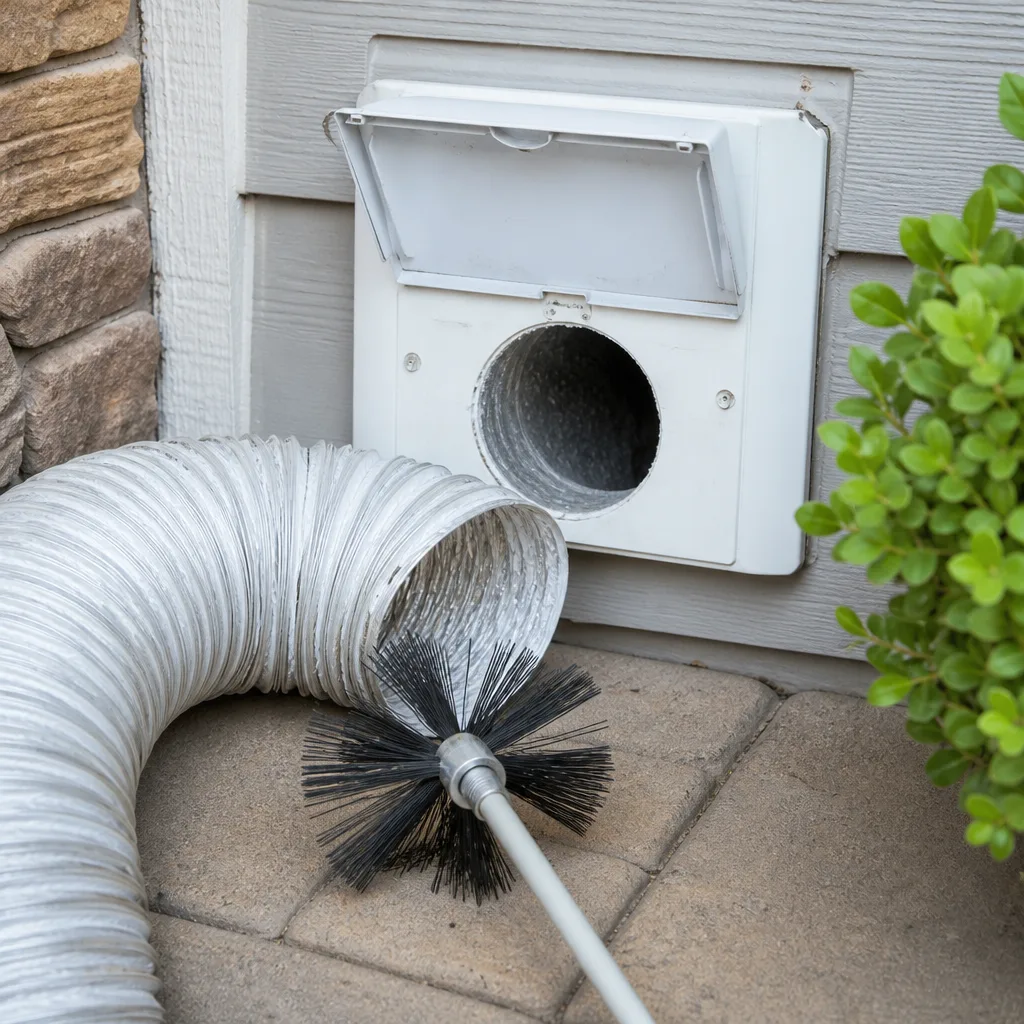 Dryer vent cleaning
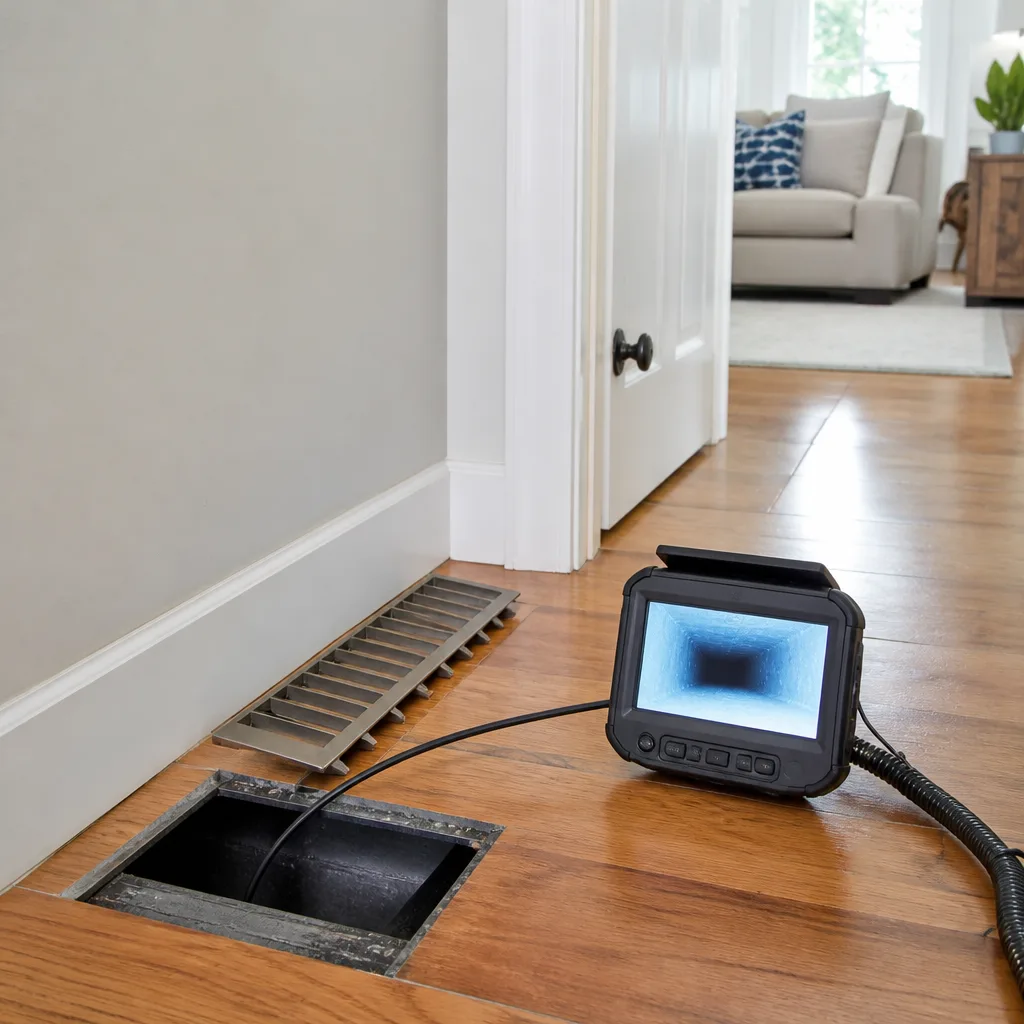 Camera inspection
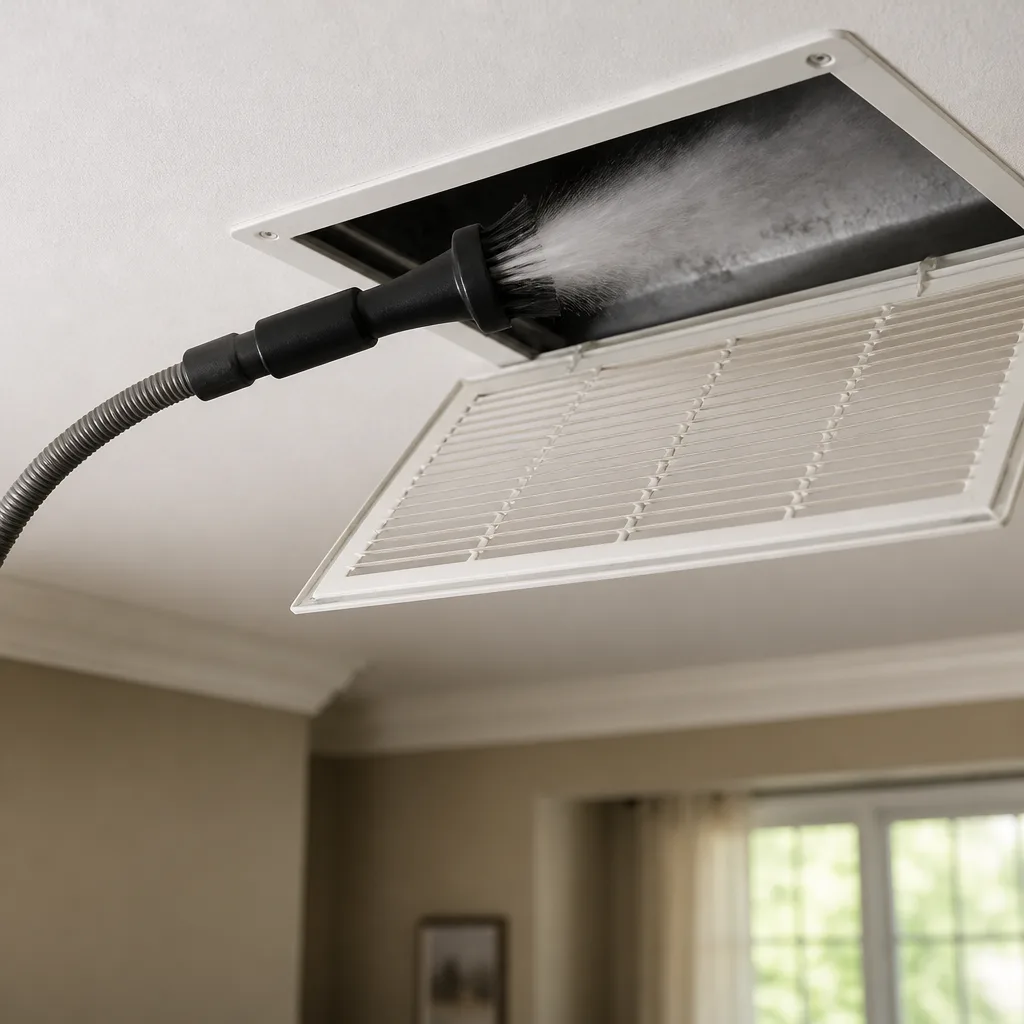 Sanitizing & deodorizing
Whole-system duct and dryer vent check with before-and-after photos - you see exactly what came out of your vents
That "$99 whole-house special" is a bait ad - the real number appears once they are in your hallway, or the "clean" is a shop-vac at the register. We photograph the inside of your ducts before and after instead.
Honeywell Coil Cleaning: The Houston Owner’s Guide
Honeywell coil cleaning on a Houston HVAC system typically runs $180 to $420 as a standalone service, and we stock the right cleaners, coil combs, and rinse equipment to do it properly without damaging fins or electronics. Most owners discover the need when their AC runs longer than it used to, or when the air coming out of the registers smells faintly musty even after changing the filter. In Houston’s humidity, evaporator coils in Honeywell-matched air handlers collect a film of dust, pet hair, and biological growth that hardens over a season, and by July the system is working noticeably harder. We clean coils on Honeywell equipment across Houston regularly, and we’ll tell you exactly what we see, what it’ll take, and what it’ll cost, before we touch a thing.
Key Takeaways:
- Honeywell coil cleaning in Houston runs $180 – $420 installed, depending on access and coil depth.
- Most Honeywell air handler and packaged unit coils can be cleaned in place without pulling the coil.
- We quote a flat price for the whole job before work starts, never per coil face or per hour.
- Houston humidity means coils here foul faster than drier climates, roughly every 18 – 30 months.
Which Honeywell Models This Applies To
The coil cleaning process we use covers Honeywell whole-house air handlers, Honeywell-matched evaporator coils paired with Lennox, Trane, and Carrier condensers, and Honeywell electronic air cleaner cells that sit upstream of a residential coil. The wrinkle with Honeywell equipment is that many units built after 2010 use a Trane or ADP coil cabinet with a Honeywell control interface, and identifying the actual coil means reading the label on the cabinet, not the thermostat. You’ll find the coil model on a metal tag screwed to the cabinet front or stamped into the access panel’s inside edge, usually a string like HC-36 or a full ADP number like C36A175. If you curl your fingers over the top inside edge of the access panel, the tag is often hidden by insulation and dust.
For Honeywell electronic air cleaner cells, the model number is screen-printed on the end plate or the power door, typically F50, F300, or F58 series. Those cells can be pulled and washed, but the coil behind them needs a different approach than a standard foam-and-rinse, because Honeywell cabinets on many Houston homes are tighter than the national average, especially up in the Heights where retrofits were shoehorned into closets built for smaller equipment. We can clean most Honeywell coils in place from inside the plenum, and we’ll tell you if yours needs to come out for proper access. On the OEM-versus-aftermarket question for coil cleaning, the cleaner formulation matters more than the brand name: we use a non-acidic, evaporator-rated cleaner that’s safe for aluminum fins and copper tubing, and we rinse with low-pressure water so the fin pack stays intact.
Styles & brands we work with
Signs Your Honeywell Coil Cleaning Is Failing
- Longer runtimes with no change in thermostat setting: a dirty coil insulates the refrigerant from the airflow, so the system runs longer to pull the same heat out of the house. Homeowners notice the AC kicking on earlier in the afternoon and still running at midnight.
- Musty or sour smell from the registers during the first few minutes of a cycle: Houston’s elevated humidity feeds biological growth on the wet coil face, and the initial blast of air carries that odor into the living space. This smell clears as the coil dries slightly mid-cycle, then returns the next time the system starts.
- Reduced airflow at the registers even with a clean filter: a fouled Honeywell coil is the single most common airflow restriction we find in Houston homes after the filter. If the filter’s new and the registers still feel weak, the coil is the next thing to check.
- Ice forming on the suction line or the coil cabinet exterior: a severely blocked coil can cause the refrigerant to run too cold, frosting the line and potentially slugging the compressor. This is the point where delaying makes the repair more expensive.
- Condensate pan overflowing or staining around the air handler: as the coil surface fouls, condensation drips off unevenly and can miss the pan, staining the cabinet base or the closet floor. In older Houston homes with the air handler in an interior closet, this staining is usually the first visible sign.
See the difference
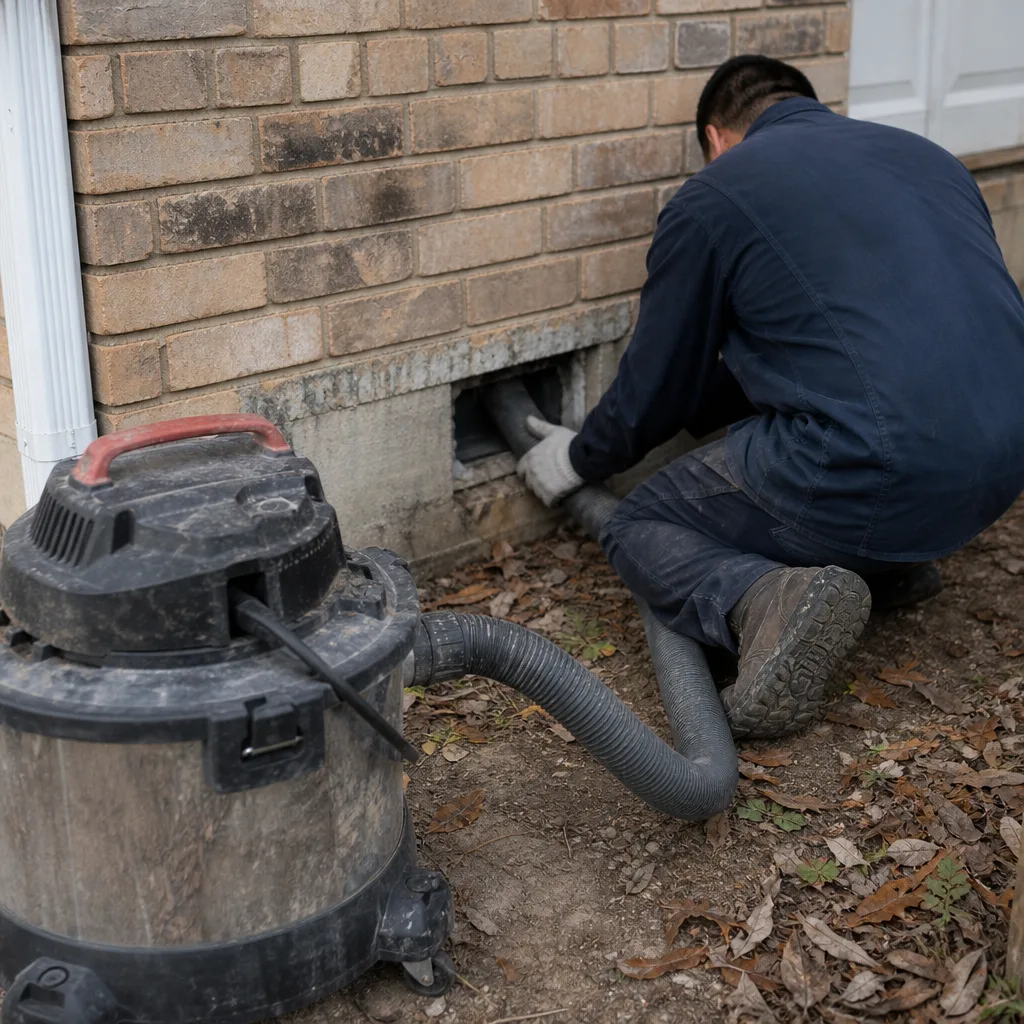 Before
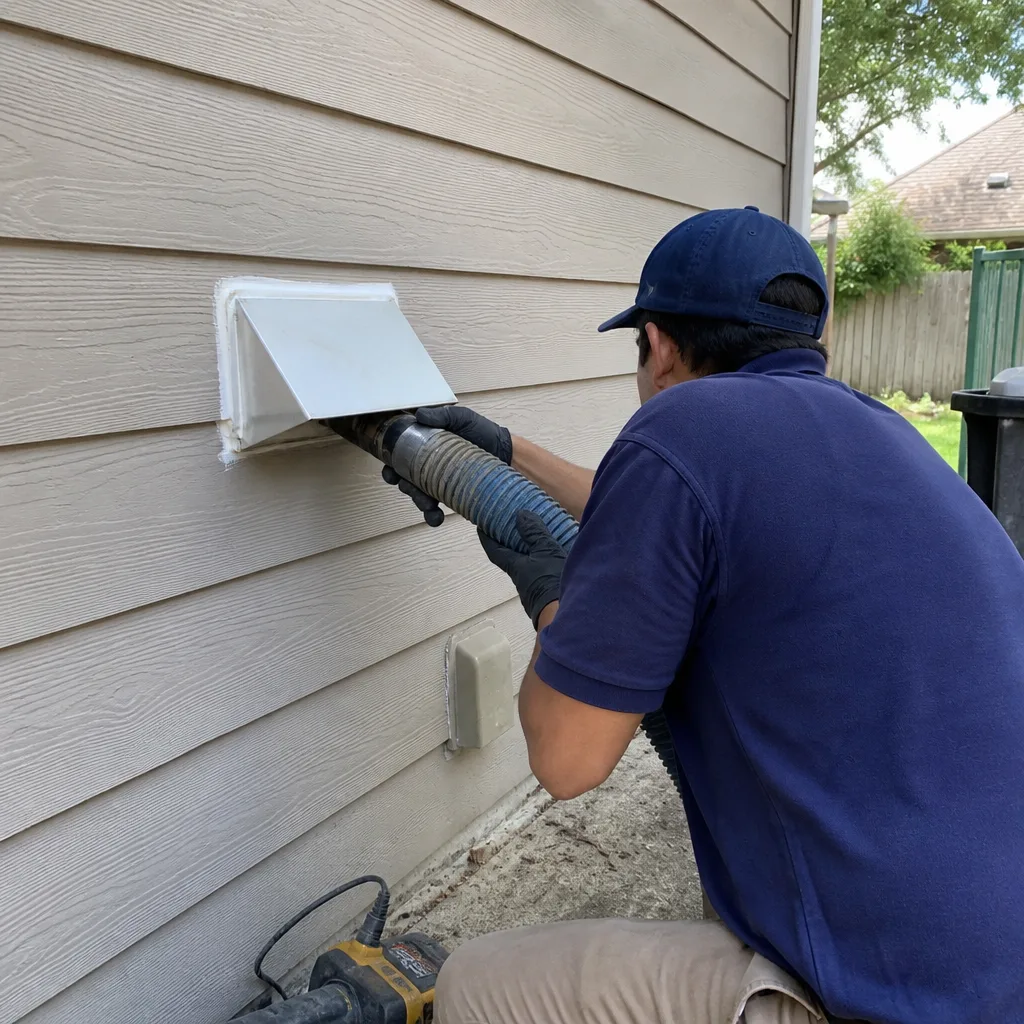 After
After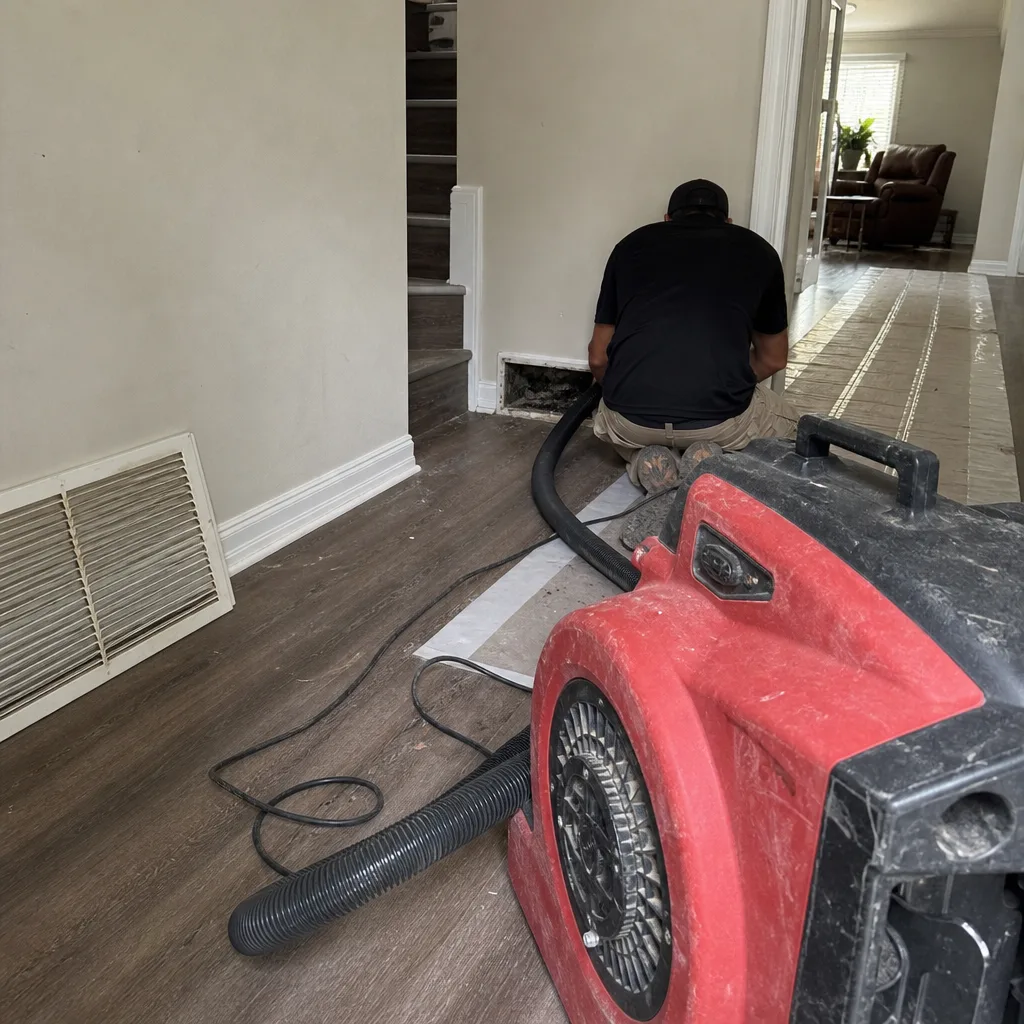 Before
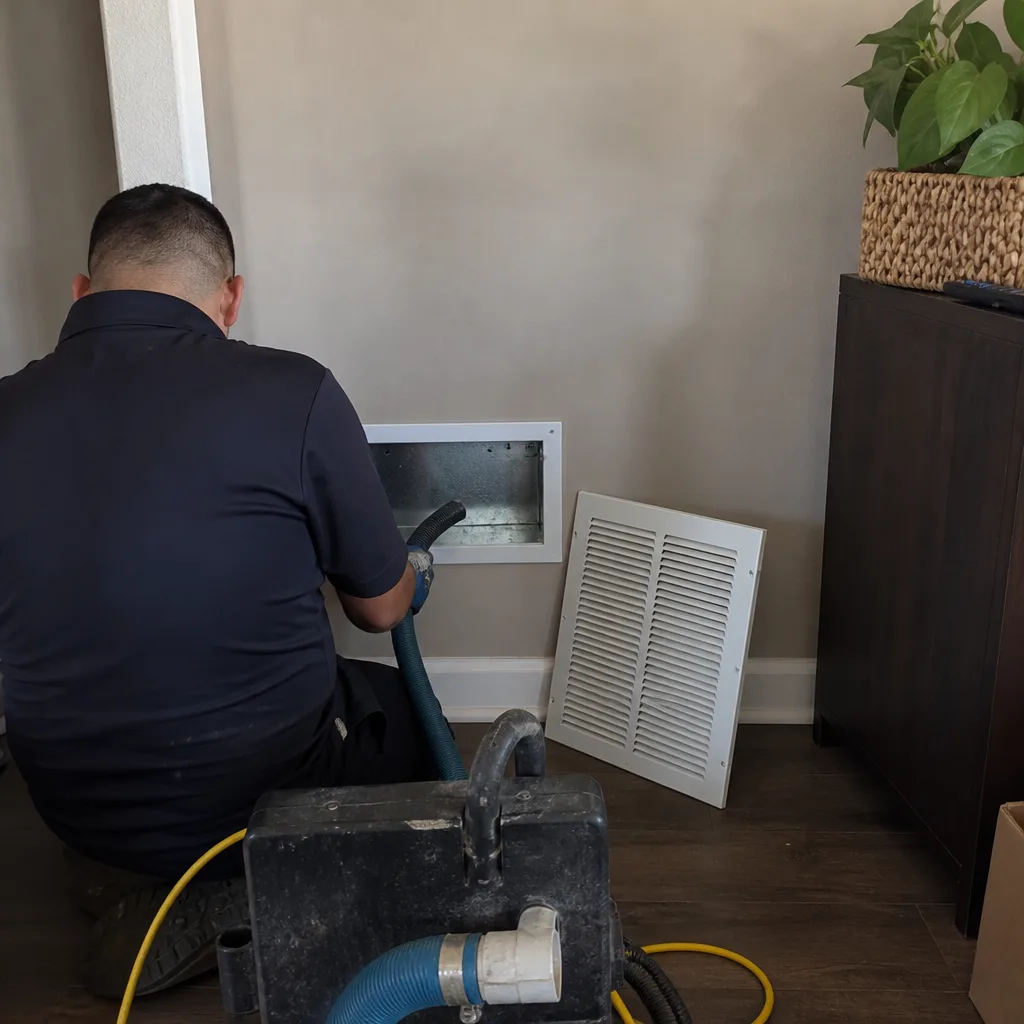 After
After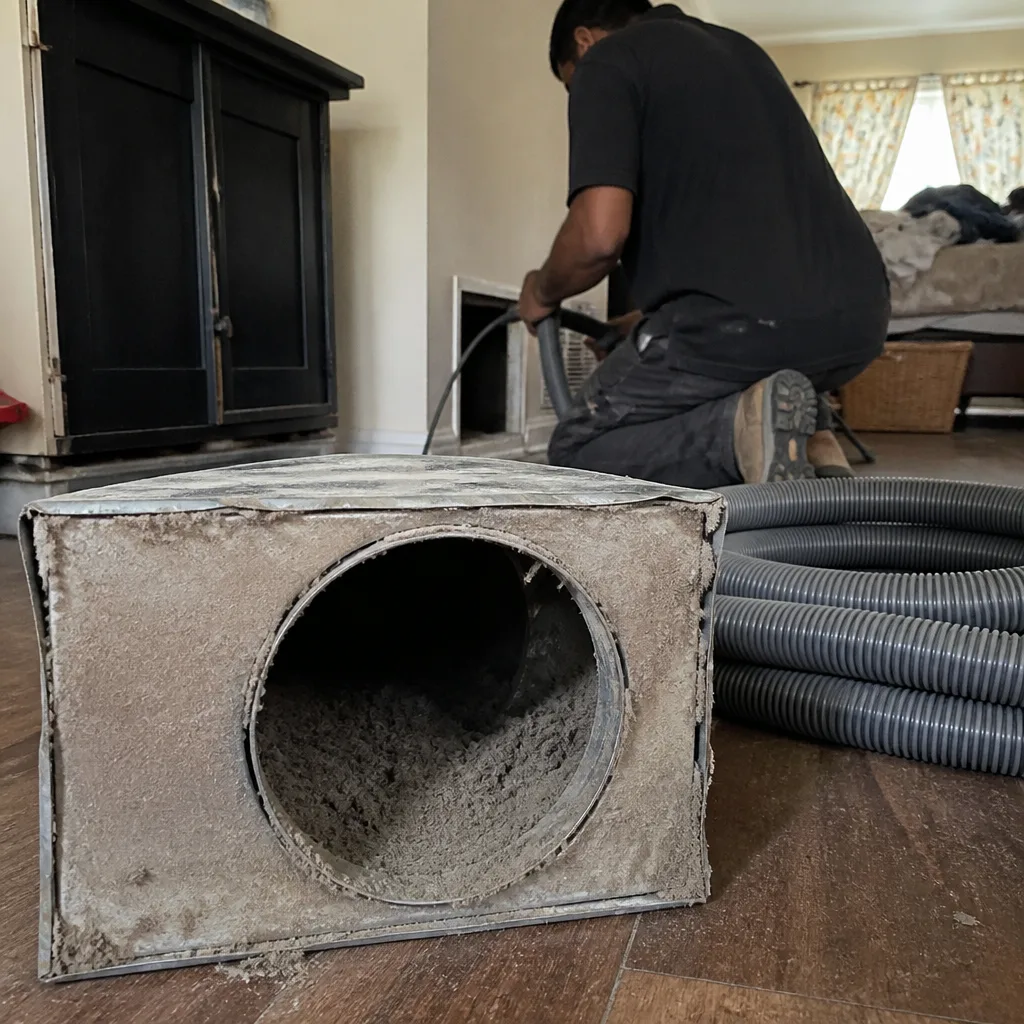 Before
 After
AfterReplacement Cost & What’s Included
Honeywell coil cleaning in the Houston market runs $180 – $420 for most residential systems. The range depends on three things: whether the coil is accessible from a single panel or requires pulling the air handler apart, whether it’s a simple aluminum slab coil or a multi-row deep coil, and whether the system has an electronic air cleaner cell that also needs washing. A straightforward single-access slab coil in an attic air handler is the lower end. A deep coil in a closet-mounted Honeywell unit, where the technician has to work on his side with drop cloths under him, lands higher.
Every coil cleaning quote from Morton’s Air Duct Houston is a flat price for the whole job, written down before we start. The price includes chemical cleaning, fin combing where needed, drain pan inspection, and a photo of the coil before and after. If the drain line is clogged, we’ll clear it as part of the same visit and tell you about it before the invoice changes. The 365-Day Done Right Promise applies to coil work the same as duct cleaning: if the coil isn’t clean when we leave, we come back and make it right. No charge, no argument.
DIY or Call Us?
You can safely check a few things without touching a refrigerant line or an electrical panel: look at the filter, look at the condensate pan through the access panel if it’s visible, and smell the air at the first register in the morning. Checking is fine. But cleaning a Honeywell coil yourself is where a good Saturday goes wrong. The coil sits inside a sealed cabinet with line voltage running through the control board, and the fins bend if you sneeze on them wrong. A bent fin pack ruins airflow and costs more to straighten than the cleaning would have cost in the first place.
Paul Adeyemi, the owner, learned coil work the slow way at Los Angeles Trade-Technical College and has since spent nearly two decades pulling the same access panels in Houston attics and closets. He’s seen the do-it-yourself comb jobs that flattened half the coil. If you want to try it, we won’t stop you. But if you’d rather have a background-checked technician with the right cleaner, the right comb, and a photo of the finished coil before the panel goes back on, call us at (940) 314-5008.
FAQs
Most Houston systems need a coil cleaning every 18 to 30 months, sooner if you have shedding pets, run the fan on “on” instead of “auto,” or live in a house where renovations put drywall dust into the return air. Houston’s humidity accelerates film formation on the coil face compared to drier Texas cities. If your system runs year-round, check the coil annually. Call (940) 314-5008 and we’ll give you an honest read on whether yours needs it now or can wait a season.
If the coil is only dirty, cleaning restores it well enough that repair isn’t needed in most cases. If the coil is leaking refrigerant, damaged by corrosion, or the fins are folded flat, cleaning won’t fix it and the realistic path is coil replacement. We’ll tell you plainly which situation you have before quoting any work. Sometimes the honest answer saves you money, and that’s the answer we’d rather give.
Most residential Honeywell coil cleanings in Houston take 1.5 to 2.5 hours from the moment we arrive to the moment we show you the after photo. Deep coils, hard-to-access closet units, or a clogged drain line add time. We work around your schedule, including nap hours if you’ve got young kids, and we keep noise low while the work is happening.
We stock evaporator-safe coil cleaner, fin combs, rinse pumps, and drain line treatment on the truck, so there’s no running to a supply house in the middle of your job. For replacement Honeywell parts like control boards, limit switches, and certain air cleaner cells, we may need to order for a next-day install. We’ll tell you up front what’s on the truck and what isn’t. Morton’s Air Duct Houston is an independent Houston service provider, not affiliated with Honeywell, but we work on Honeywell equipment weekly.
If your Honeywell coil hasn’t been cleaned in two Houston summers, call Morton’s Air Duct Houston at (940) 314-5008 for a free estimate. We’ll give you a written price before the first panel comes off, protect your floors with shoe covers and drop cloths, and show you a photo of the clean coil before we leave. A live person in Houston answers the phone, day or night.
Written by Paul Adeyemi, Owner, Mortons Air Duct Houston at Mortons Air Duct Houston, serving Houston and nearby areas.