
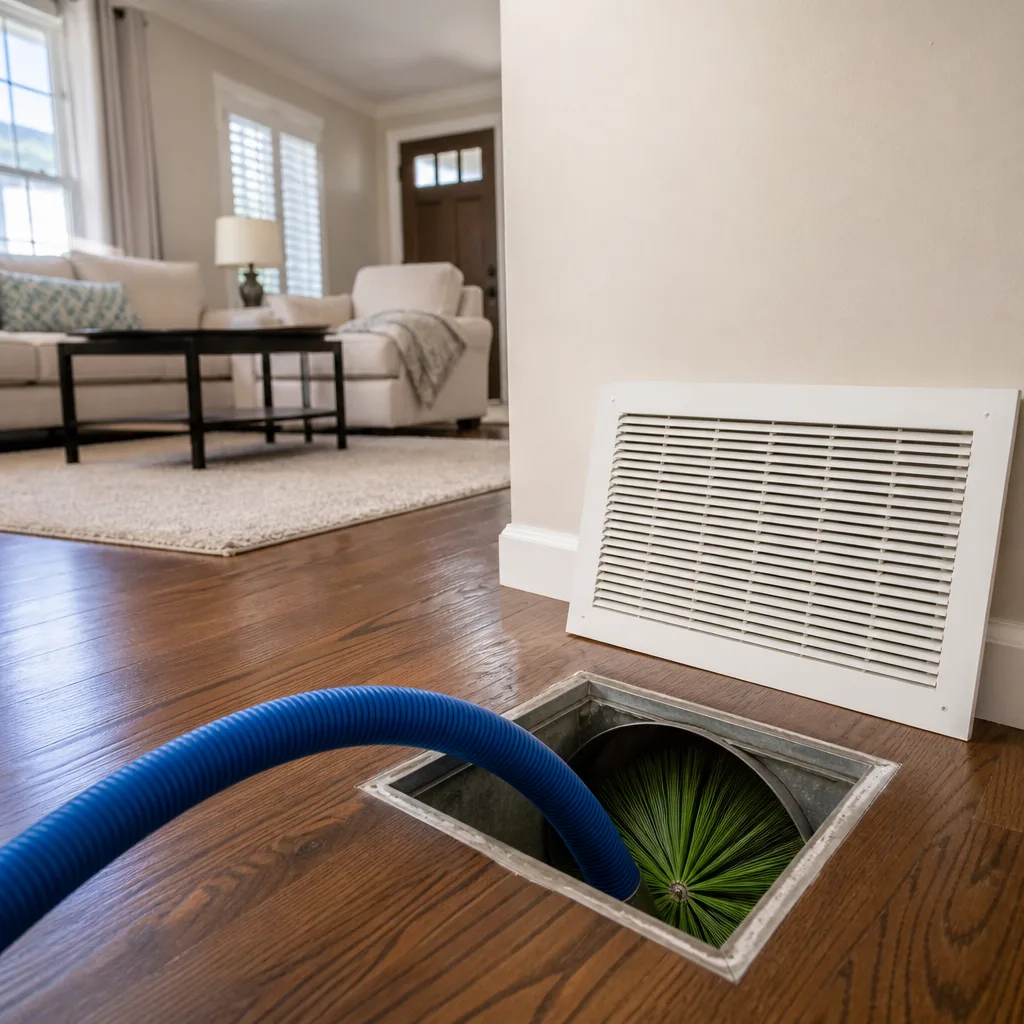
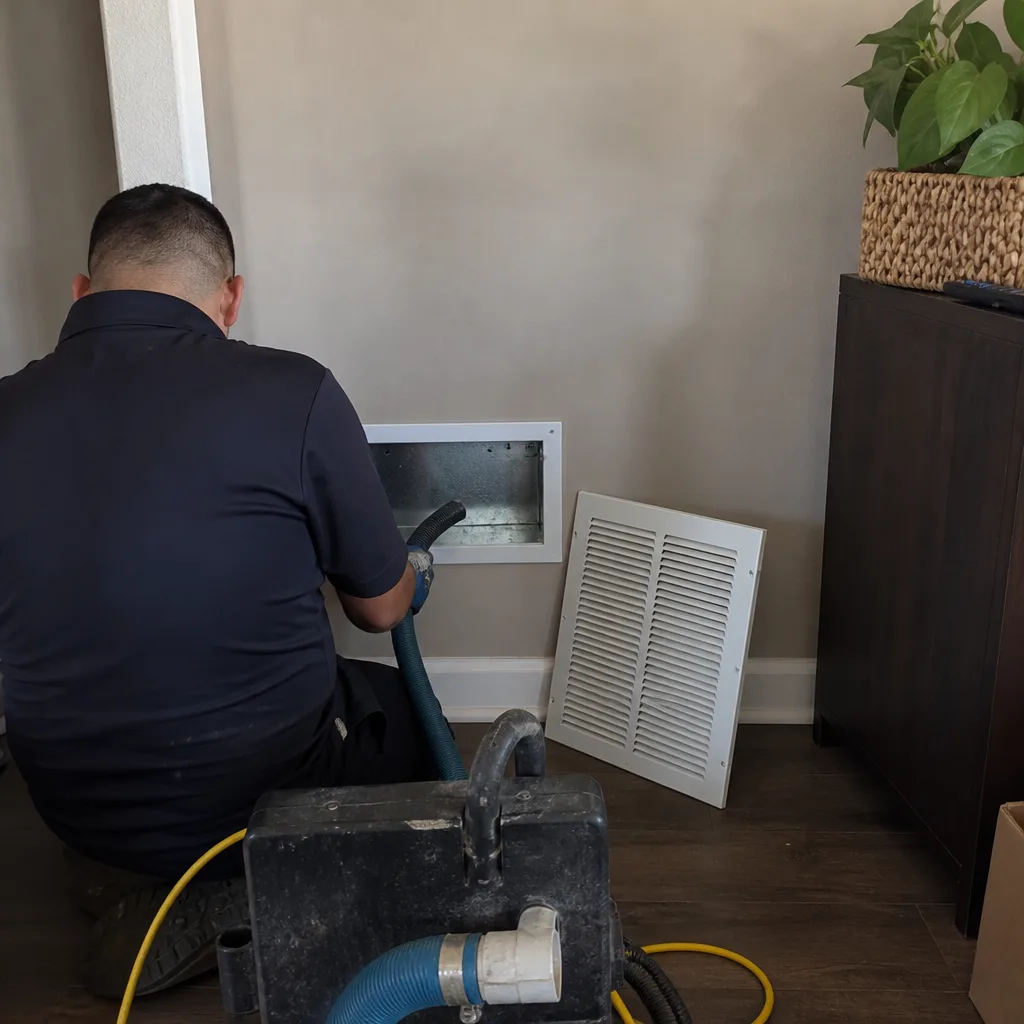
 Whole-home duct cleaning
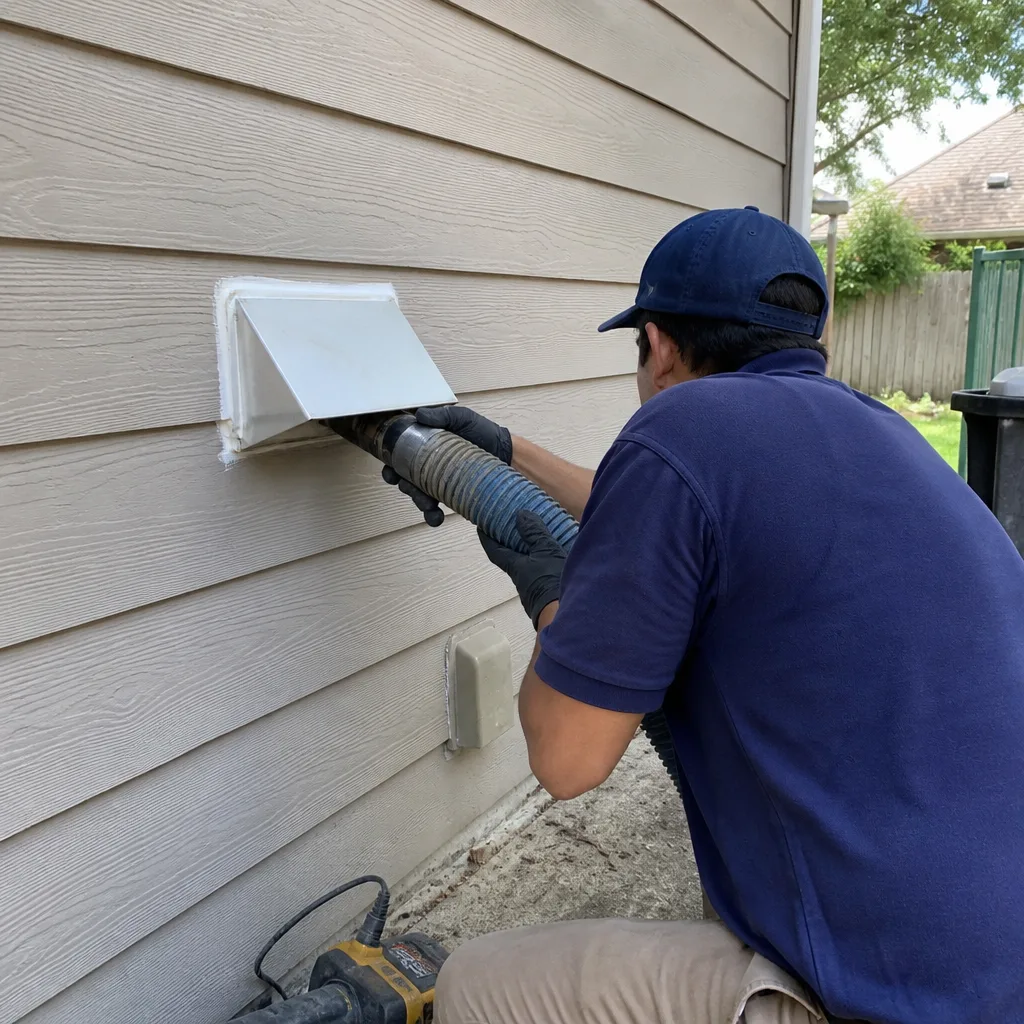
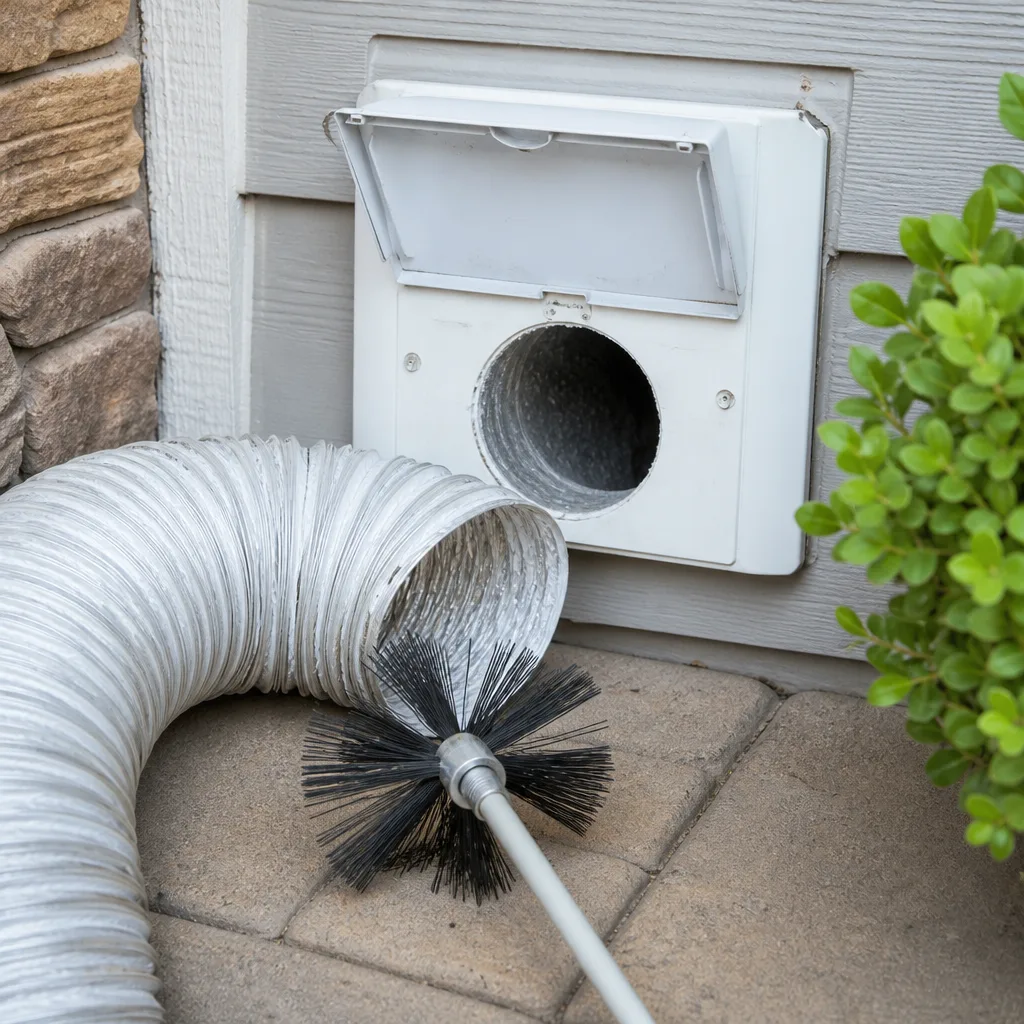 Dryer vent cleaning
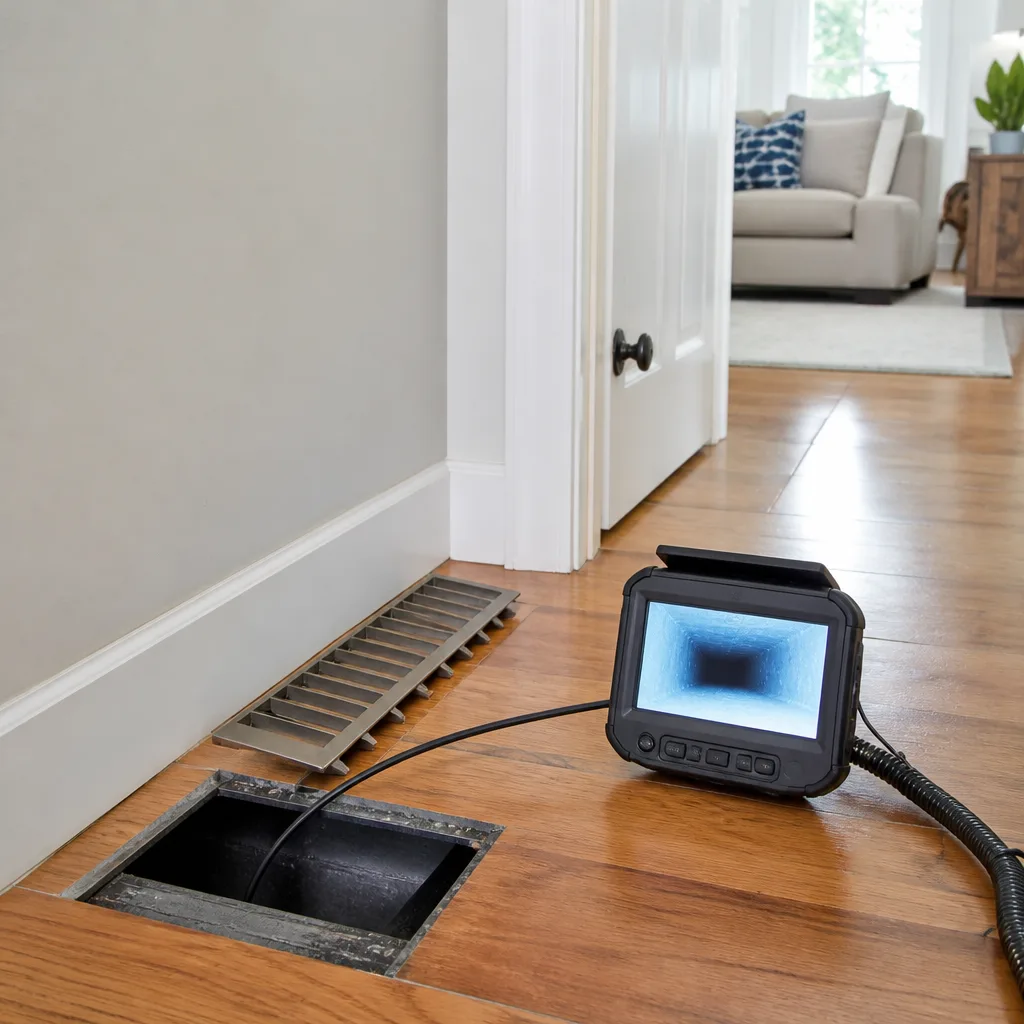 Camera inspection
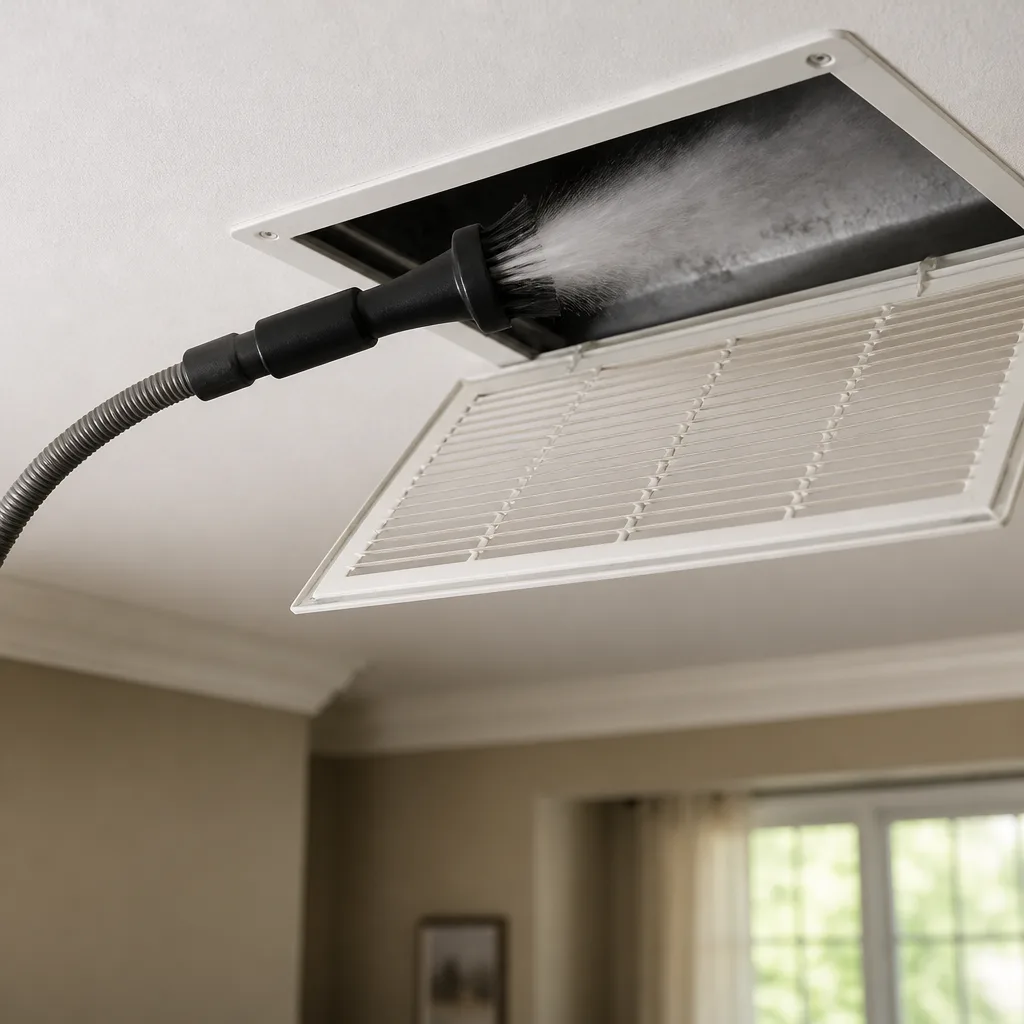 Sanitizing & deodorizing
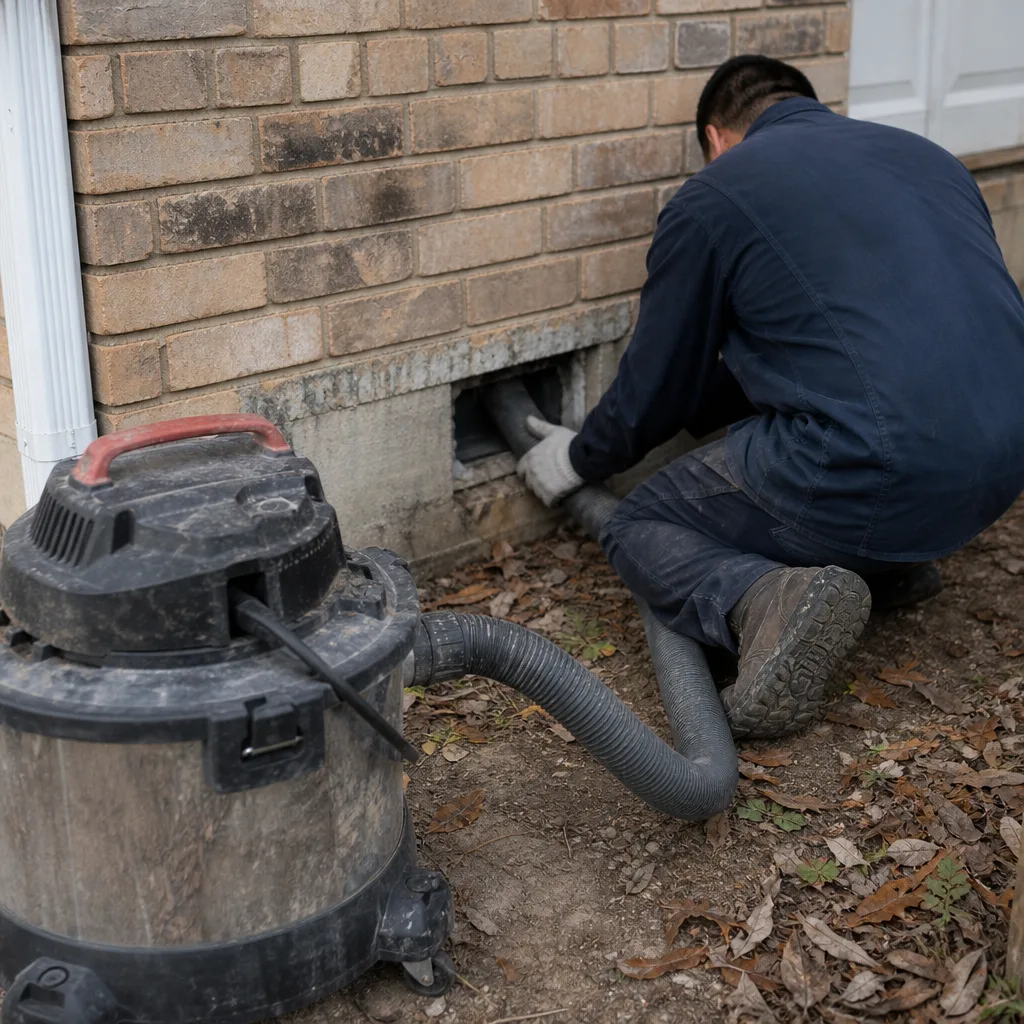
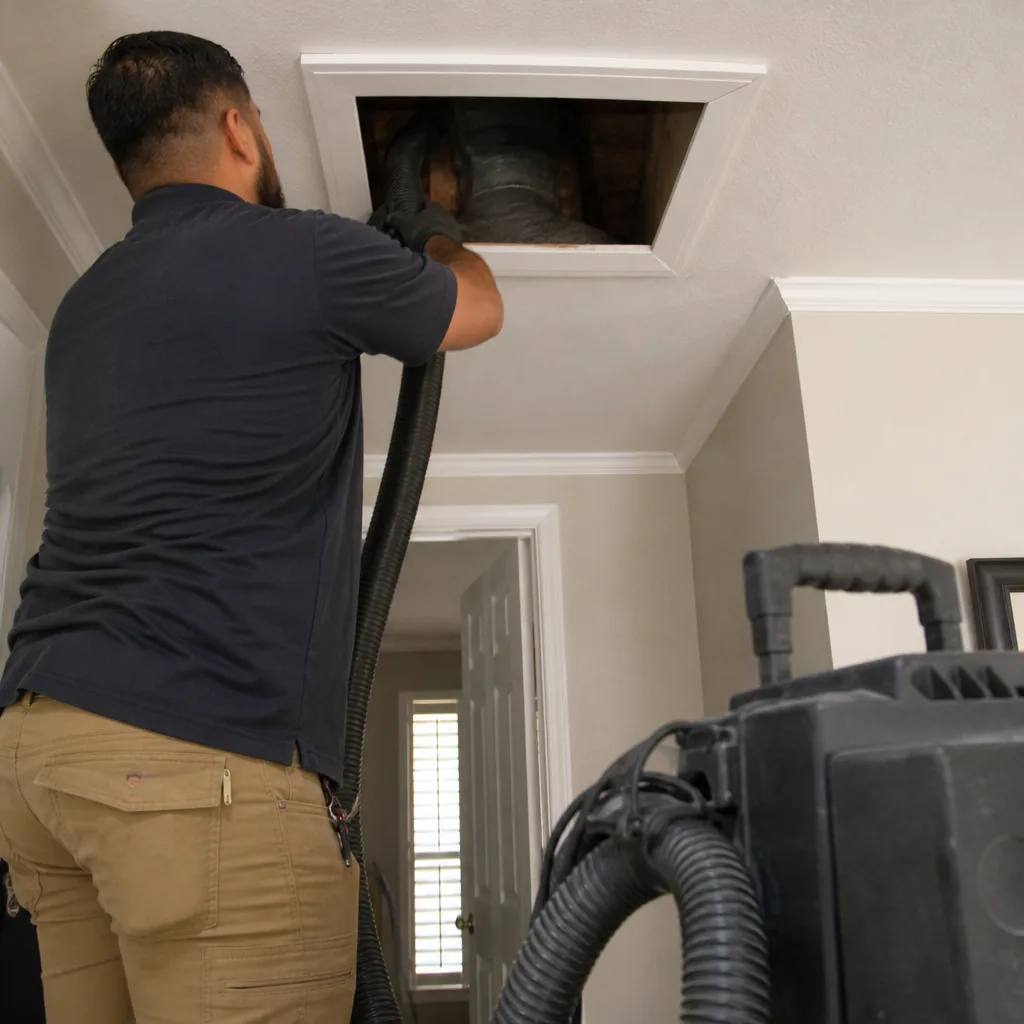
Whole-system duct and dryer vent check with before-and-after photos - you see exactly what came out of your vents
That "$99 whole-house special" is a bait ad - the real number appears once they are in your hallway, or the "clean" is a shop-vac at the register. We photograph the inside of your ducts before and after instead.
Honeywell Duct Sealing & Repair: The Houston Owner’s Guide
If your Honeywell duct sealing or repair component has failed, we stock and install Honeywell-compatible replacement parts across Houston, with most jobs completed in a single visit and typical installed prices ranging from $180 to $520 depending on the specific part and how much of the duct run needs attention. The most common way homeowners discover a failed Honeywell duct component is through a hot or cold room that won’t respond to thermostat changes, or a sudden spike in the electric bill during Houston’s July-to-September stretch when the AC runs nearly nonstop. We also hear from owners who notice dust around specific registers, faint whistling behind walls, or a musty smell that comes and goes with the HVAC cycle. When that happens, the first question is usually whether the Honeywell part can be matched, and the answer is almost always yes.
We’re an independent HVAC duct service provider, not affiliated with Honeywell. But we’ve worked with enough Honeywell equipment in Houston homes to know exactly which parts fail, how they’re matched, and what it should cost to make it right. Paul Adeyemi and the rest of the crew have pulled apart more than a few Honeywell duct systems in older homes in the Heights and Montrose, and we’ll tell you what we see, what it’ll take, and what it’ll cost, before we touch a thing.
Key takeaways:
- Most Honeywell duct sealing and repair jobs in Houston run $180 to $520 installed, parts and labor included.
- We stock common Honeywell-compatible replacement parts on the truck, including sealing collars, damper actuators, and access-panel gaskets.
- Written price before work starts, every time. No surprises on the invoice.
- Backed by our 365-Day Done Right Promise and the Cedarwell Care Promise.
- Call (940) 314-5008 and a live person answers, not a voicemail.
Which Honeywell Models This Applies To
Honeywell duct sealing and repair components appear across several product lines, and the compatibility details matter more than most homeowners realize. The sealing components most commonly found in Houston homes are tied to Honeywell’s TrueZONE damper systems, the Homex line of register boxes and takeoff collars, and the Honeywell DR-Series and ER-Series fresh air and energy recovery ventilation components that connect into residential ductwork. Each line uses its own sealing and connection specification, and a damper gasket from a TrueZONE system won’t seat properly on a Homex takeoff collar without modification.
Identifying your specific part usually comes down to the label plate. Honeywell stamps the model number on the component body or on the access panel of the damper housing. If the label is worn or painted over, which happens in a lot of Houston homes, a measurement of the duct opening and the bolt pattern on the sealing collar gets us to the right match quickly. For Honeywell equipment specifically, OEM sealing parts are often the best value. Honeywell’s sealing gaskets and collars are priced reasonably compared to what some aftermarket suppliers charge for generic equivalents that don’t seat as tightly. Where aftermarket parts make sense, we’ll tell you that too, but on Honeywell systems, OEM is usually the call we make unless the part is discontinued.
Styles & brands we work with
Signs Your Honeywell Duct Sealing & Repair Is Failing
Not every HVAC issue traces back to the duct sealing components, but these symptoms are the ones that usually point us there. Check the list and see which of these matches what you’re noticing in your home:
- Hot rooms and cold rooms at the same time. A failed Honeywell damper actuator or a sealing gasket that’s no longer sealing means conditioned air isn’t being directed where it should go. One bedroom feels like a meat locker while the other feels like a Houston sidewalk in August.
- Whistling, hissing, or fluttering sounds behind walls or ceilings. When a sealing collar comes loose at a takeoff, air escapes around the connection. Houston homes with older rigid duct runs in the attic or between floors are especially prone to this in the heat when the pressure in the system builds.
- Dust or insulation accumulating around ceiling registers. A failed seal on a Honeywell register box lets attic air, insulation, and dust get pulled into the conditioned air stream. If you wipe the register and it’s dirty again in a week, check the seal.
- Electricity bill climbing without a change in usage patterns. Pressurized air escaping through a failed duct seal in a Houston attic means your system runs longer to hit the same temperature. The leak is often invisible, but the bill tells on it.
- Musty or attic-like smell when the fan kicks on. A breached seal lets unfiltered attic air enter the system. Houston’s humidity makes this worse, because the air being pulled in is damp and carries whatever is up there – insulation, dust, or worse.
See the difference
 Before
 After
After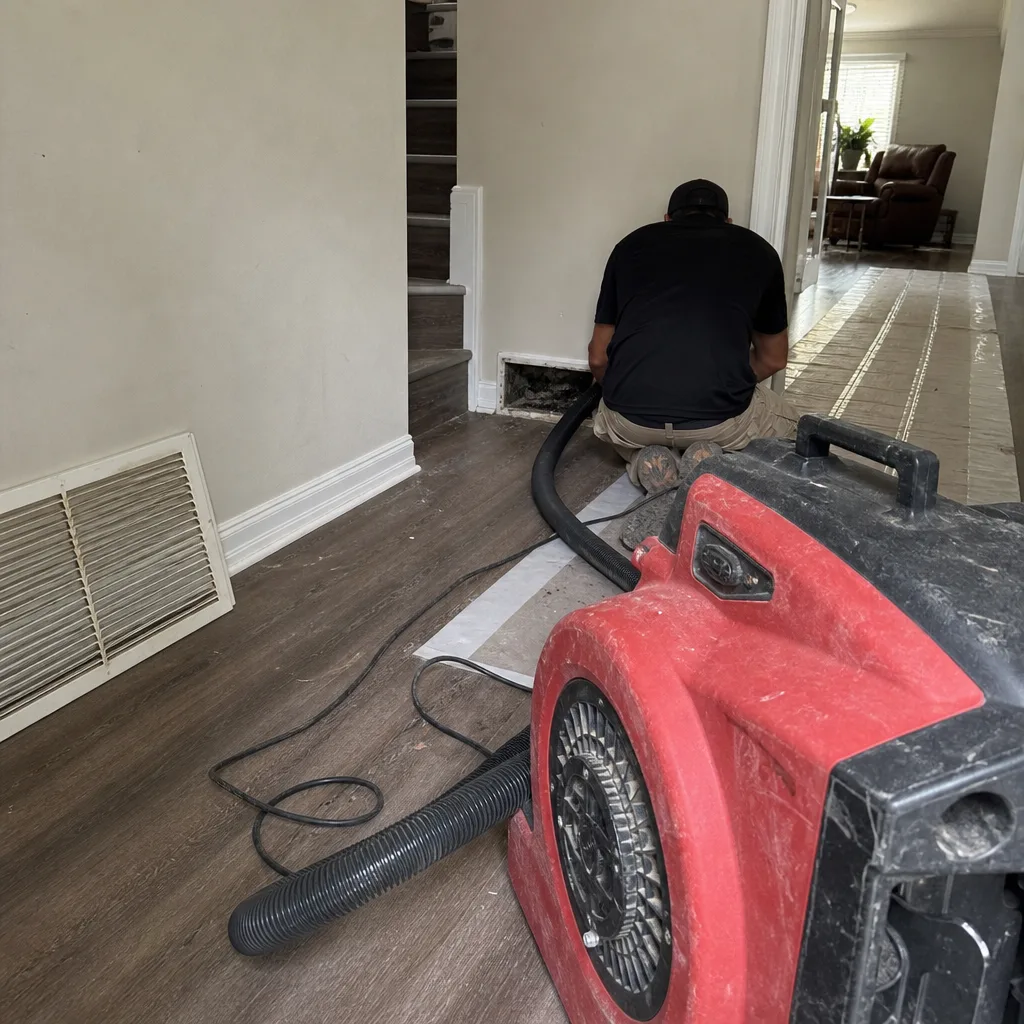 Before
 After
After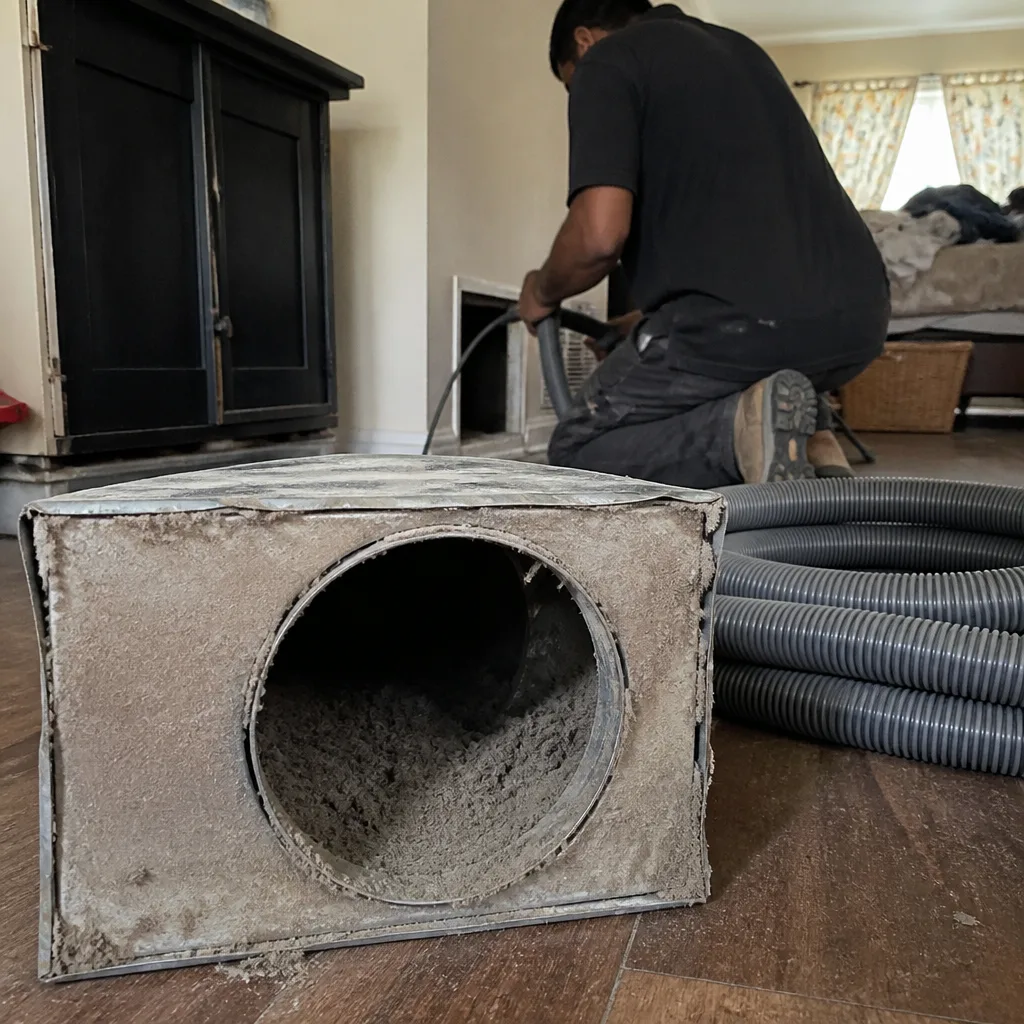 Before
 After
AfterReplacement Cost & What’s Included
The honest price range for Honeywell duct sealing and repair work in Houston runs from $180 to $520 installed. That’s the full job, not a teaser price that inflates once the van is in the driveway. Sealing gaskets and small damper actuator replacements usually sit at the lower end of that range. Replacing a complete Honeywell TrueZONE damper housing or rebuilding a failed takeoff collar connection lands at the higher end. What drives the difference is which specific part failed, how accessible it is in your home (attic, crawl, between floors), and whether there is secondary damage to the duct run itself from the leak.
What’s included in the price:
- Written price before any work starts, agreed to ahead of time, with no per-vent or per-part additions once we’re in the attic.
- The Honeywell-compatible part itself, matched to the system and the failed component.
- Labor to remove the failed part, seat the replacement properly, and re-seal the connection.
- Verification that the rest of the run isn’t compromised, with photos of the finished work before we leave.
- The 365-Day Done Right Promise backstopping every repair we make.
Some companies quote a low per-vent price to get in the door and then present an invoice that looks nothing like the bid. We don’t do that. We price the whole job before we start and the written price is what you pay. If it isn’t done right, Paul makes it right, full stop. That’s the kind of work Paul has done across Houston since he started cleaning and inspecting duct systems, and the reason most of our new business comes from homeowners who had a bad experience somewhere else.
DIY or Call Us?
There are a few checks a homeowner can safely do: visually inspect the visible registers and accessible duct connections for obvious gaps or dislodged collars, and listen for the hiss of escaping air when the system runs. That’s useful information to have when you call us. What we don’t recommend is trying to reseal or replace Honeywell components yourself if the issue is inside a wall cavity, in the attic, or involves a damper actuator wired into the zone control panel. Some of these parts are under spring tension, and the wiring on a Honeywell damper actuator carries low voltage that can still damage the control board if it’s crossed. Plus, Houston attics in the summer run well over 120 degrees, and working in that heat on flexible duct connections and sealing collars is a quick way to make a small problem worse. For anything beyond a visual check, call (940) 314-5008 and we’ll take it from there with the right part, the right tools, and a written price before we start.
FAQs
A well-seated Honeywell sealing component in Houston typically lasts seven to twelve years, though the combination of Houston humidity and attic heat can shorten that. We see failures most often in systems where the original install was rushed, or where the seal has been disturbed during other work like insulation installation or pest control treatment.
Some Honeywell sealing failures can be repaired with re-seating and proper mastic sealing, especially if the issue is a loose takeoff collar rather than a torn gasket or failed actuator. What makes repair viable is the condition of the underlying component and whether the sealing surface is still intact. We’ll tell you straight whether it’s a repair or a replacement and what each costs before any work starts. Call (940) 314-5008 for an exact quote on your system.
Most Honeywell duct sealing replacements in Houston take ninety minutes to three hours depending on attic access, how many connections are affected, and whether the part is straightforward or requires removal of surrounding ductwork to seat properly. We’ll give you a time estimate in the written quote so you can plan around a nap schedule or a quiet afternoon.
Our trucks carry common Honeywell sealing components and damper actuators so most jobs are done in the same visit. Less common Honeywell parts can usually be sourced by the next business day through our supplier network. If we need to order a specific part for your system, we’ll tell you exactly which one it is, what it costs, and when we’ll be back to install it. Call (940) 314-5008 and we’ll check availability for your model before we schedule.
Written by Paul Adeyemi, Owner, Mortons Air Duct Houston at Mortons Air Duct Houston, serving Houston and nearby areas.