
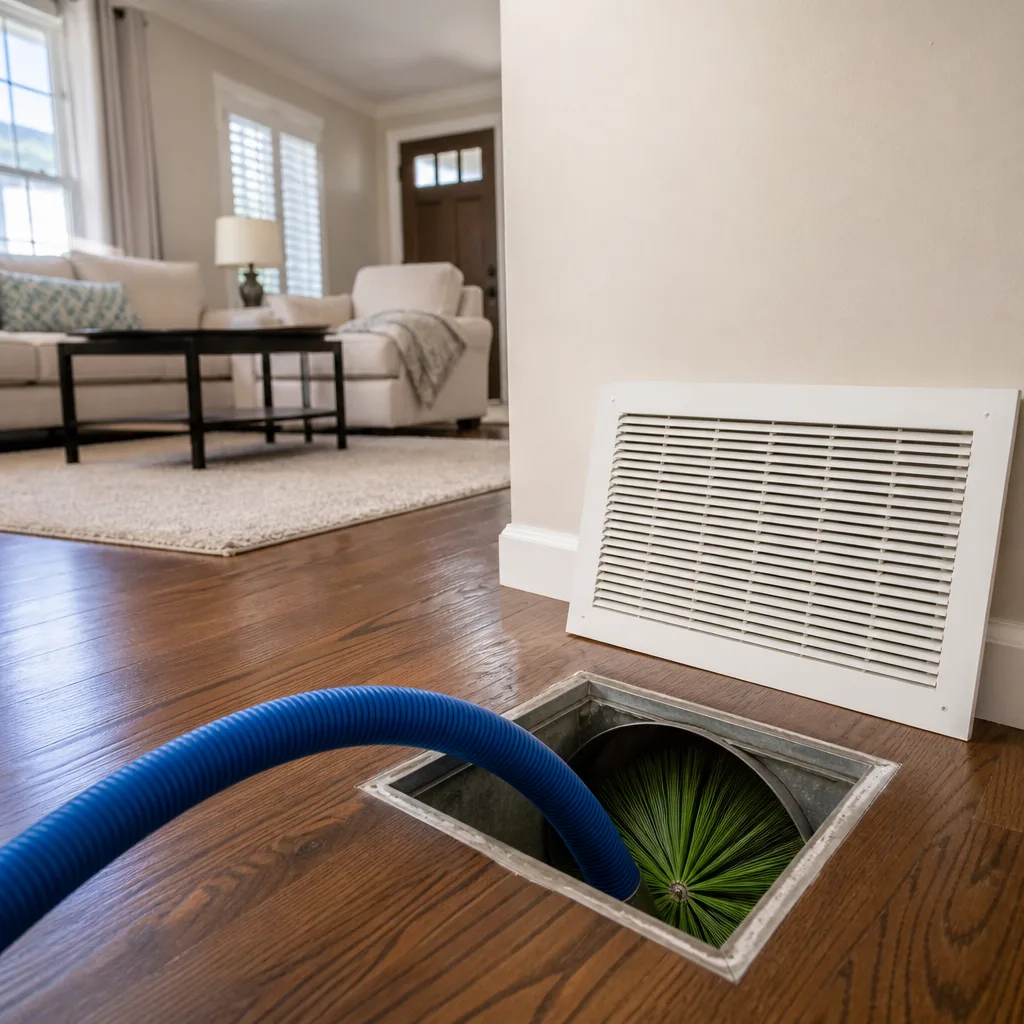
 Whole-home duct cleaning
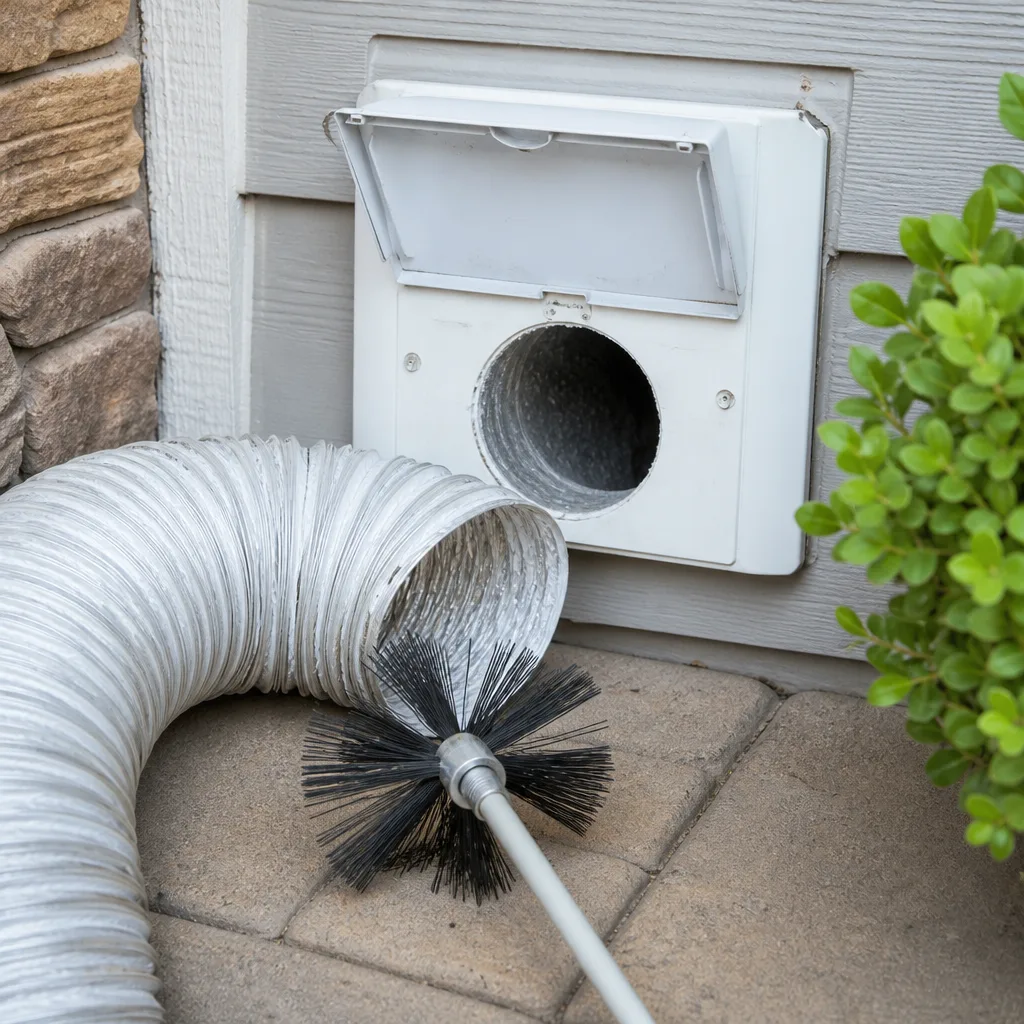 Dryer vent cleaning
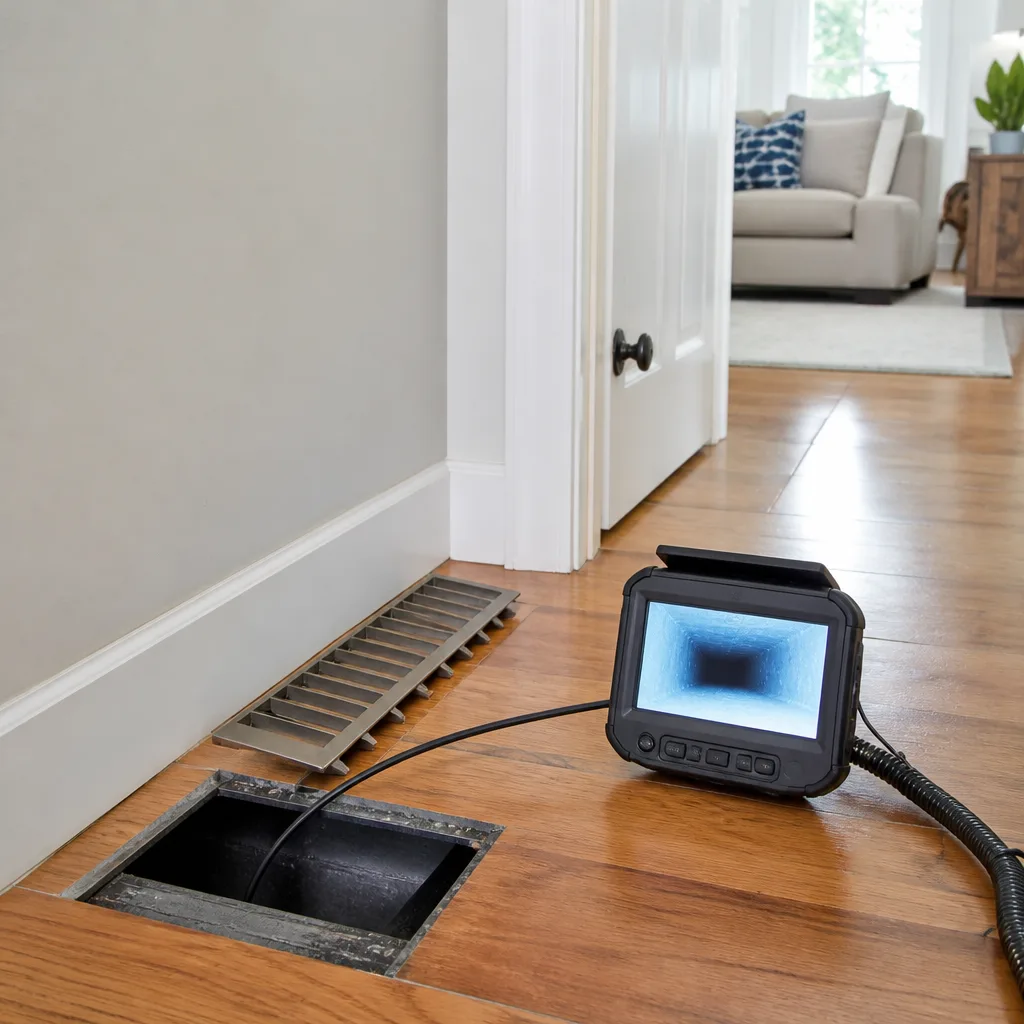 Camera inspection
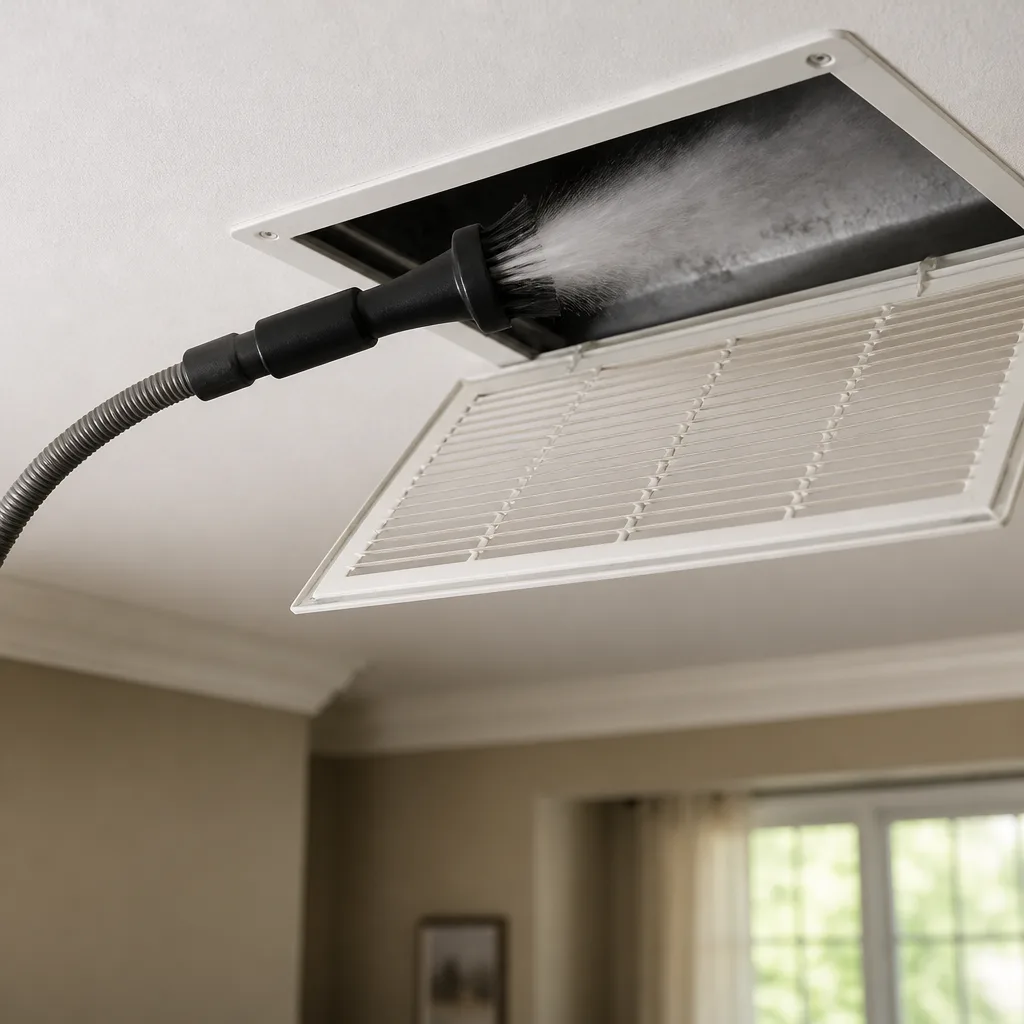 Sanitizing & deodorizing
Whole-system duct and dryer vent check with before-and-after photos - you see exactly what came out of your vents
That "$99 whole-house special" is a bait ad - the real number appears once they are in your hallway, or the "clean" is a shop-vac at the register. We photograph the inside of your ducts before and after instead.
Nikro Vent Sanitizing: The Houston Owner’s Guide
If your Nikro vent sanitizing system isn’t producing fog, is leaking solution, or won’t hold pressure, we stock and install compatible replacement parts across Houston, with typical installed repair costs running $145 – $385 depending on the failed component. We keep the most common Nikro replacement parts on our service trucks, so most Houston appointments get diagnosed and repaired in a single visit. The part that usually fails first is the solution delivery line or the misting nozzle assembly; what you’ll typically notice is a weak or sputtering fog output, a puddle of sanitizing solution under the unit, or the distinct sweet-chemical smell of the solution when the machine is off.
We’re an independent service provider, not affiliated with Nikro. But we’ve been repairing and maintaining Nikro equipment in Houston homes since 2005, and we know which parts fail, which ones last, and which aftermarket equivalents are worth your money.
Which Nikro Models This Applies To
Most Nikro vent sanitizing systems we see in Houston fall into two families: the portable fogger units (commonly used for coil and duct sanitizing) and the inline whole-house sanitizing systems installed at the air handler. The portable units use a 1/4-inch or 3/8-inch solution feed line with quick-connect fittings, while the inline systems use rigid tubing and a different nozzle thread pattern. That fitting size difference catches people out more than anything else: a 1/4-inch line and a 3/8-inch line look nearly identical in a photo, but they will not interchange.
To identify your unit, look for the model plate on the back or underside of the housing. The model number usually starts with a letter prefix followed by three or four digits. Take a photo of that plate before you call or email, and if you can, measure the outside diameter of the solution line with a ruler. That one measurement saves us both a wasted trip.
On the OEM versus aftermarket question: Nikro’s own replacement parts are well made, but some consumables like filters, O-rings, and check valves have quality aftermarket equivalents that cost 30 – 50% less and hold up fine in Houston’s humidity. For pump assemblies and electrical components, we recommend staying with OEM Nikro parts. The tolerances are tighter, and in our experience the aftermarket pump seals don’t last through a Houston summer.
Styles & brands we work with
Signs Your Nikro Vent Sanitizing Is Failing
- Weak or sputtering fog output. This usually points to a clogged nozzle or a failing pump diaphragm. In Houston, mineral buildup from our hard water accelerates nozzle clogging, especially if the unit sits unused between seasonal cleanings.
- Solution leaking from the base or fittings. The O-rings and quick-connect seals dry out and crack over time, particularly in attic installations where Houston summers push temperatures past 130°F. A slow leak leaves a telltale stain on the unit or the platform it sits on.
- The pump runs but no solution moves. A cracked pickup tube or a stuck check valve is the most common cause. We see this on units that sat with sanitizing solution in the lines during mild Houston winters, when owners skip the end-of-season flush.
- Solution smell when the machine is off. This means a seal has failed somewhere between the reservoir and the pump. The leak may be too small to see, but the smell doesn’t lie.
- Circuit breaker trips when the unit starts. This is almost always the pump motor drawing too much current, either from a failing start capacitor or debris binding the impeller. This one deserves a professional look rather than a reset-and-retry.
See the difference
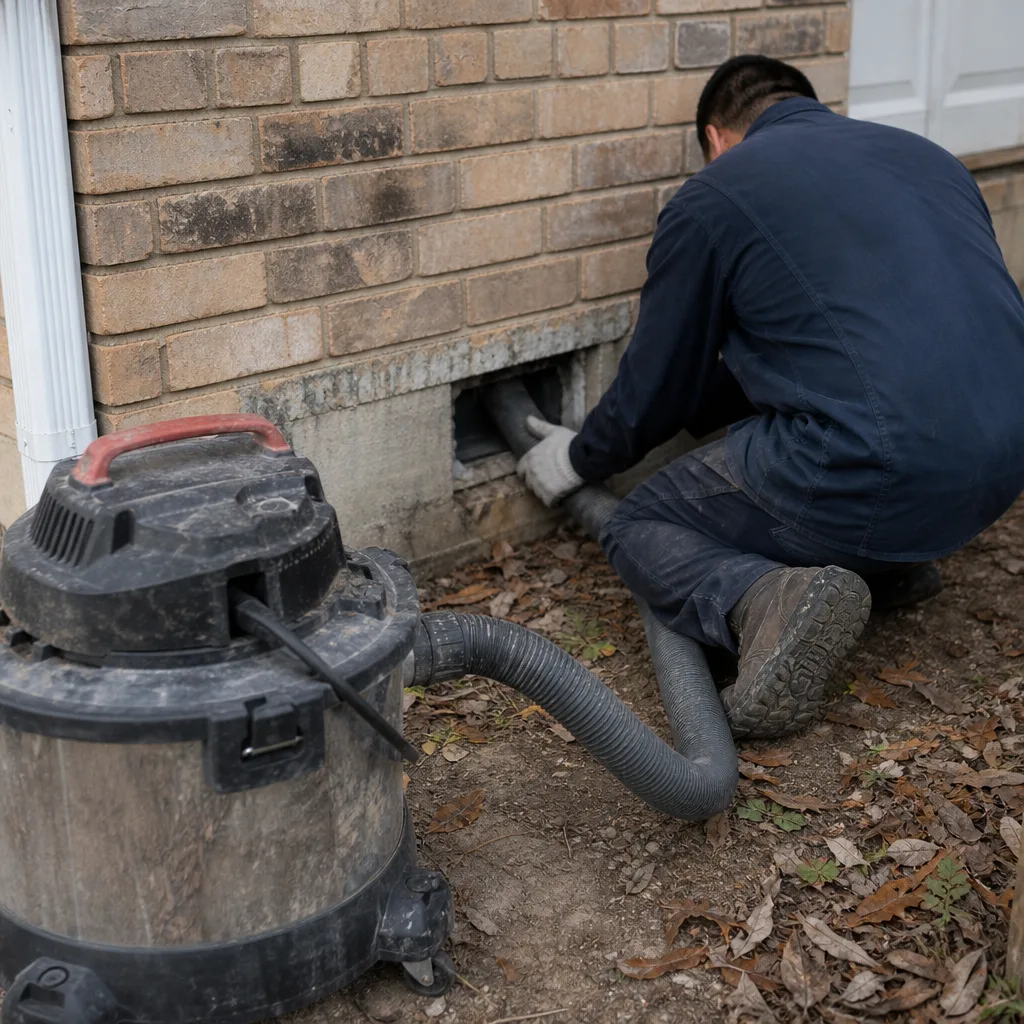 Before
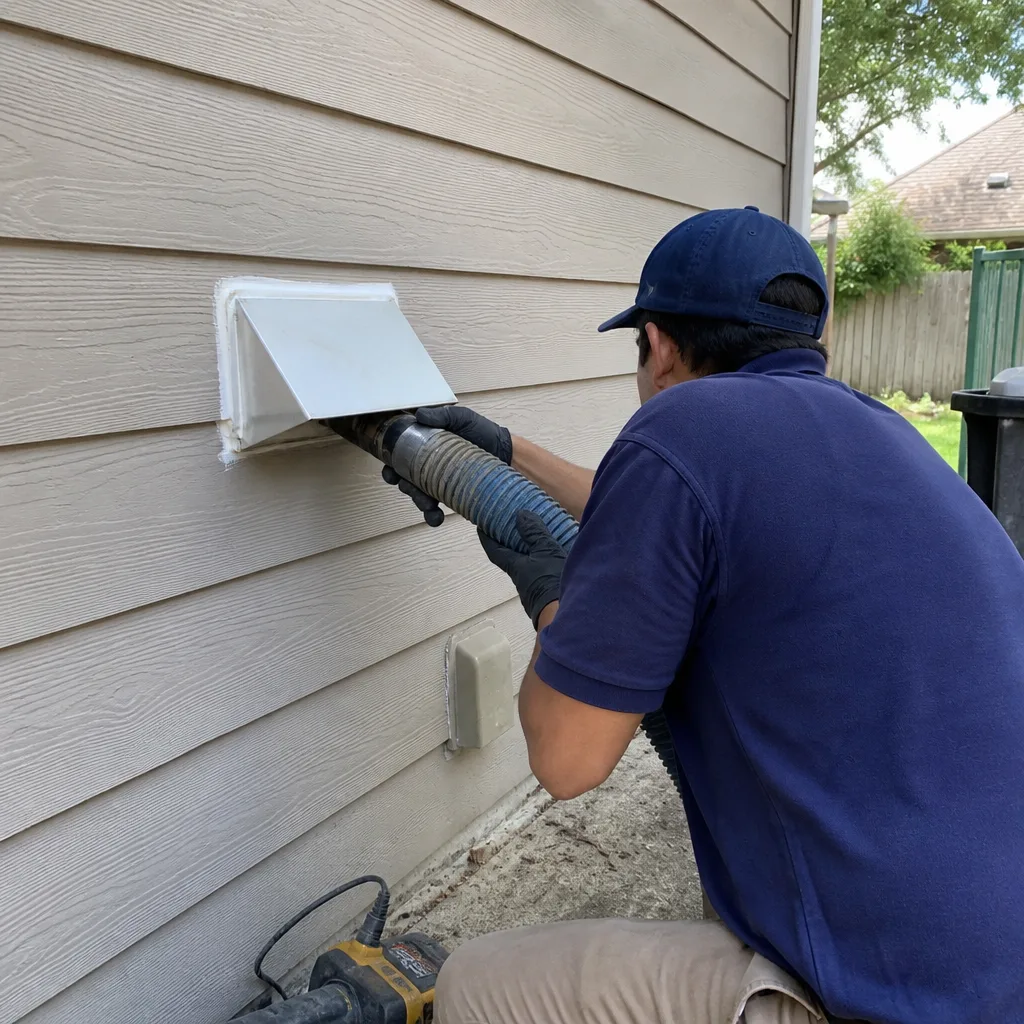 After
After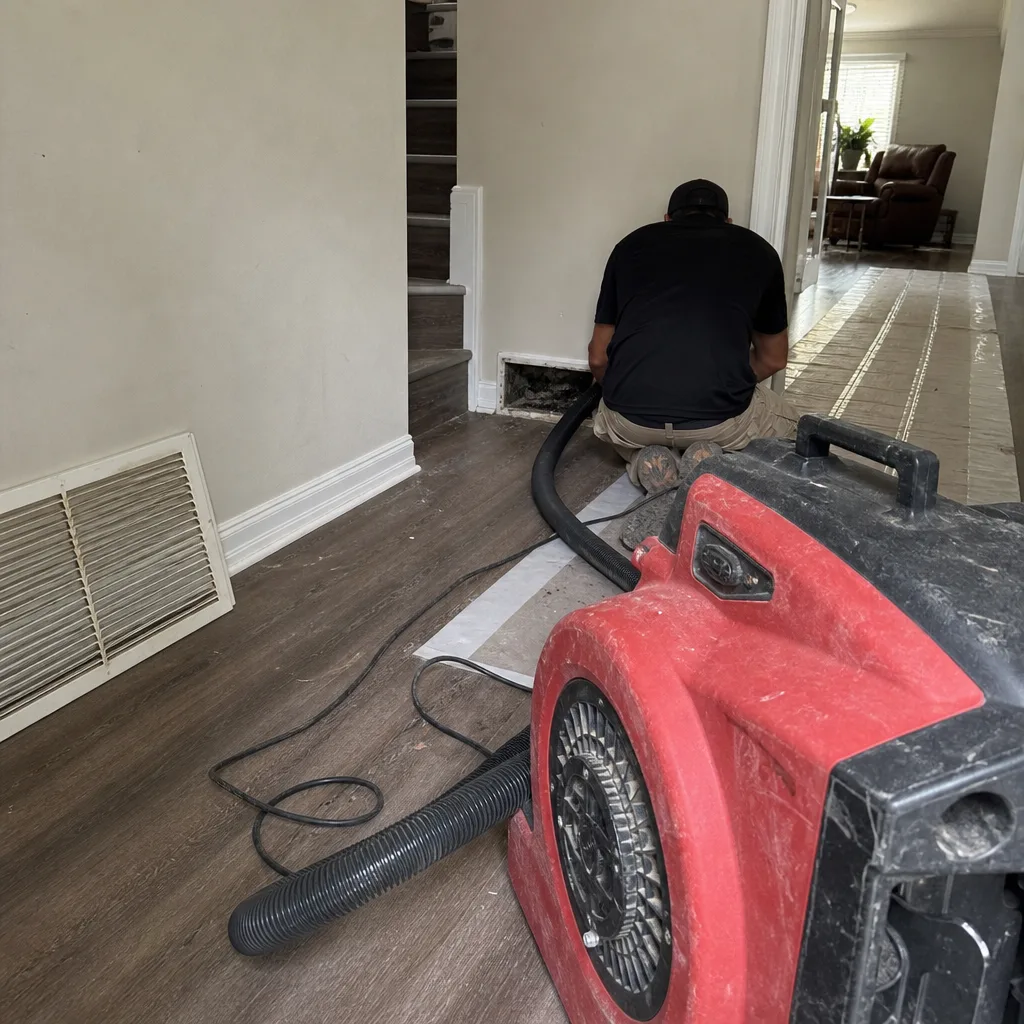 Before
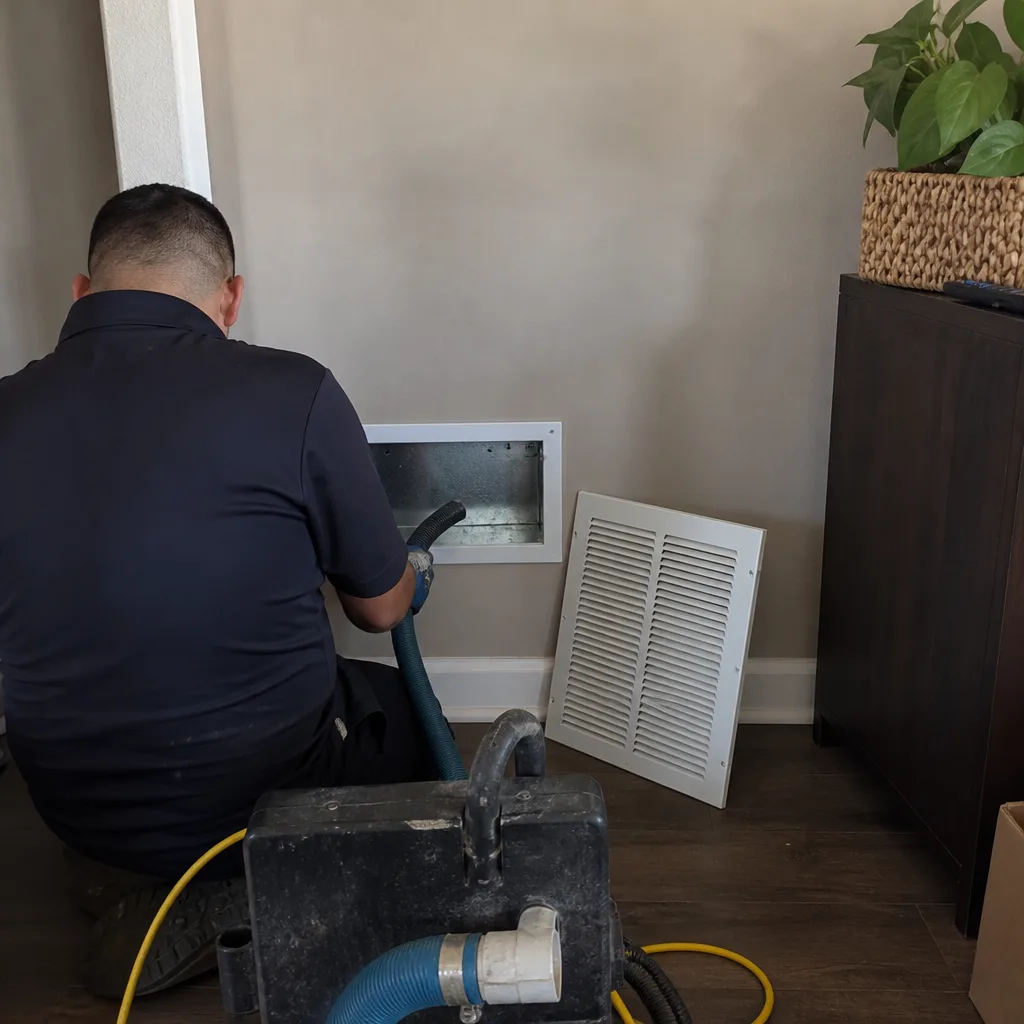 After
After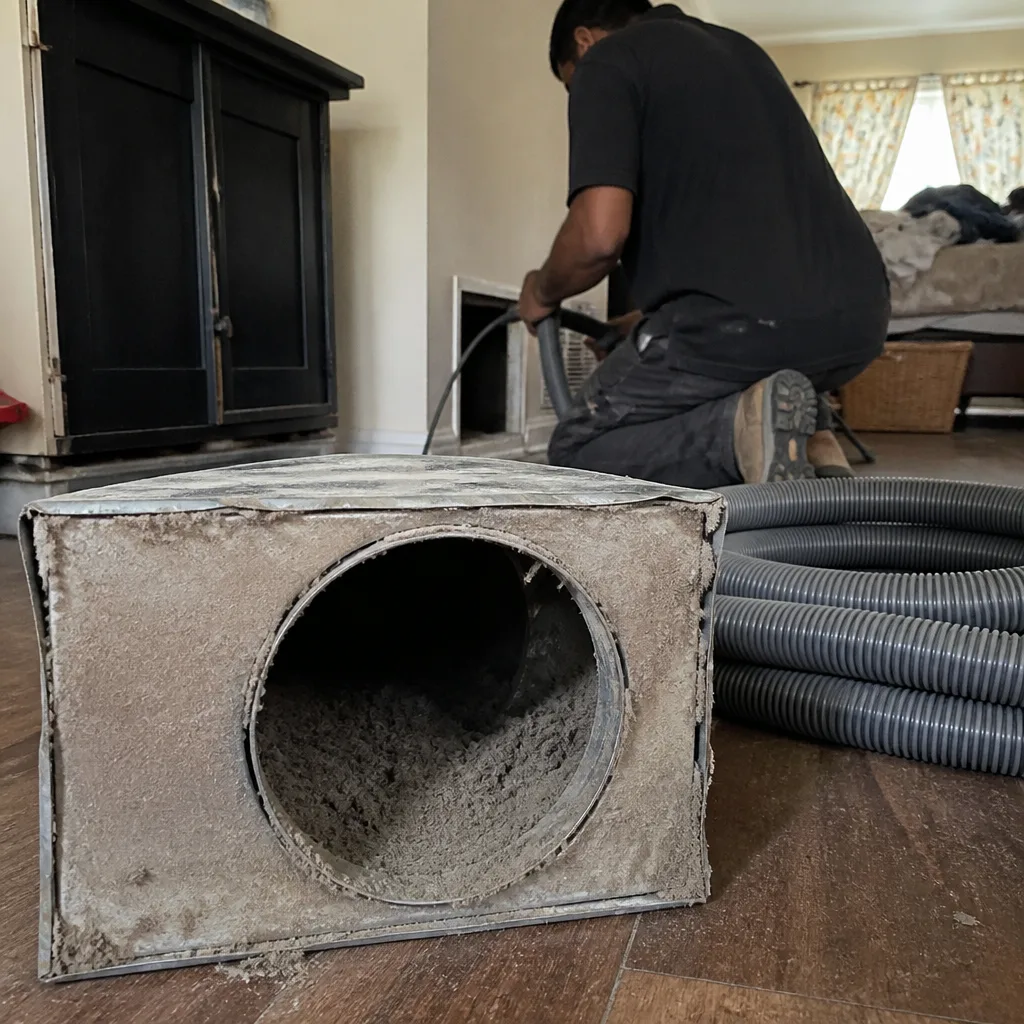 Before
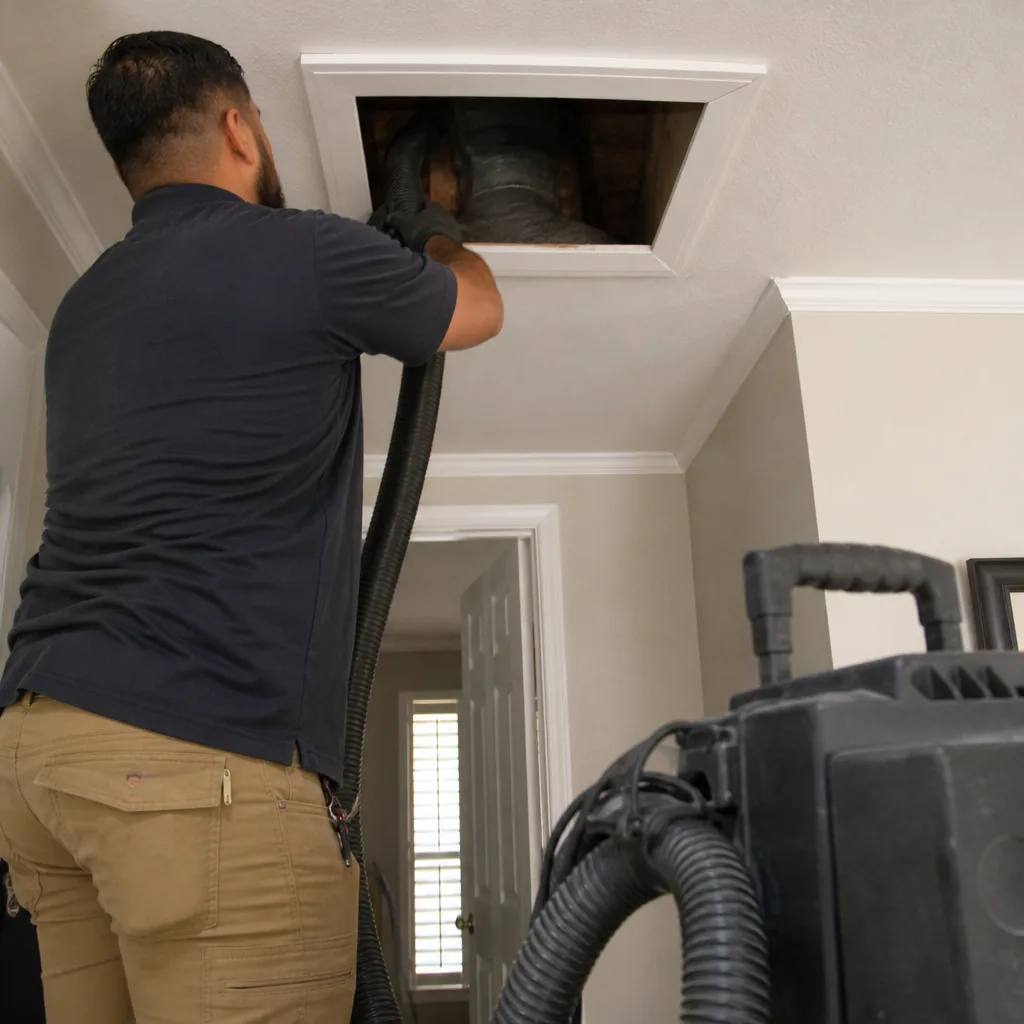 After
AfterReplacement Cost & What’s Included
In Houston, a Nikro vent sanitizing repair with us runs between $145 and $385 installed, and the range depends almost entirely on which part failed. Here’s the honest breakdown:
- O-rings, check valves, quick-connect seals: $145 – $195 installed. Parts are inexpensive; most of the cost is the service call and the time to disassemble and reseat the fittings properly.
- Solution delivery line or pickup tube replacement: $165 – $245 installed. The line itself is cheap; the labor involves routing and securing it so it doesn’t kink or rub against the housing.
- Replacement misting nozzle assembly: $195 – $285 installed. We match the nozzle orifice size to your unit’s rated output rather than guessing.
- Pump module or motor replacement: $285 – $385 installed. This is the big one. We use OEM Nikro pump assemblies for these, and we’ll show you the failed pump before we install the replacement.
Every quote we give in Houston is a written flat price agreed to before we open the unit. That number includes the part, the labor, cleanup, and the disposal of the failed component. The work is covered by our 365-Day Done Right Promise: if the repair doesn’t hold, we come back and make it right at no charge. And like every job we do, our techs wear shoe covers, lay down drop cloths, and take a photo of the clean-up before they leave.
DIY or Call Us?
There are a few things a Houston owner can safely check before calling. Confirm the unit is plugged in and the outlet works. Check the reservoir for solution level. Look for obvious cracks in the solution line or a loose fitting at the reservoir. Those three checks will solve maybe one in ten problems, and they cost you nothing.
Beyond that, we’d recommend calling us at (940) 314-5008. The pump assembly and the electrical side of these units carry enough current that a wrong move turns a simple seal replacement into a shock hazard. The sanitizing solutions themselves are chemical agents designed to kill microbial growth; opening a pressurized line without knowing where the residual pressure sits is not a place for guesswork. Paul Adeyemi has been repairing these units across Houston for the better part of two decades, and he’ll tell you what he sees, what it’ll take, and what it’ll cost before he touches a thing.
FAQs
Most Nikro vent sanitizing systems in Houston last 8 – 12 years before needing a major component replaced, but consumables like O-rings, check valves, and nozzles typically need attention every 2 – 3 years. Houston’s heat and humidity accelerate seal wear, so attics shorten that timeline. Call us at (940) 314-5008 and we’ll give you an honest read on whether your unit is worth repairing.
Sometimes, but usually not. We can clean and reseat a clogged nozzle, and a partially stuck check valve can occasionally be flushed back into service. Once a seal cracks or a pump diaphragm tears, repair is false economy; the replacement will fail again within months. We’ll show you the failed part and tell you straight whether repair is worth it.
Most Nikro vent sanitizing repairs in Houston are completed in 60 – 90 minutes from the time we walk in the door. Pump assembly replacements run closer to two hours because the unit has to be dismounted, opened, and reassembled. Since we stock the common parts on our trucks, it’s usually one visit.
Yes. We stock O-rings, check valves, solution lines, nozzles, and pump assemblies for the most common Nikro models on our Houston service trucks. For unusual or older units we can typically have the part within a few business days. We also carry parts for Lennox, Trane, and Carrier systems when we’re on a job and spot something else that needs attention.
Written by Paul Adeyemi, Owner, Mortons Air Duct Houston at Mortons Air Duct Houston, serving Houston and nearby areas.